
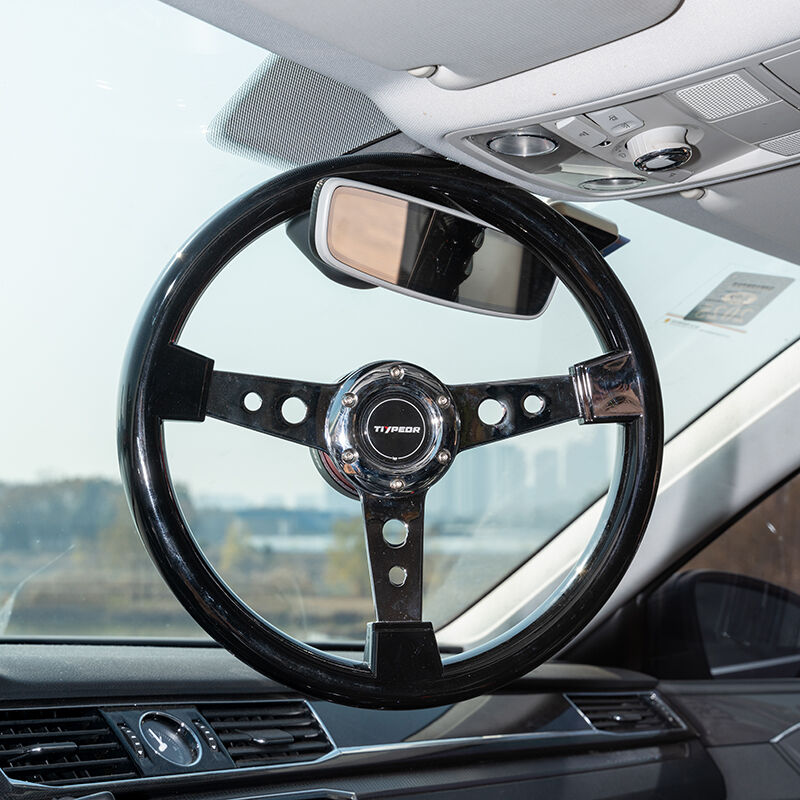
لقد تطورت تكنولوجيا عجلات القيادة الرياضية تطورًا كبيرًا في عام 2026، لتوفير مستويات غير مسبوقة من الدقة والتحكم، والتي تنعكس مباشرةً في تقليل أوقات الدورات. ويكتشف سائقو السباقات المعاصرون وهواة المحاكاة الرياضية على حدٍ سواء أن الترقية من أنظمة التوجيه القياسية إلى تكوينات متخصصة لعجلات القيادة الرياضية يمكن أن تقلل من أوقات الدورات بمقدار ٠٫٥ إلى ٢٫٣ ثانية لكل دائرة، وذلك وفقًا لتعقيد المسار ومستوى مهارة السائق.

تنبع المكاسب الأدائية المحقَّقة من خلال تصاميم عجلات القيادة الرياضية المُحسَّنة من عوامل هندسية متعددة تعمل بشكل تكاملي لتعزيز ردود فعل السائق، وتقليل زمن التأخير في الإدخال، وتحسين دقة الانعطاف. وبذلك فإن فهم هذه الآليات أمرٌ جوهريٌّ لأي سائق جاد يسعى لاستخلاص أقصى أداءٍ ممكنٍ من مركبته أو إعداد محاكاة القيادة الخاص به في عام 2026.
دقة محسَّنة من خلال تقليل نسبة التوجيه
خصائص استجابة الإدخال المباشر
عادةً ما يتميَّز عجلة القيادة الخاصة بالسباقات عالية الجودة بنسبة توجيه منخفضة مقارنةً بعجلات القيادة القياسية المستخدمة في السيارات العادية، أي أن حركات التوجيه الصغيرة تُترجم إلى تغييرات اتجاهية أكثر فورية. وتتيح هذه الدقة المحسَّنة للسائقين إجراء تعديلات دقيقة جدًّا أثناء المنعطفات ذات السرعة العالية، وهي تعديلات يتعذَّر تنفيذها باستخدام أنظمة التوجيه التقليدية. كما أن الاستجابة المحسَّنة تمكن السائقين من الحفاظ على أفضل خط سباق عبر الأقسام الفنية، حيث قد تؤدي أدنى الانحرافات إلى خسارة أعشار الثواني القيِّمة في كل لفة.
كما أن الميزة الميكانيكية التي توفرها هندسة عجلة القيادة المستخدمة في سباقات السيارات تقلل أيضًا من الجهد البدني المطلوب لإدخال أوامر دقيقة خلال جلسات السباق الطويلة. ويكتسب هذا التقليل في إرهاق السائق أهمية متزايدة خلال السباقات الأطول أو جلسات التدريب، حيث يعتمد الحفاظ على أزمنة الدورات المتسقة اعتمادًا كبيرًا على قدرة السائق على تنفيذ أوامر التوجيه الدقيقة دون أي إجهاد بدني.
تحسين دقة الدخول إلى المنعطفات
ويُعَدُّ الدخول إلى المنعطفات إحدى أكثر المراحل حساسيةً التي تُظهر فيها عجلة القيادة المستخدمة في السباقات تحسُّنًا ملموسًا في زمن الدورة الواحدة. وتسمح خصائص التغذية الراجعة المحسَّنة للسائقين بإدراك اللحظة الدقيقة التي تبدأ فيها الإطارات الأمامية بالاقتراب من حدود التماسك الخاص بها، مما يمكِّن من تأجيل نقاط الفرملة وزيادة سرعة الدخول إلى المنعطفات بشكل أكثر عدوانية. وعادةً ما يؤدي هذا الارتفاع في الحساسية تجاه ديناميكيات المركبة إلى تحسُّن يتراوح بين ٠٫٢ و٠٫٨ ثانية في زمن الدورة الواحدة على المسارات التي تحتوي على عددٍ كبيرٍ من المنعطفات التقنية.
تُظهر تحليلات بيانات السباقات الاحترافية من موسم 2026 أنَّ السائقين الذين يستخدمون إعدادات عجلة القيادة التنافسية المُحسَّنة يحققون باستمرار سرعات أعلى عند دخول المنعطفات، مع الحفاظ على تحكُّمٍ أفضل في المركبة خلال مرحلة القمة (النقطة العليا للمنعطف). ويُمكِّن التغذية الراجعة اللمسية المحسَّنة القيادة بثقة أكبر عند الحدود القصوى لالتصاق الإطارات، حيث تُحدَّد غالبًا الفروق في الأداء على مستوى البطولات.
تكامل متقدم للتغذية الراجعة بالقوة
التواصل الفوري بمستوى التصاق الإطارات
تضم أنظمة عجلات القيادة التنافسية الحديثة لعام 2026 آليات متطوِّرة للتغذية الراجعة بالقوة، التي تنقل مستويات التصاق الإطارات مباشرةً إلى أيدي السائق. وتتيح هذه المعلومات الفورية للسائقين تحديد التوازن الأمثل بين السرعة والتحكم، لا سيما في ظل الظروف الجوية المتغيرة أو ارتفاع درجة حرارة سطح الحلبة. ويشكِّل الشعور بالتغيرات الدقيقة في التصاق الإطارات قبل أن تصبح المؤشرات البصرية أو السمعية واضحةً ميزة تنافسية كبيرة.
الـ عجلة القيادة السباقية كما تساعد أنظمة التغذية الراجعة للقوة السائقين على الحفاظ على أداءٍ متسقٍ عبر ظروف المضمار المتغيرة. وعندما تتغير مستويات التماسك بسبب تراكم المطاط أو تقلبات درجة الحرارة أو التحوّلات الجوية، فإن التغذية الراجعة المُحسَّنة تتيح إجراء تعديلات فورية على أسلوب القيادة، مما يمنع تدهور زمن الدورة الواحدة الذي كان سيحدث خلاف ذلك مع أنظمة التوجيه القياسية.
كشف انتقال حمل التعليق
توفر تقنيات عجلة القيادة التنافسية المتقدمة معلومات تفصيلية للسائقين حول ديناميكيات انتقال حمل نظام التعليق أثناء مراحل التسارع والكبح والانعطاف. ويسمح هذا الوعي المُعزَّز بتعديل أكثر دقة لدواسة الوقود ودواسة الفرامل، لا سيما أثناء تركيبات المنعطفات المعقدة التي يؤثر فيها إدارة انتقال الوزن تأثيراً مباشراً على أزمنة الدورات الواحدة. ويُبلغ السائقون عن قدرتهم على اكتشاف ميول الانزلاق الأمامي (understeer) أو الانزلاق الخلفي (oversteer) قبل ٠,٣ إلى ٠,٥ ثانية مقارنةً بأنظمة التوجيه التقليدية.
تتيح القدرة على إدراك سلوك نظام التعليق من خلال عجلة القيادة الرياضية إجراء تعديلات استباقية على أسلوب القيادة، بدلًا من التعديلات التصحيحية الاستجابة. وتكتسب هذه القدرة التنبؤية أهميةً خاصةً خلال جلسات التأهيل، حيث تتطلب الأداء في الجولة الواحدة أقصى درجات الالتزام مع الحفاظ على تحكمٍ دقيقٍ بالمركبة خلال كل تسلسل من المنعطفات.
أثر التصميم المريح على أداء السائق
انخفاض الإرهاق الجسدي أثناء الجلسات الطويلة
تلعب عجلة القيادة الرياضية ذات التصميم المريح دورًا محوريًّا في الحفاظ على ثبات أزمنة الجولات طوال جلسات السباق الممتدة. فتساعد القطر الأمثل لمقبض العجلة، وترتيب الأزرار، والهندسة العامة للعجلة في تقليل إرهاق اليدين والذراعين الذي يميل إلى التراكم عادةً خلال جلسات التمرين الطويلة أو سباقات التحمل. وتشير الدراسات المستندة إلى بيانات سباقات عام ٢٠٢٦ إلى أن السائقين الذين يستخدمون أنظمة عجلات قيادة رياضية مُهيَّأة بشكل مناسب يحافظون على ثبات أزمنة جولاتهم ضمن هامش ٠٫٣ ثانية في الجلسات التي تتجاوز ساعتين، مقارنةً بتباينٍ قدره ١٫٢ ثانية مع المعدات القياسية.
يقلل التموضع الاستراتيجي لأزرار التحكم ومقابض تغيير السرعات (Paddle Shifters) في تصاميم عجلات القيادة الحديثة الخاصة بالسباقات من حركة اليدين المطلوبة لتغيير التروس أو ضبط الأنظمة. وتتيح هذه الكفاءة للسائقين الحفاظ على وضعية القبضة المثلى طوال سلسلة المنعطفات، ما يلغي الخسائر الزمنية الصغيرة لكن المتراكمة الناتجة عن إعادة ترتيب اليدين أثناء اللحظات الحرجة في السباق.
سهولة الوصول إلى سطح التحكم المُحسَّن
تضع تخطيطات عجلات القيادة التنافسية المعاصرة أزرار التحكم الأساسية ضمن متناول الإبهامين وأطراف الأصابع دون الحاجة لتغيير قبضة اليد أثناء التشغيل. ويكتسب هذا التيسّر أهميةً بالغةً في السباقات متعددة الفئات أو على الحلبات ذات التكوينات المعقدة، حيث يتعيّن على السائقين ضبط إعدادات توازن المكابح أو التفاضلية أو تحكم الجر بشكل متكرر مع الحفاظ على السرعة التنافسية خلال الأقسام التقنية من الحلبة.
توفر أنظمة عجلات القيادة الخاصة بالسباقات، المصممة تصميماً جيداً، سهولةً أكبر في التحكم، مما يمكن السائقين من إجراء تعديلات فورية على إعدادات المركبة أثناء السباق، ما يؤدي إلى تحسين أزمنة الدورات بشكل مباشر. ويُبلغ السائقون المحترفون عن تحقيق مكاسب تتراوح بين ٠٫١ و٠٫٤ ثانية لكل دورة عبر تحسين إعدادات المركبة خلال جلسات التدريب باستخدام أزرار التحكم المتاحة على عجلة القيادة، وهي تعديلات يصعب تنفيذها أو قد تكون غير آمنة عند استخدام ترتيبات عجلات القيادة التقليدية.
فوائد التكامل الإلكتروني وجمع البيانات
مراقبة الأداء في الوقت الحقيقي
تتكامل أنظمة عجلات القيادة الحديثة الخاصة بالسباقات بسلاسة مع أنظمة جمع بيانات المركبة، ما يمنح السائقين إمكانية الوصول الفوري إلى مقاييس الأداء الحرجة أثناء جلسات السباق. وبفضل القدرة على مراقبة درجات حرارة الإطارات واستهلاك الوقود وأزمنة القطاعات لكل دورة ومعلومات الفجوة مباشرةً عبر شاشة عجلة القيادة الخاصة بالسباق، يمكن اتخاذ قرارات استراتيجية تُحسّن الأداء العام في السباق بما يتجاوز مجرد تحسين أزمنة الدورات.
يسمح دمج أنظمة القياس عن بُعد مع واجهات عجلات القيادة المستخدمة في سباقات السيارات للسائقين بتحديد نقاط الضعف المحددة في المنعطفات أو القطاعات فور حدوثها، بدلًا من الانتظار حتى تحليل البيانات بعد انتهاء الجلسة. وتتيح هذه القدرة على إعطاء التغذية الراجعة الفورية إجراء تعديلات على أسلوب القيادة أثناء الجلسة نفسها، مما قد يؤدي إلى تحسين ملموس في زمن الدورة الواحدة قبل انتهاء الجلسة، وبالتالي تحقيق أقصى استفادة ممكنة من الوقت المحدود المخصص للقيادة على الحلبة.
تكوين العرض القابل للتخصيص
تقدم أنظمة عجلات القيادة المتقدمة المستخدمة في سباقات السيارات لعام ٢٠٢٦ تشكيلات عرض قابلة للتخصيص بشكل كبير، يمكن تحسينها بما يتناسب مع حلبات معينة أو ظروف الطقس أو استراتيجيات السباق. وبما أن بإمكان هذه الأنظمة إعطاء الأولوية لمجموعات مختلفة من المعلومات وفقًا لخصائص الحلبة، فإن السائقين يتلقون بذلك أكثر البيانات صلةً بكل موقف سباق، مما يقلل العبء المعرفي الملقى عليهم مع الحفاظ على إمكانية الوصول إلى المعلومات الحرجة التي تؤثر في الأداء.
تتجاوز إمكانيات التخصيص في شاشات عجلات القيادة الحديثة الخاصة بالسباقات لتصل إلى تفضيلات القيادة الفردية ومستويات الخبرة. ويمكن لسائقي السباق المبتدئين ضبط شاشات العرض المُبسَّطة التي تركز على مقاييس الأداء الأساسية، بينما يمكن لسائقي السباق ذوي الخبرة الوصول إلى مجموعات بيانات شاملة تدعم استراتيجيات السباق المتقدمة وتحسين إعدادات المركبة.
اعتبارات تكنولوجيا المواد والمتانة
مزايا التصنيع من ألياف الكربون
يوفِّر تصنيع عجلات القيادة الراقية الخاصة بالسباقات باستخدام مواد ألياف الكربون مزايا كبيرة من حيث خفض الوزن، وامتصاص الاهتزازات، والمتانة الطويلة الأمد في ظروف السباق. ويساهم انخفاض الكتلة الدورانية في تصاميم عجلات القيادة الخاصة بالسباقات المصنوعة من ألياف الكربون في تحسين استجابة التوجيه وتقليل إجهاد السائق أثناء جلسات السباق الطويلة، وهي عوامل ترتبط ارتباطًا مباشرًا بأداء زمن الدورة (اللفة) المستمر.
تساعد خصائص امتصاص الاهتزازات في مواد عجلات القيادة المتقدمة المستخدمة في سباقات السيارات على تصفية ضوضاء الطريق غير المرغوب فيها والاهتزازات الميكانيكية، مع الحفاظ في الوقت نفسه على المعلومات التغذوية الأساسية المتعلقة بالتماسك الإطاراتي وسلوك نظام التعليق. ويُمكِّن هذا الترشيح الانتقائي السائقين من التركيز على التغذية الراجعة ذات الصلة بالأداء، مع تقليل الإجهاد الجسدي الناتج عن الظروف القاسية على الحلبة أو إعدادات المركبة العدوانية.
المقاومة الحرارية وثبات القبضة
تحافظ مواد عجلات القيادة الخاصة بالسباقات المصمَّمة لتطبيقات عام ٢٠٢٦ على خصائص القبضة المتسقة عبر نطاق واسع من درجات الحرارة، مما يضمن أداءً موثوقًا به في ظل ظروف الطقس المتغيرة أو جلسات السباق الطويلة. كما أن الاستقرار الحراري للمواد الحديثة المستخدمة في أسطح القبضة يمنع تدهور التغذية الراجعة اللمسية التي قد تحدث مع أسطح عجلات القيادة التقليدية في ظروف السباق القصوى.
تتيح أداء القبضة المتسق الذي توفره مواد عجلة القيادة الخاصة بالسباقات المتقدمة للسائقين الحفاظ على إدخالات تحكم دقيقة طوال جلسات السباق بأكملها، مما يلغي التفاوت في قوة القبضة الذي قد يؤدي إلى تدهور أزمنة الدورات تدريجيًّا مع تغير درجات حرارة السطح أثناء الاستخدام المطوَّل لمسار السباق.
الأسئلة الشائعة
ما التحسينات المحددة في زمن الدورة التي يمكنني توقعها عند الترقية إلى عجلة قيادة رياضية؟
تتراوح التحسينات النموذجية في زمن الدورة الناتجة عن استخدام عجلة قيادة رياضية عالية الجودة بين ٠٫٥ و٢٫٣ ثانية لكل دورة، وذلك حسب تعقيد المسار ومستوى مهارة السائق والنظام التوجيهي المُستبدل. وعادةً ما تظهر التحسينات الأكبر في المسارات التقنية التي تتضمَّن تغييرات اتجاه متعددة، بينما قد تظهر مكاسب أكثر اعتدالًا على مضامير السرعة العالية البيضاوية الشكل. وتكون هذه التحسينات أكثر وضوحًا خلال فترة التكيُّف الأولية، حيث يتعلَّم السائقون كيفية الاستفادة من التغذية الراجعة المحسَّنة وقدرات الدقة المُعزَّزة.
كيف تؤثر عجلة القيادة الرياضية في توجُّه المركبة خلال ظروف الطقس المختلفة؟
توفر عجلة القيادة الخاصة بالسباقات تغذيةً راجعةً محسَّنةً تكتسب أهميةً خاصةً في ظروف الطقس المتغيرة، مما يمكِّن السائقين من اكتشاف التغيرات في مستوى التماسك مبكرًا وتعديل أسلوب القيادة وفقًا لذلك. وتساعد الاتصال الحسي المحسن على الحفاظ على أزمنة الدورات المتسقة أثناء الانتقال من الظروف الماطرة إلى الجافة أو عند تقلُّب درجات حرارة الحلبة طوال الجلسة. ويُبلغ معظم السائقين عن قدرتهم على الحفاظ على أزمنة دوراتهم الجافة ضمن نطاق ١–٢ ثانية في الظروف الماطرة عند استخدام نظام عجلة قيادة رياضية عالي الجودة.
هل عجلات القيادة الخاصة بالسباقات مفيدةٌ في كلٍّ من تطبيقات السباقات الاحترافية وسباقات المحاكاة؟
نعم، توفر تقنية عجلات القيادة الخاصة بالسباقات فوائد قابلة للقياس في كلٍّ من سباقات العالم الحقيقي والبيئات المحاكاة عالية الجودة. وتستفيد تطبيقات محاكاة السباقات (Sim Racing) بشكل خاص من التغذية الراجعة القوية المحسَّنة والخصائص الدقيقة لإدخال الأوامر، حيث يستخدم العديد من السائقين المحترفين إعدادات عجلات القيادة الخاصة بالسباقات نفسها لكلٍّ من المنافسات الفعلية والتدريب على أجهزة المحاكاة. وتساعد درجة الاتساق بين تجربة عجلة القيادة في السباقات الحقيقية والافتراضية السائقين على نقل المهارات ومعرفة إعدادات العجلة بين المنصتين.
ما متطلبات الصيانة التي ينبغي أن أضعها في الاعتبار لنظام عجلة قيادة خاصة بالسباقات؟
تتطلب أنظمة عجلات القيادة الخاصة بالسباقات صيانةً بسيطةً جدًّا تقتصر على التنظيف المنتظم والفحص الدوري للاتصالات الكهربائية وأجزاء التثبيت الميكانيكية. وصُمِّمت معظم الأنظمة عالية الجودة للاستخدام المطوَّل في ظروف السباقات، لكن من المهم فحص وظائف الأزرار وعمل مفاتيح التغيير الجانبية (Paddles) ووضوح العرض قبل كل جلسة سباق. وعادةً ما تقوم الفرق الاحترافية بإجراء فحوص شاملة للنظام كل ١٠–١٥ ساعة سباق لضمان الأداء الأمثل والموثوقية.
جدول المحتويات
- دقة محسَّنة من خلال تقليل نسبة التوجيه
- تكامل متقدم للتغذية الراجعة بالقوة
- أثر التصميم المريح على أداء السائق
- فوائد التكامل الإلكتروني وجمع البيانات
- اعتبارات تكنولوجيا المواد والمتانة
-
الأسئلة الشائعة
- ما التحسينات المحددة في زمن الدورة التي يمكنني توقعها عند الترقية إلى عجلة قيادة رياضية؟
- كيف تؤثر عجلة القيادة الرياضية في توجُّه المركبة خلال ظروف الطقس المختلفة؟
- هل عجلات القيادة الخاصة بالسباقات مفيدةٌ في كلٍّ من تطبيقات السباقات الاحترافية وسباقات المحاكاة؟
- ما متطلبات الصيانة التي ينبغي أن أضعها في الاعتبار لنظام عجلة قيادة خاصة بالسباقات؟