
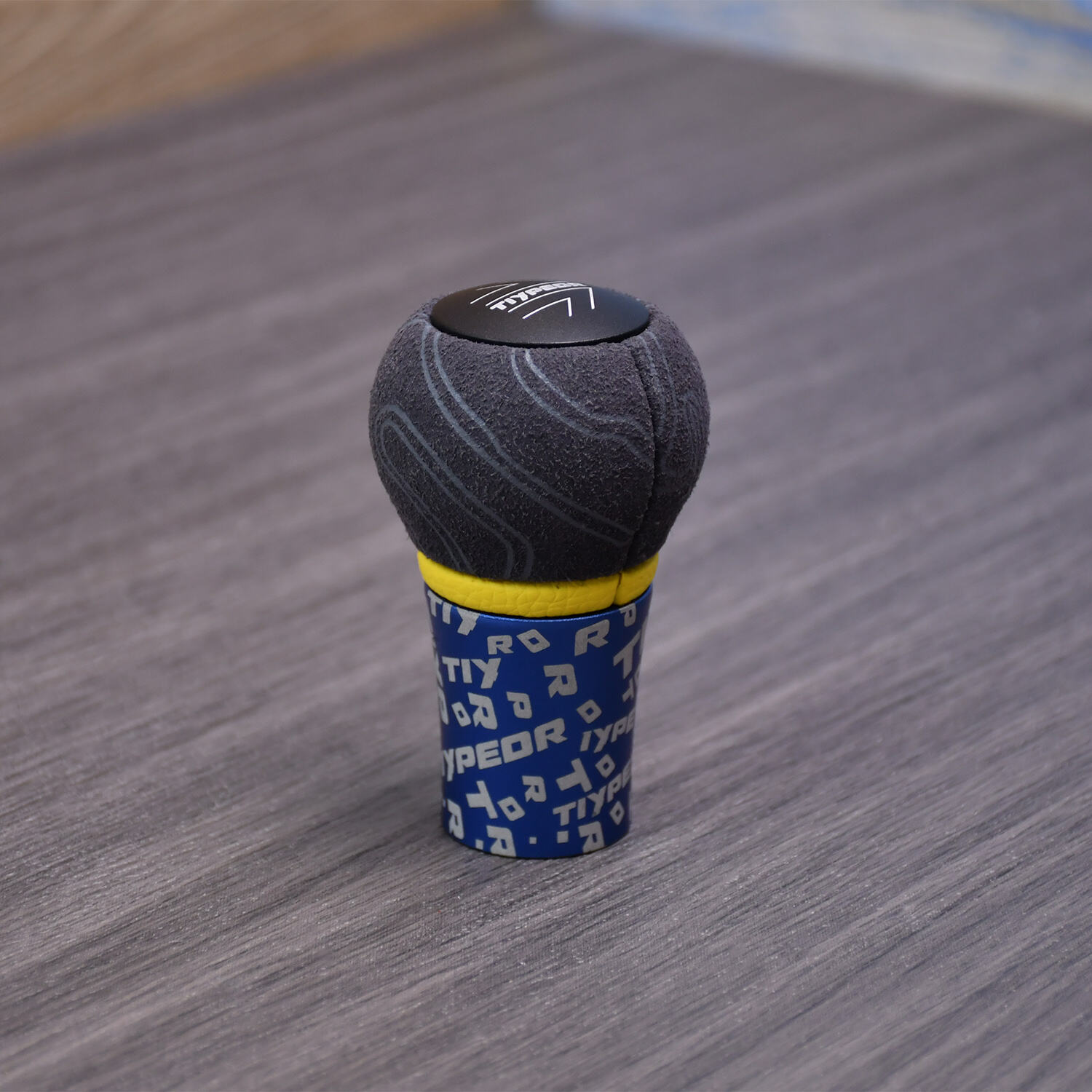
The shift knob represents one of the most frequently touched components in any manual transmission vehicle, serving as the crucial interface between driver and gearbox. Modern automotive enthusiasts and professionals alike recognize that selecting the appropriate shift knob significantly impacts both driving experience and vehicle aesthetics. Understanding the various types of shift knobs available in today's market enables informed decision-making for performance upgrades, comfort enhancements, and personalization projects.
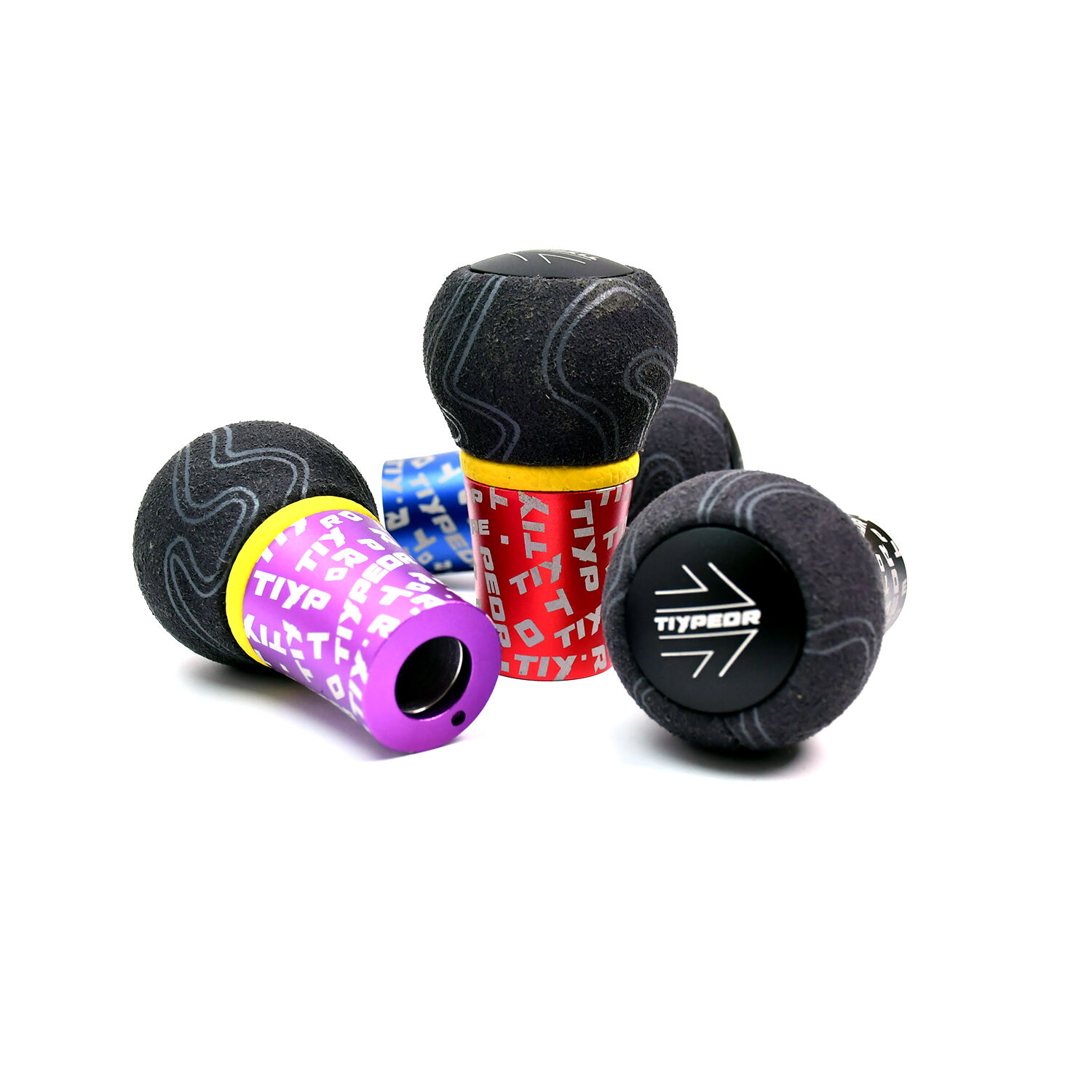
Contemporary automotive markets offer an extensive range of shift knob designs, materials, and configurations to accommodate diverse driving preferences and vehicle applications. From precision-engineered racing components to luxurious leather-wrapped options, each type serves specific functional and aesthetic purposes. The evolution of shift knob technology has progressed alongside transmission development, resulting in specialized designs optimized for different driving conditions and performance requirements.
Material Classifications and Performance Characteristics
Metal Construction Options
Metal shift knobs dominate the performance-oriented segment due to their exceptional durability and precise feel characteristics. Aluminum variants provide lightweight construction while maintaining structural integrity, making them popular choices for racing applications and weight-conscious builds. The machined aluminum construction allows for intricate designs and threading compatibility with various transmission systems.
Stainless steel options deliver superior longevity and resistance to wear patterns commonly associated with high-mileage vehicles. These robust components maintain consistent surface finish despite repeated use and exposure to automotive fluids. Steel construction also provides optimal weight distribution for improved shifting feel and tactile feedback during gear changes.
Titanium represents the premium tier of metal shift knobs, offering exceptional strength-to-weight ratios and corrosion resistance properties. Professional racing teams frequently specify titanium components for their combination of performance benefits and aesthetic appeal. The material's natural properties contribute to reduced heat transfer during extended driving sessions.
Composite and Synthetic Materials
Modern polymer shift knobs incorporate advanced engineering plastics designed to withstand automotive environments while providing comfortable grip surfaces. These materials offer design flexibility unavailable in traditional metal construction, enabling complex geometries and integrated features. Composite options frequently include reinforcement fibers for enhanced structural properties.
Carbon fiber shift knobs represent the intersection of performance and aesthetics, providing lightweight construction with distinctive visual characteristics. The material's directional strength properties align well with the operational stresses encountered in shifting applications. Manufacturing techniques allow for various weave patterns and surface finishes to complement interior design themes.
Urethane and rubber compounds find application in specialized shift knobs designed for specific grip requirements or environmental conditions. These materials excel in providing consistent tactile feel across temperature ranges and resist degradation from UV exposure and automotive chemicals. Custom formulations enable precise hardness specifications for different applications.
Ergonomic Design Variations
Spherical and Round Configurations
Traditional round shift knobs maintain popularity due to their universal comfort characteristics and compatibility with various hand sizes. The spherical geometry distributes contact pressure evenly across palm and finger surfaces, reducing fatigue during extended driving sessions. These designs accommodate both precision shifting techniques and casual driving styles effectively.
Ball-shaped variants offer consistent grip orientation regardless of hand position, making them suitable for drivers who prefer varied gripping techniques. The symmetrical design eliminates directional bias, allowing for intuitive operation without visual confirmation of knob positioning. Manufacturing tolerances in spherical designs directly impact perceived quality and operational smoothness.
Diameter selection significantly influences user experience, with smaller spheres providing enhanced precision for quick shifts while larger options deliver improved leverage for heavy-duty transmissions. Professional drivers often prefer specific diameter ranges based on their hand dimensions and shifting style preferences.
Pistol Grip and Anatomical Designs
Pistol grip configurations feature contoured surfaces designed to match natural hand positioning during shifting operations. These ergonomic profiles reduce wrist strain and provide enhanced control during aggressive driving maneuvers. The asymmetrical design requires proper orientation for optimal comfort and performance benefits.
Anatomical shift knobs incorporate finger indentations and palm contours based on ergonomic research and user feedback data. Advanced designs utilize computer modeling to optimize surface geometry for specific hand size ranges. These specialized shapes excel in competition environments where consistent grip positioning proves critical for performance.
Custom-molded options allow for personalized ergonomic optimization, though they require specialized manufacturing processes and higher investment costs. Professional racing teams sometimes commission bespoke designs tailored to individual driver preferences and physical characteristics.
Threading and Mounting Systems
Standard Thread Specifications
Metric threading dominates modern shift knob applications, with M10x1.25 and M12x1.25 representing the most common specifications across automotive manufacturers. These standardized dimensions ensure broad compatibility with aftermarket shift knobs and simplify replacement procedures. Thread pitch accuracy directly affects installation security and operational reliability.
Imperial threading systems remain prevalent in certain market segments, particularly domestic vehicle applications and vintage restoration projects. Common specifications include 3/8-16 and 7/16-20 configurations, though verification of specific vehicle requirements proves essential before component selection. Thread condition assessment should precede any shift knob installation to prevent damage or inadequate securing.
Adapter systems provide solutions for threading mismatches between desired shift knobs and existing gear lever specifications. Quality adapters maintain proper height relationships and ensure secure mounting without compromising operational feel. Professional installation may be required for complex adapter configurations or vehicles with integrated shift pattern indicators.
Quick-Release and Removable Systems
Quick-release mechanisms enable rapid shift knob removal for maintenance access or theft prevention in high-value applications. These systems typically incorporate spring-loaded locking mechanisms or threaded collar designs for tool-free operation. Security considerations may favor systems requiring specialized tools or techniques for removal.
Bayonet mounting provides another approach to removable shift knob installation, utilizing quarter-turn engagement similar to camera lens systems. This mounting style offers reliable securing with convenient removal characteristics. Proper alignment marks ensure consistent positioning and prevent operational issues.
Magnetic retention systems represent emerging technology in removable shift knob applications, though their suitability depends on transmission design and operational requirements. These innovative approaches require careful evaluation of magnetic field effects on nearby electronic components and sensors.
Specialized Applications and Performance Features
Racing and Competition Specifications
Competition shift knobs prioritize functional performance over aesthetic considerations, incorporating features designed to enhance shifting speed and precision under extreme conditions. Reduced mass specifications minimize rotational inertia effects that could impact transmission synchronizer operation during rapid gear changes. Professional racing applications often mandate specific weight ranges and dimensional constraints.
Temperature management becomes critical in racing environments, where extended high-performance operation generates significant heat transfer through the gear lever assembly. Specialized materials and surface treatments help maintain comfortable grip temperatures while preserving structural integrity. Some racing shift knobs incorporate heat barrier coatings or thermal isolation features.
Grip enhancement technologies find extensive application in competition shift knobs, including textured surfaces, grip tape provisions, and specialized coating systems. These features maintain consistent tactile feedback despite varying environmental conditions or driver equipment such as racing gloves. Durability requirements in racing applications exceed typical automotive standards significantly.
Luxury and Premium Comfort Features
Premium shift knobs emphasize comfort and aesthetic integration with vehicle interior themes. Leather wrapping provides traditional luxury appeal while offering temperature regulation and grip enhancement properties. Stitching patterns and leather selection significantly impact both appearance and tactile characteristics.
Wood grain inlays and exotic material applications cater to luxury market segments seeking distinctive appearance and natural material feel. Proper sealing and finishing techniques ensure durability in automotive environments while maintaining visual appeal over extended service life. These materials require specialized care and maintenance procedures.
Illuminated shift knobs incorporate LED lighting systems for enhanced visibility and aesthetic appeal in modern vehicle interiors. Integration with vehicle lighting systems enables synchronized operation with dashboard illumination and ambient lighting schemes. Power supply considerations and waterproofing requirements add complexity to illuminated designs.
Installation and Compatibility Considerations
Vehicle-Specific Requirements
Modern vehicles frequently incorporate electronic sensors and switches within shift lever assemblies, requiring careful compatibility assessment before aftermarket shift knob installation. These systems may include reverse lockout mechanisms, shift pattern indicators, or transmission control interfaces that affect knob selection and installation procedures.
Height considerations prove critical for maintaining proper ergonomics and avoiding interference with dashboard components or console designs. Some vehicles require specific knob heights to preserve intended shift gate geometry and operational feel. Measurement verification should precede component ordering to ensure satisfactory fit and function.
Weight distribution changes resulting from aftermarket shift knob installation may affect transmission operation, particularly in vehicles with sensitive synchronizer systems or lightweight gear lever assemblies. Professional assessment may be advisable for significant weight variations or high-performance applications.
Installation Procedures and Best Practices
Proper installation techniques ensure secure mounting and optimal performance from aftermarket shift knobs. Thread preparation, including cleaning and inspection, prevents installation issues and ensures reliable engagement. Thread-locking compounds may be appropriate for certain applications, though removal considerations should influence selection.
Torque specifications vary depending on shift knob materials, thread types, and vehicle requirements. Over-tightening can damage threads or compromise component integrity, while insufficient torque may result in loosening during operation. Manufacturer recommendations should guide installation procedures whenever available.
Post-installation verification includes operational testing across all gear positions and assessment of potential interference issues. Proper shift pattern operation and smooth engagement characteristics confirm successful installation. Any binding or restriction requires immediate attention to prevent transmission damage.
FAQ
What materials provide the best performance for racing shift knobs
Racing applications typically benefit from lightweight materials such as aluminum or titanium that offer precise feel and reduced mass. These materials maintain dimensional stability under extreme conditions while providing consistent tactile feedback. Carbon fiber options combine light weight with distinctive appearance, though they may require more careful handling than metal alternatives.
How do I determine the correct thread size for my vehicle
Thread identification requires removal of the existing shift knob and measurement of the gear lever threads using appropriate gauges or calipers. Most modern vehicles use metric threading, commonly M10x1.25 or M12x1.25, while older domestic vehicles may utilize imperial specifications. When in doubt, consulting vehicle documentation or professional installation services ensures accurate identification.
Can aftermarket shift knobs affect transmission warranty coverage
Aftermarket shift knob installation typically does not void transmission warranty coverage unless the component directly causes damage or operational issues. However, installation should follow proper procedures and use appropriate components to avoid potential warranty complications. Retaining original components allows restoration to factory configuration if warranty service becomes necessary.
What weight considerations are important when selecting shift knobs
Shift knob weight affects shifting feel and transmission operation, with lighter options providing quicker response and reduced effort while heavier variants may offer improved stability and momentum assistance. Extreme weight variations can impact synchronizer operation and gear lever balance. Most aftermarket options fall within acceptable ranges, but significant weight changes warrant professional consultation for high-performance applications.