
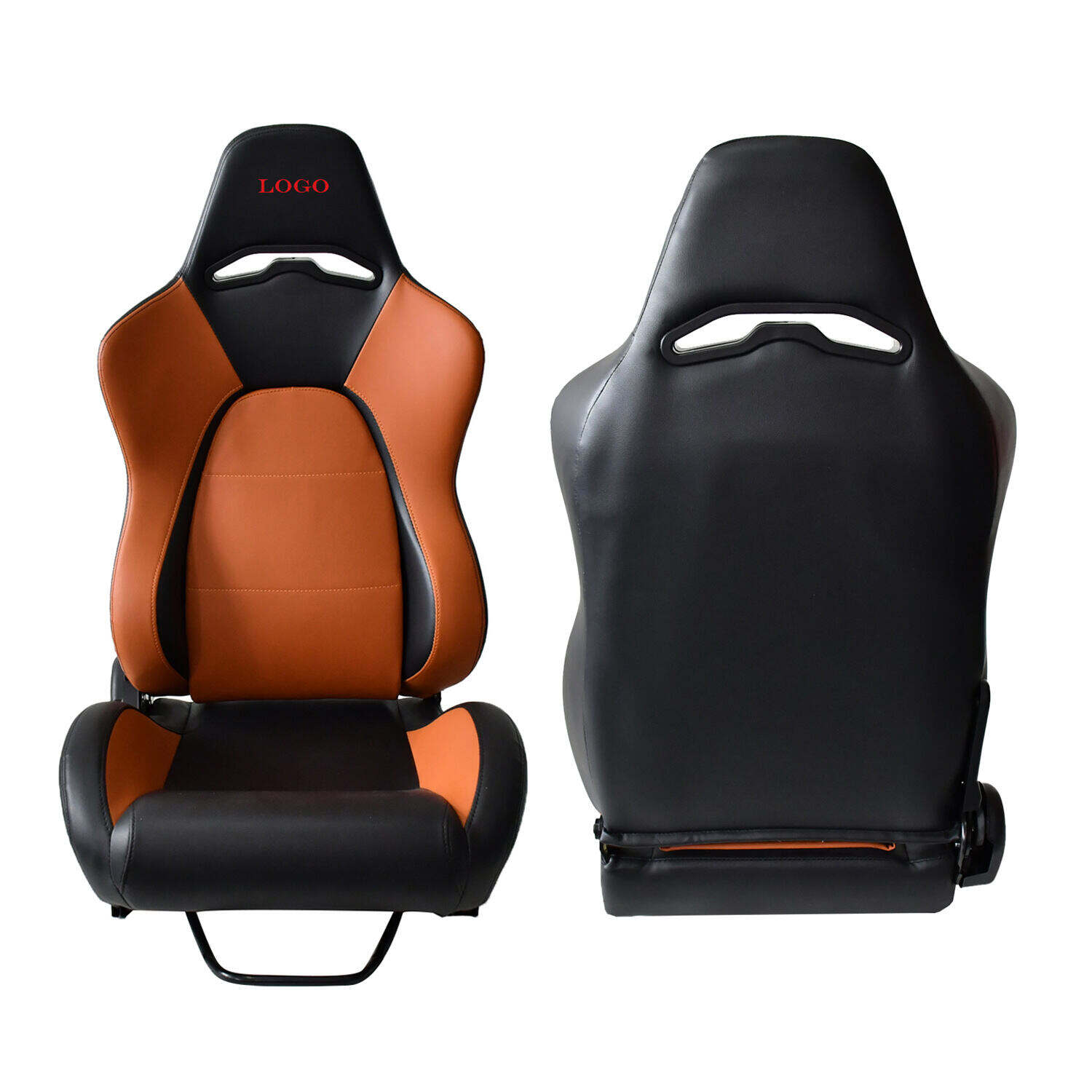
Determining the right moment to upgrade to bucket seats requires understanding your driving needs, vehicle usage patterns, and performance expectations. Unlike standard bench or captain's chairs, bucket seats offer specialized benefits that become most valuable in specific driving scenarios and vehicle applications.
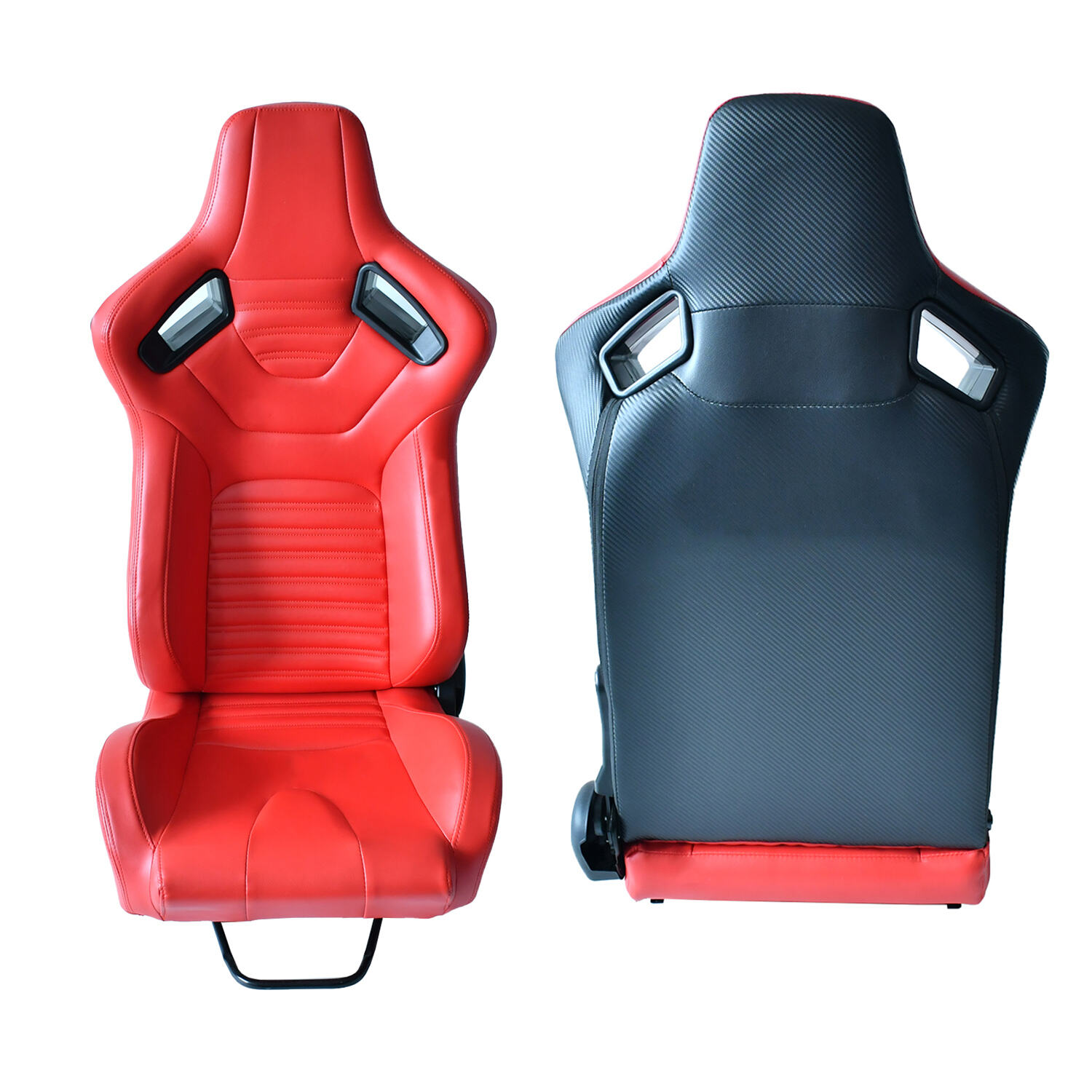
The decision to install bucket seats should align with your driving style, safety requirements, and long-term vehicle goals. Professional drivers, racing enthusiasts, and performance-focused vehicle owners typically find the greatest value in bucket seats, though recreational drivers can also benefit from their enhanced support and comfort features under the right circumstances.
Performance Driving Scenarios
Track Day Events and Racing Applications
Track driving presents the most compelling case for choosing bucket seats over standard seating options. During high-speed cornering, acceleration, and braking maneuvers, bucket seats provide essential lateral support that prevents driver movement within the cockpit. This stability allows for more precise vehicle control and reduces driver fatigue during extended track sessions.
Professional racing applications demand bucket seats as a safety requirement rather than a preference. The fixed shell design of racing bucket seats integrates with multi-point harness systems to create a comprehensive restraint system that meets competition safety standards. Standard automotive seats cannot accommodate the mounting points and structural requirements necessary for proper racing harness installation.
Weekend track enthusiasts should consider bucket seats when they regularly participate in high-performance driving events. The improved body positioning and support translate directly to better lap times and increased confidence during aggressive driving maneuvers. Many track-focused drivers report significantly reduced back and shoulder strain when using properly fitted bucket seats during extended driving sessions.
Autocross and Competitive Driving
Autocross events involve rapid direction changes and sudden acceleration patterns that challenge standard seating arrangements. Bucket seats excel in these environments by providing the lateral containment necessary to maintain proper driving position during quick transitions. The enhanced support allows drivers to focus entirely on vehicle control rather than bracing themselves against seat movement.
Competitive driving disciplines benefit from the consistent seating position that bucket seats provide. Unlike adjustable seats that can shift over time, quality bucket seats maintain their shape and position, ensuring repeatable ergonomics for optimal performance. This consistency becomes crucial when developing muscle memory for specific vehicle control inputs.
Time attack events and hillclimb competitions create sustained high-load conditions where driver comfort and support directly impact performance outcomes. Bucket seats designed for these applications feature enhanced bolstering and breathable materials that manage heat buildup during intensive driving sessions. The improved comfort allows drivers to maintain peak concentration throughout longer competitive runs.
Safety and Protection Requirements
Enhanced Occupant Protection
Modern bucket seats incorporate advanced safety features that exceed standard automotive seating protection levels. The rigid shell construction and integrated mounting systems create a more secure connection between occupant and vehicle structure during impact events. This enhanced integration can reduce injury severity in both frontal and side impact scenarios.
Side impact protection represents a significant advantage of quality bucket seats over conventional seating arrangements. The extended shoulder and torso bolstering provides additional lateral protection during side collisions, while the rigid construction maintains structural integrity under high impact loads. Racing-grade bucket seats undergo extensive crash testing to validate their protective capabilities.
Harness compatibility becomes essential when upgrading vehicle safety systems beyond standard three-point seatbelts. Bucket seats designed for safety applications include proper mounting provisions for four, five, or six-point harness systems. The combination of bucket seats and multi-point harnesses creates a professional-grade restraint system suitable for high-risk driving environments.
Fire Safety and Emergency Egress
Fire-resistant materials and construction methods distinguish racing bucket seats from standard automotive seating in high-risk applications. Professional-grade bucket seats utilize flame-retardant fabrics and padding materials that meet motorsport safety standards. These materials provide additional escape time in fire emergency situations while maintaining structural integrity under extreme heat conditions.
Emergency egress considerations become important for vehicles used in competitive or high-performance applications. Bucket seats designed for racing applications often feature quick-release mechanisms and reduced side bolstering profiles that facilitate rapid exit procedures. The balance between occupant containment and emergency accessibility requires careful consideration based on intended vehicle usage.
Professional racing bucket seats undergo rigorous testing protocols that validate their performance under extreme conditions. These testing standards ensure that the seats maintain their protective properties throughout their service life, providing consistent safety performance over thousands of miles of high-stress usage. Standard automotive seats typically do not undergo equivalent testing validation.
Comfort and Ergonomic Considerations
Long-Distance Driving Applications
Extended highway driving can benefit from bucket seats when properly matched to individual body dimensions and driving preferences. Quality bucket seats provide superior lumbar support and spinal alignment compared to many factory seating options, reducing fatigue during long-distance travel. The key lies in selecting bucket seats with appropriate cushioning density and ergonomic profiles for sustained comfort.
Road trip applications require bucket seats with adjustable features that accommodate different driving positions throughout extended journeys. Fixed-shell racing bucket seats may prove too restrictive for long-distance comfort, while adjustable bucket seats offer the ideal compromise between support and versatility. The padding materials and ventilation systems become crucial factors for multi-hour driving sessions.
Daily commuting scenarios can justify bucket seats when drivers experience discomfort or fatigue with factory seating arrangements. Individuals with specific ergonomic needs or physical conditions may find that properly fitted bucket seats provide superior support and comfort compared to standard automotive seats. The investment becomes worthwhile when measured against improved daily comfort and reduced physical strain.
Body Type and Physical Requirements
Individual body dimensions play a crucial role in determining when bucket seats provide optimal comfort and support. Taller drivers often benefit from the extended back support and adjustable positioning options available in quality bucket seats. Conversely, smaller-statured drivers may find standard bucket seats too large, requiring specialized sizing or padding modifications for proper fit.
Weight distribution and support requirements vary significantly among different body types, making proper bucket seat selection essential for comfort and safety. Athletic individuals may prefer firm, supportive bucket seats that maintain their shape under load, while others may require softer cushioning materials for optimal comfort. The seat selection process should include extended test periods to validate long-term comfort characteristics.
Medical conditions such as back injuries or spinal issues may create specific requirements that bucket seats can address more effectively than standard seating. The enhanced lumbar support and customizable positioning options available in many bucket seats can provide therapeutic benefits for individuals with specific physical needs. Medical consultation may be appropriate when considering bucket seats for therapeutic applications.
Vehicle Integration and Compatibility
Mounting System Requirements
Vehicle modification requirements represent a significant consideration when choosing bucket seats for specific applications. Racing bucket seats typically require custom mounting fabrication or specialized brackets that may involve permanent modifications to vehicle structure. The complexity and cost of proper installation should factor into the decision-making process for bucket seat upgrades.
Airbag system compatibility becomes crucial when replacing factory seats with aftermarket bucket seats. Many vehicles integrate side airbags into the original seating system, creating safety and legal implications when installing bucket seats. Professional installation and system integration ensure that safety systems continue to function as designed while accommodating bucket seat upgrades.
Height and positioning adjustments require careful consideration to maintain proper sight lines and control accessibility after bucket seat installation. The fixed nature of many bucket seats may alter driving position significantly compared to factory seating arrangements. Test fitting and position verification become essential steps in the selection process to ensure optimal ergonomics and safety.
Legal and Regulatory Compliance
Street-legal applications must comply with federal motor vehicle safety standards that govern seating system design and installation. Not all racing bucket seats meet the requirements for street use, particularly regarding seatbelt compatibility and crash testing standards. Understanding the regulatory requirements helps ensure that bucket seat installations remain compliant with applicable safety regulations.
Insurance implications may arise when installing aftermarket bucket seats in street-driven vehicles. Some insurance carriers require disclosure of significant modifications, and bucket seat installations may affect coverage or claim processing. Consultation with insurance providers before installation can prevent complications in the event of an accident or claim.
Competition regulations often mandate specific bucket seat certifications and installation requirements for organized racing events. Different racing organizations maintain unique standards for safety equipment, including bucket seats and mounting systems. Verification of applicable regulations ensures that bucket seat selections meet competition requirements and maintain eligibility for specific racing series.
FAQ
Are bucket seats comfortable for daily driving?
Bucket seats can be comfortable for daily driving when properly selected and fitted to individual body dimensions. Quality bucket seats with appropriate padding and ergonomic design often provide superior support compared to factory seats. However, racing-specific bucket seats may prove too firm or restrictive for comfortable daily use, making adjustable or touring-oriented bucket seats better choices for regular driving applications.
Do I need special equipment to install bucket seats?
Installing bucket seats typically requires specialized mounting brackets or custom fabrication work to ensure proper fitment and safety compliance. Most bucket seats do not directly bolt to factory mounting points, necessitating adapter brackets or professional installation services. Racing applications may require additional equipment such as harness mounting points and roll cage integration for optimal safety and functionality.
Can I use bucket seats with factory seatbelts?
Many bucket seats are designed to work with factory three-point seatbelt systems, though proper fitment and positioning require careful consideration. Racing bucket seats often perform better with multi-point harness systems, but street-legal versions typically accommodate standard seatbelts when properly installed. The seat design and mounting position determine seatbelt compatibility and effectiveness.
How do I choose the right size bucket seat?
Selecting properly sized bucket seats requires measuring shoulder width, hip width, and torso height to ensure appropriate fit within the seat shell. Most manufacturers provide sizing guidelines and dimensional specifications for their bucket seats. Test sitting in different seat models when possible helps validate comfort and fit before purchase, as bucket seats typically offer less adjustability than factory seating systems.