
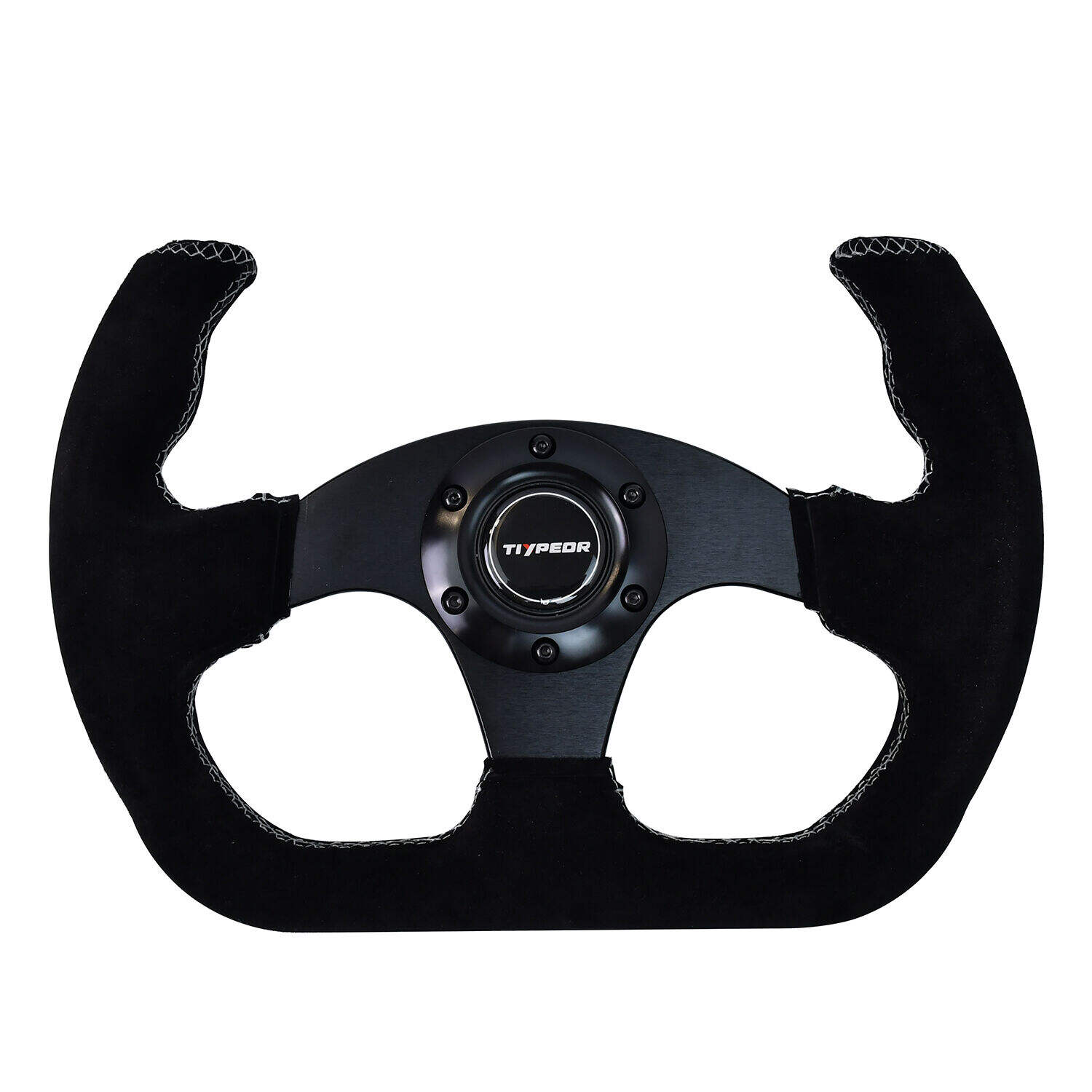
Die grundlegenden Unterschiede zwischen Rennlenkrädern und herkömmlichen Automobil-Lenkrädern gehen weit über oberflächliche Gestaltungselemente hinaus und umfassen entscheidende technische Überlegungen, die sich unmittelbar auf Leistung, Steuerpräzision und Fahrer-Engagement auswirken. Das Verständnis dieser Unterschiede ist für alle, die eine Aufrüstung der Fahrzeugsteuerung in Erwägung ziehen – sei es für den Einsatz auf der Rennstrecke, für Simulatoren oder für ein verbessertes Fahrerlebnis im Straßenverkehr – unerlässlich.

Rennlenkräder stellen eine spezialisierte Weiterentwicklung der Automobilsteuerungstechnologie dar und sind darauf ausgelegt, die anspruchsvollen Anforderungen von Hochleistungs-Fahrbedingungen zu erfüllen, bei denen Millisekunden-Reaktionszeiten und taktiler Feedback über Erfolg oder Misserfolg entscheiden können. Diese leistungsorientierten Komponenten integrieren fortschrittliche Materialien, ergonomische Prinzipien sowie technische Lösungen, die die Funktionalität vor dem Komfort priorisieren und so eine Fahrzeug-Schnittstelle schaffen, die speziell für Wettbewerbsumgebungen optimiert ist.
Durchmesser- und Größenangaben
Überlegungen zum optimalen Durchmesser
Der unmittelbar auffälligste Unterschied zwischen einem Rennlenkrad und herkömmlichen Automobil-Lenkrädern liegt in ihren Durchmesserspezifikationen. Rennlenkräder haben typischerweise einen Durchmesser von 320 mm bis 350 mm und sind damit deutlich kleiner als die bei regulären Personenkraftwagen üblichen 380 mm bis 420 mm. Dieser reduzierte Durchmesser erfüllt mehrere leistungsrelevante Zwecke: Er ermöglicht schnellere Lenkbewegungen mit geringerem Armhub und bietet besseren Platz für die Bedienung in engen Cockpitumgebungen.
Der kleinere Durchmesser eines Rennlenkrads führt zu einer erhöhten Empfindlichkeit des Lenkübersetzungsverhältnisses, was bedeutet, dass Fahrer denselben Lenkwinkel mit geringerer Lenkraddrehung erreichen können. Diese Eigenschaft wird besonders bei schnellen Kurvenfahrten entscheidend, bei denen rasche Richtungsänderungen minimale Handbewegungen und maximale Reaktionspräzision erfordern. Die kompakte Bauform verringert zudem den physischen Aufwand für Lenkbewegungen – insbesondere von Vorteil bei längeren Fahrten, bei denen das Management von Ermüdung kritisch ist.
Auswirkung des geometrischen Profils
Über die Durchmesseraspekte hinaus weisen Rennlenkräder häufig abgeflachte Unterseiten oder vollständig flache Profile auf, die sie von der kreisförmigen Geometrie herkömmlicher Lenkräder unterscheiden. Diese geometrische Modifikation erfüllt praktische Zwecke im Rennsport: Sie bietet verbesserten Beinfreiraum beim Ein- und Aussteigen und gewährleistet gleichzeitig eine optimale Handpositionierung während der Fahrt. Das abgeflachte Unterteil bildet zudem einen visuellen Orientierungspunkt, der Fahrern hilft, unter Hochbelastung eine konsistente Handstellung beizubehalten.
Das geometrische Profil eines rennlenkrad trägt zur Verbesserung der Aerodynamik innerhalb des Cockpits bei und verringert die Luftturbulenz um die Hände und Arme des Fahrers bei offenen Cockpits im Rennsport. Dieser scheinbar geringfügige Aspekt kann sich auf den Fahrerkomfort und die Konzentration während des Hochgeschwindigkeitsbetriebs auswirken, wo jedes Element der Fahrzeugumgebung die Leistungsergebnisse beeinflusst.
Materialtechnik und Konstruktion
Fortschrittliche Materialauswahl
Rennlenkräder verwenden spezialisierte Materialien, die für Leistungsanwendungen entwickelt wurden und sich deutlich von den komfortorientierten Materialien herkömmlicher Automobil-Lenkräder unterscheiden. Kohlefaser, Aluminiumlegierung und hochwertiger Stahl bilden die strukturelle Grundlage von Rennlenkrädern und bieten dabei außergewöhnliche Festigkeits-zu-Gewichts-Verhältnisse, während sie unter extremen Belastungsbedingungen ihre Steifigkeit bewahren. Diese Materialien widerstehen einer Verformung bei aggressiven Fahrmanövern und gewährleisten dadurch ein konsistentes Lenkgefühl sowie vorhersehbare Reaktionseigenschaften.
Die Griff-Oberflächen von Rennlenkrädern verwenden Materialien, die speziell aufgrund ihrer taktilen Eigenschaften und ihrer Haltbarkeit unter anspruchsvollen Bedingungen ausgewählt wurden. Alcantara, perforiertes Leder und spezielle synthetische Verbindungen bieten im Vergleich zu Standard-Automobilmaterialien überlegene Griff-Eigenschaften und bewahren ihre Struktur sowie Leistungsfähigkeit auch bei Feuchtigkeit, extremen Temperaturen oder langfristiger Nutzung. Diese Materialien ermöglichen zudem eine verbesserte Übertragung von Vibrationen, sodass Fahrer über das Lenkrad-Feedback besser die Straßenoberfläche sowie die Fahrzeugdynamik wahrnehmen können.
Gewichtsoptimierungsstrategien
Die Gewichtsreduzierung stellt eine zentrale Konstruktionspriorität bei der Entwicklung von Rennlenkrädern dar; Hersteller setzen dabei fortschrittliche Konstruktionstechniken ein, um die Masse zu minimieren, ohne jedoch die strukturelle Integrität zu beeinträchtigen. Rennlenkräder wiegen typischerweise 30–50 % weniger als vergleichbare Serienlenkräder, was die Rotationsmasse verringert und die Lenkreaktion verbessert. Diese Gewichtsreduzierung wirkt sich unmittelbar auf die Fahrzeugdynamik aus und ermöglicht schnellere Richtungswechsel sowie eine geringere Fahrermüdigkeit während längerer Einsatzzeiten.
Die Gewichtsoptimierung bei Rennlenkrädern geht über einen bloßen Austausch von Werkstoffen hinaus und umfasst hohle Konstruktionsmethoden, gezielte Materialentfernung sowie eine integrierte Komponentenkonstruktion, die unnötige Masse eliminiert. Diese ingenieurtechnischen Ansätze führen zu Lenkrädern, die sich im Griff des Fahrers lebendiger und reaktionsfreudiger anfühlen und unmittelbares Feedback sowie eine präzise Übertragung der Lenkbefehle an das Fahrzeuglenksystem gewährleisten.
Ergonomische Designphilosophie
Optimierung der Handposition
Rennlenkräder integrieren ergonomische Prinzipien, die speziell auf Hochleistungs-Fahrpositionen zugeschnitten sind und sich deutlich von der komfortorientierten Gestaltungsphilosophie herkömmlicher Lenkräder unterscheiden. Der Querschnitt des Lenkradkranzes weist sorgfältig konstruierte Konturen auf, die eine korrekte Handpositionierung fördern und Druckpunkte bei längerer Nutzung reduzieren, ohne dabei die präzise Griffkontrolle einzubüßen, die für den Einsatz im Wettkampfsport erforderlich ist.
Das ergonomische Design von Rennlenkrädern berücksichtigt die Biomechanik schneller Lenkbewegungen und umfasst Daumenmulden, Fingerrillen sowie Flächen zur Stützung der Handfläche, die die Steuerpräzision bei aggressiven Manövern verbessern. Diese Gestaltungselemente helfen dem Fahrer, auch unter hohen Beschleunigungskräften (G-Kräften) eine konstante Handposition zu bewahren, wo Fliehkräfte die Griffstabilität und Lenkgenauigkeit beeinträchtigen können.
Verringerung der Fahrerermüdung
Die Ergonomie von Rennlenkrädern zielt darauf ab, die Ermüdung durch eine optimierte Griffdurchmesser-, Oberflächenstruktur- und Handpositionsgemetrie zu reduzieren. Der Felgendurchmesser von Rennlenkrädern liegt typischerweise zwischen 28 mm und 32 mm, verglichen mit dem bei Serienfahrzeugen üblichen Bereich von 35 mm bis 40 mm. Dieser geringere Griffdurchmesser ermöglicht ein sichereres Umfassen mit der Hand und verringert den muskulären Aufwand, der erforderlich ist, um während längerer Fahrten die Lenkkontrolle aufrechtzuerhalten.
Die ergonomischen Vorteile von Rennlenkrädern erstrecken sich auch auf deren Schwingungsdämpfungseigenschaften: Durch spezielle Materialien und Konstruktionsmethoden werden schädliche Frequenzen gefiltert, während nützliches taktiles Feedback erhalten bleibt. Diese gezielte Übertragung von Schwingungen hilft dem Fahrer, das Bewusstsein für Fahrzeugdynamik und Straßenverhältnisse zu bewahren, ohne die durch übermäßige Schwingungsbelastung verursachte Ermüdung von Händen und Armen im Hochleistungsbetrieb zu erleiden.
Funktionale Integration und Bedienelemente
Integrierte Steuerungssysteme
Moderne Rennlenkräder verfügen häufig über integrierte Steuerungssysteme, die es Fahrern ermöglichen, auf kritische Fahrzeugfunktionen zuzugreifen, ohne die Hände vom Lenkrad zu nehmen – eine Funktion, die bei herkömmlichen Automobil-Lenkrädern nur selten zu finden ist. Zu diesen integrierten Bedienelementen zählen Schaltpaddles, Tastenfelder, Drehwähler und digitale Displays, die unmittelbaren Zugriff auf Motor-Maps, Fahrwerkeinstellungen, Traktionskontrollparameter und Kommunikationssysteme bieten.
Die Integration von Bedienelementen in Rennlenkräder spiegelt die anspruchsvolle Natur von Wettkampfsituationen wider, bei denen das Aufrechterhalten einer optimalen Handposition beim Zugriff auf Fahrzeugsysteme über Rundenzeiten und die sportliche Platzierung entscheiden kann. Im Gegensatz zu herkömmlichen Lenkrädern, bei denen die Bedienelemente vorrangig am Lenksäulenrohr angeordnet sind, konzentrieren Rennlenkräder wesentliche Funktionen innerhalb leicht erreichbarer Reichweite der Daumen und Finger des Fahrers, um Ablenkung und Reaktionszeit in kritischen Momenten auf ein Minimum zu reduzieren.
Schnellverschluss-Mechanismen
Rennlenkräder verfügen nahezu ausnahmslos über Schnellwechselsysteme, die eine schnelle Demontage und Montage ermöglichen – eine Funktion, die bei herkömmlichen Automobil-Lenkrädern völlig fehlt. Diese Schnellwechselsysteme erfüllen mehrere Zwecke, darunter Diebstahlschutz, vereinfachter Ein- und Ausstieg in beengten Fahrerkabinen sowie erleichterten Zugang zu Armaturenbrett-integrierten Komponenten und Verkabelungssystemen für Wartungszwecke.
Die Schnellwechselfunktion von Rennlenkrädern umfasst präzisionsgefertigte Verriegelungsmechanismen, die eine sichere Befestigung gewährleisten und gleichzeitig eine einhändige Bedienung für eine schnelle Montage ermöglichen. Diese Systeme stellen die elektrische Kontinuität für integrierte Steuerelemente sicher und bewahren eine exakte Mittelstellung, um eine konsistente Lenkradposition über mehrere Montagezyklen hinweg zu gewährleisten – entscheidend für das Vertrauen des Fahrers und die Präzision der Lenkung.
Leistungsbeeinflussung und Fahrerbindung
Verbesserung der taktilen Rückmeldung
Rennlenkräder bieten im Vergleich zu herkömmlichen Lenkrädern eine deutlich verbesserte taktilen Rückmeldung und übertragen entscheidende Informationen über die Fahrzeugdynamik, die Beschaffenheit der Fahrbahn sowie den Reifengriff direkt in die Hände des Fahrers. Diese verbesserte Rückmeldung ergibt sich aus der Auswahl der Materialien, den Fertigungstechniken und den Konstruktionsphilosophien, bei denen die Informationsübertragung gegenüber der Schwingungsisolierung Priorität hat – was zu einem stärkeren Fahrgefühl führt und eine präzise Fahrzeugkontrolle ermöglicht.
Die taktilen Feedback-Eigenschaften von Rennlenkrädern ermöglichen es erfahrenen Fahrern, subtile Veränderungen im Fahrzeugverhalten, im Reifengleitverhalten und in der Federbeinbelastung zu erkennen, die bei herkömmlichen Lenkradkonfigurationen möglicherweise unbemerkt bleiben würden. Diese verbesserte sensorische Verbindung ermöglicht proaktive Fahrkorrekturen und eine präzisere Fahrzeugkontrolle – insbesondere wertvoll in Hochleistungsszenarien, bei denen eine frühzeitige Erkennung von Veränderungen im Fahrverhalten ein Ausbrechen des Fahrzeugs verhindern kann.
Reaktionspräzision und Kontrollautorität
Die Konstruktionsmerkmale von Rennlenkrädern tragen zu einer verbesserten Reaktionsgenauigkeit und einem höheren Kontrollgrad bei, sodass Fahrer Lenkbefehle mit größerer Präzision und Konsistenz ausführen können als bei herkömmlichen Lenkradkonfigurationen. Der reduzierte Durchmesser, die optimierte Ergonomie sowie die verbesserten Griffmerkmale von Rennlenkrädern ermöglichen präzisere Lenkeingaben – insbesondere vorteilhaft bei komplexen Fahrsituationen, die schnelle Lenkkorrekturen und feine Anpassungen erfordern.
Rennlenkräder fördern einen verbesserten Kontrollgrad durch ihre konstruktive Integration in leistungsorientierte Lenksysteme und schaffen so eine einheitliche Steuerschnittstelle, die speziell für Hochleistungsanwendungen optimiert ist. Die erhöhte Lenkpräzision, die durch Rennlenkräder verfügbar ist, zeigt sich besonders deutlich bei Grenzbelastungsfahrten, bei denen bereits geringfügige Variationen der Lenkeingaben erheblichen Einfluss auf die Fahrzeugtrajektorie und das Fahrverhalten haben können.
Häufig gestellte Fragen
Kann ich ein Rennlenkrad in meinem normalen Fahrzeug installieren?
Ja, Rennlenkräder können in normalen Fahrzeugen installiert werden, doch die Montage erfordert kompatibles Befestigungszubehör und kann die Airbag-Funktion deaktivieren. Die meisten Rennlenkräder verwenden standardisierte Montagemuster, die mit Aftermarket-Lenkradnaben kompatibel sind, die für bestimmte Fahrzeugmodelle ausgelegt sind. Der Austausch des serienmäßigen Lenkrads führt jedoch zum Ausfall des Airbag-Sicherheitssystems, was je nach lokalen Vorschriften rechtliche Konsequenzen haben kann und möglicherweise die Kfz-Versicherungsdeckung beeinträchtigt.
Verbessert ein Rennlenkrad meine Fahrtleistung?
Ein Rennlenkrad kann die Fahrtleistung durch verbessertes taktilen Feedback, reduzierten Lenkaufwand und optimierte Ergonomie steigern, insbesondere bei sportlichem Fahren oder beim Einsatz auf der Rennstrecke. Der kleinere Durchmesser und die optimierten Griff-Eigenschaften ermöglichen schnellere Lenkbewegungen und eine präzisere Kontrolle. Die Leistungsvorteile sind jedoch vor allem in anspruchsvollen Fahrszenarien spürbar und weniger im normalen Straßenverkehr, wo Komfort- und Bedienungsfunktionen herkömmlicher Lenkräder möglicherweise von größerem Wert sind.
Sind Rennlenkräder für das tägliche Fahren komfortabel?
Rennlenkräder priorisieren Leistung vor Komfort und können im Alltagsbetrieb weniger komfortabel sein als herkömmliche Lenkräder. Der kleinere Durchmesser erfordert eine stärkere Lenkraddrehung für denselben Kurvenradius, die festeren Materialien bieten weniger Dämpfung, und das Fehlen integrierter Komfortfunktionen wie Heizung kann die Alltagstauglichkeit verringern. Zudem kann die verstärkte Übertragung von Vibrationen – die beim sportlichen Fahren von Vorteil ist – bei langen Autobahnfahrten oder im Stop-and-go-Verkehr ermüdend wirken.
Welche Größe eines Rennlenkrads sollte ich wählen?
Die Auswahl der Größe eines Rennlenkrads hängt von der Fahrzeuganwendung, Ihrer Sitzposition und Ihren persönlichen Vorlieben ab. Kleinere Durchmesser von etwa 320 mm eignen sich gut für enge Cockpits und bieten die schnellste Reaktion, während Lenkräder mit einem Durchmesser von 350 mm ein ausgewogenes Verhältnis zwischen Reaktionsvermögen und Komfort bieten, das für die meisten Anwendungen geeignet ist. Berücksichtigen Sie bei der Auswahl des Durchmessers Ihre Arm- und Sitzposition sowie die Art des geplanten Fahrstils: Kleinere Lenkräder erfordern mehr Kraftaufwand beim Einparken, bieten jedoch bessere Hochleistungs-Steuerungseigenschaften.