
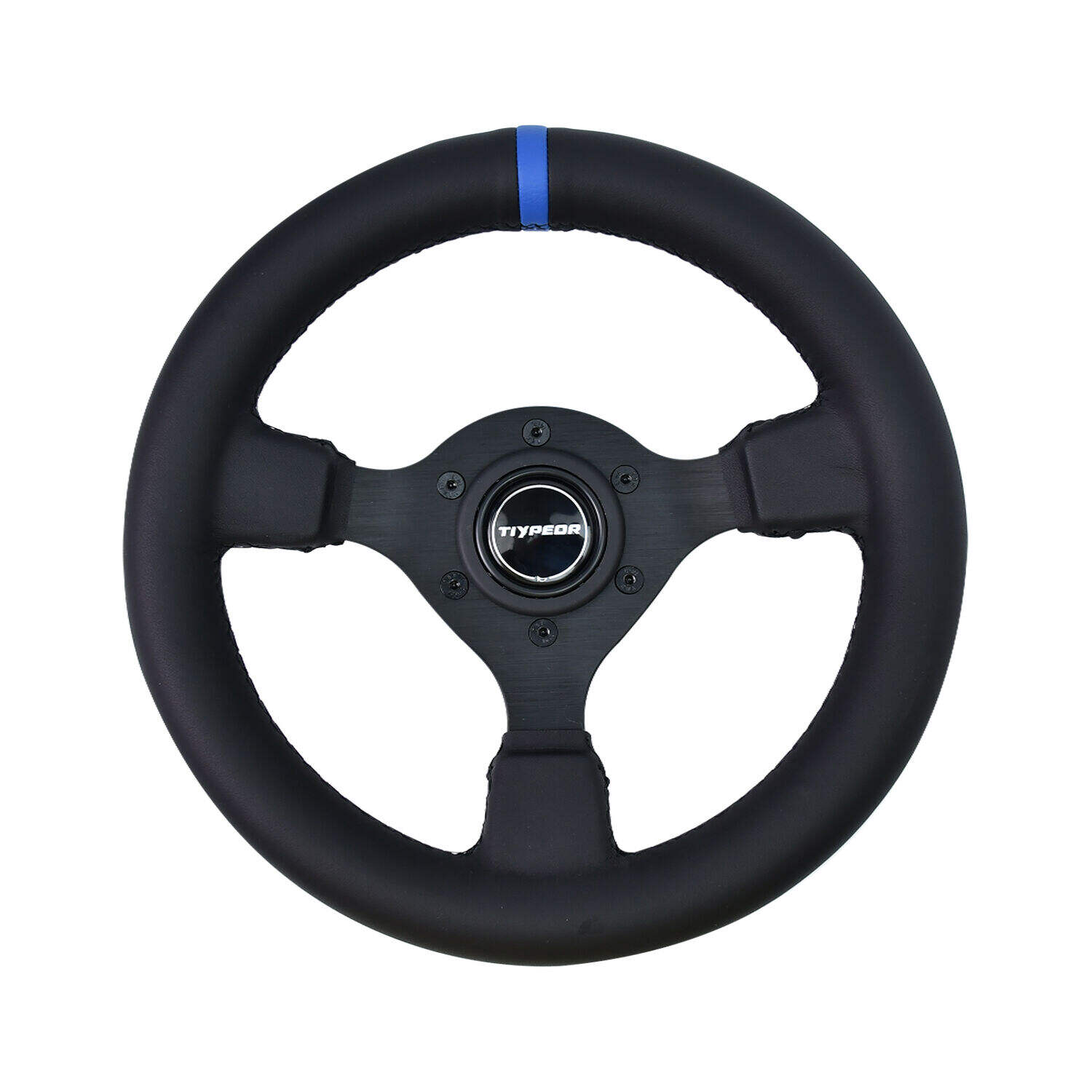
Le sport automobile moderne s'est transformé en un domaine hautement technique où des décisions prises en une fraction de seconde et un contrôle précis peuvent faire la différence entre la victoire et la défaite. Au cœur de cette révolution technologique se trouve le volant de course, qui s'est mué d’un simple dispositif de commande directionnelle en un centre de commandes sophistiqué, garni de boutons, de commutateurs et d’affichages numériques. Ces boutons représentent bien plus que de simples commandes pratiques : ils incarnent l’interface critique entre le pilote et la machine, susceptible d’influencer considérablement les temps au tour, la sécurité et la performance globale en compétition.

L'importance stratégique des boutons du volant de course va bien au-delà de la simple commodité, modifiant fondamentalement la façon dont les pilotes interagissent avec leur véhicule pendant une compétition à haute vitesse. Chaque bouton constitue un accès direct à des systèmes critiques du véhicule, permettant des réglages instantanés qui, autrement, exigeraient d’ôter les mains du volant ou de s’appuyer sur les communications avec l’équipe en stand. Cette intégration transparente entre la prise de décision humaine et la réponse mécanique crée un avantage de performance pouvant se traduire par des améliorations mesurables de la régularité au tour, de la précision en virage et de la gestion stratégique de la course.
L’impact sur les performances grâce à un accès immédiat aux systèmes
Avantages liés à un temps de réponse de l’ordre de la milliseconde
Chaque bouton du volant de course élimine le délai inhérent aux méthodes de commande traditionnelles, générant des gains de performance mesurés en millisecondes critiques. Lorsqu’un pilote doit régler l’équilibre du freinage en approchant d’un virage à haute vitesse, la différence entre tendre la main vers une commande située sur le tableau de bord et appuyer sur un bouton dédié du volant peut déterminer s’il parvient ou non à une performance optimale de freinage, ou s’il perd des dixièmes de seconde précieux. Cet accès immédiat devient exponentiellement plus précieux dans les situations de course « roue contre roue », où maintenir une précision maximale de la trajectoire tout en effectuant des réglages système permet de conserver sa position sur la piste.
L'avantage ergonomique d'un positionnement optimal des boutons sur un volant de course va bien au-delà d'une simple rapidité d'accès. Les pilotes développent une mémoire musculaire pour les emplacements spécifiques des boutons, ce qui leur permet d'effectuer des réglages sans confirmation visuelle ni réflexion consciente. Cette capacité de réponse automatique permet aux pilotes de conserver toute leur concentration sur les trajectoires de course, les déplacements des concurrents et les conditions de la piste, tout en optimisant simultanément les paramètres de performance du véhicule. La réduction de la charge cognitive obtenue grâce à un positionnement intuitif des boutons se traduit directement par une amélioration de la capacité de prise de décision dans des situations de course à forte pression.
Optimisation en temps réel du véhicule
Les véhicules de course modernes génèrent d'énormes quantités de données qui nécessitent une interprétation et des ajustements constants tout au long d'une séance de course. Les boutons du volant de course constituent l'interface essentielle permettant aux pilotes de réagir aux conditions changeantes de la piste, à la dégradation des pneus et aux schémas de consommation de carburant, sans compromettre leur concentration principale sur le contrôle du véhicule. Chaque pression sur un bouton représente une décision fondée sur les données, susceptible d'influencer les temps au tour, la longévité des pneus et le positionnement stratégique en course, en fonction des retours en temps réel fournis par les capteurs du véhicule et les systèmes de télémétrie.
La capacité d'effectuer des ajustements instantanés grâce à volant de Course les boutons deviennent particulièrement cruciaux dans des conditions de course dynamiques. Les changements météorologiques, les situations de circulation et l’évolution des caractéristiques de la surface de la piste exigent des modifications immédiates de la configuration du véhicule, qui ne peuvent être mises en œuvre efficacement que via les commandes directes situées sur le volant. Cette capacité d’optimisation en temps réel permet aux pilotes d’exploiter au maximum les performances de leur véhicule dans des conditions de course variées, préservant ainsi des avantages concurrentiels qui seraient autrement impossibles à obtenir avec des configurations statiques du véhicule.
Fonctions de commande critiques et leurs avantages en matière de performance
Gestion du moteur et distribution de la puissance
Les boutons du volant de course offrent un contrôle essentiel sur la cartographie moteur, le mélange carburant et les caractéristiques de délivrance de puissance, qui influencent directement les performances d’accélération et l’efficacité énergétique. Ces commandes permettent aux pilotes d’optimiser la puissance délivrée selon les sections spécifiques de la piste, en adaptant le comportement du moteur aux exigences de sortie de virage, aux besoins d’accélération en ligne droite et aux stratégies de conservation de carburant. L’accès immédiat aux fonctions de gestion moteur via les boutons du volant autorise une modulation précise de la puissance, ce qui peut améliorer les temps au tour tout en prolongeant la fiabilité des composants et l’autonomie en carburant.
Les systèmes de commande avancés du moteur, accessibles via les boutons du volant de course, comprennent le réglage de la limiteur de régime, les modifications du calage d’allumage et les stratégies de déploiement du système hybride. Chacune de ces fonctions exige un chronométrage précis et une mise en œuvre immédiate afin d’obtenir des gains de performance optimaux. La possibilité de régler ces paramètres sans retirer les mains du volant de course garantit que l’optimisation du moteur s’effectue de manière fluide dans le cadre plus large du contrôle du véhicule, préservant ainsi l’équilibre délicat entre l’extraction maximale de performances et la préservation mécanique.
Réglages de la suspension et de l’aérodynamique
Les véhicules de course sophistiqués intègrent des systèmes de suspension active et aérodynamiques qui nécessitent un réglage constant en fonction des caractéristiques de la piste et des conditions de course. Les boutons du volant de course constituent l’interface essentielle permettant de modifier la raideur de la suspension, la hauteur de caisse et l’équilibre aérodynamique afin d’optimiser la tenue de route du véhicule pour des sections spécifiques de la piste ou des conditions météorologiques changeantes. Ces réglages peuvent influencer considérablement les vitesses en virage, les performances en ligne droite et l’équilibre global du véhicule tout au long d’une séance de course.
L'utilisation stratégique de la suspension et des commandes aérodynamiques via les boutons du volant de course permet aux pilotes d'adapter la configuration de leur véhicule afin de contrer la dégradation des pneus, les variations de température de la piste et l'évolution des niveaux d'adhérence. Cette capacité adaptative transforme le volant de course en une plateforme dynamique de réglage, autorisant une optimisation continue du véhicule sur la base de retours de performance en temps réel. Les avantages de performance obtenus grâce à l'accès immédiat à ces systèmes peuvent déterminer le positionnement concurrentiel durant les phases critiques de la course, où des gains marginaux se traduisent par des avantages stratégiques significatifs.
Intégration des systèmes de sécurité et réponse aux urgences
Activation instantanée des protocoles de sécurité
Les boutons du volant de course constituent l'interface principale des systèmes de sécurité critiques, capables de prévenir les accidents ou d'en atténuer les conséquences lors de situations de course à haute vitesse. Les réglages d'urgence de la répartition du freinage, les modifications du contrôle de traction et les interventions du système de stabilité doivent être accessibles en quelques millisecondes dès l'apparition de situations dangereuses. Le positionnement des commandes liées à la sécurité sur le volant de course garantit que les pilotes peuvent mettre en œuvre des mesures de protection sans compromettre leur concentration principale sur le contrôle du véhicule et leur perception de la situation.
L'intégration de systèmes d'extinction d'incendie, de protocoles de communication d'urgence et de procédures d'arrêt du véhicule via les boutons du volant de course crée une plateforme complète de gestion de la sécurité, accessible même dans des conditions de stress extrême. Cet accès immédiat aux systèmes de sécurité devient crucial lors de situations d'urgence où les méthodes de commande traditionnelles seraient peu pratiques ou impossibles à mettre en œuvre efficacement. La fiabilité et la facilité d'accès à ces commandes de sécurité via l'interface du volant de course peuvent faire la différence entre un incident maîtrisable et une issue catastrophique.
Communication et gestion de l'information
La course moderne exige une communication constante entre les pilotes, les équipes de stand et les officiels de course, les boutons du volant de course constituant l’interface essentielle pour les communications radio, la transmission de données et l’acquittement des informations. Ces commandes de communication permettent aux pilotes de rester en contact avec leurs équipes de soutien tout en conservant une concentration totale sur les activités de course. La possibilité d’acquitter rapidement les instructions des stands, de demander des informations ou de signaler l’état du véhicule via les boutons du volant élimine les distractions et les retards temporels liés à d’autres méthodes de communication.
La gestion de l'affichage des informations via les boutons du volant de course permet aux pilotes de faire défiler les présentations de données critiques, notamment les temps au tour, les informations de position, les taux de consommation de carburant et les relevés de température des pneus. Cet accès immédiat aux données de performance permet une prise de décision éclairée tout au long des séances de course, soutenant des choix stratégiques susceptibles d’influencer les résultats de la course. L’intégration transparente des systèmes de communication et d’information via le volant de course crée un environnement complet de commande et de contrôle qui optimise l’efficacité du pilote tout en minimisant la complexité opérationnelle.
Gestion stratégique de la course et avantage concurrentiel
Mise en œuvre de la stratégie aux stands
Les boutons du volant de course jouent un rôle essentiel dans l’exécution de stratégies complexes aux stands, qui exigent un chronométrage précis et une mise en œuvre immédiate. Les modes de conservation de carburant, les systèmes de gestion de la température des pneus et les paramètres de préservation des composants doivent être activés et ajustés en fonction des stratégies de course évolutives communiquées par les équipes aux stands. L’accès immédiat à ces commandes stratégiques via les boutons du volant de course permet aux pilotes de mettre en œuvre leurs décisions tactiques sans perdre de précieuse position sur la piste ni compromettre les performances du véhicule pendant les phases critiques de la course.
La coordination entre les actions du pilote via les boutons du volant de course et l’élaboration de la stratégie par l’équipe de stand crée une boucle de rétroaction dynamique qui optimise les résultats de la course en fonction des conditions en temps réel. Les pilotes peuvent réagir instantanément aux ajustements stratégiques, aux changements météorologiques ou aux pressions concurrentielles en modifiant le comportement du véhicule à l’aide des commandes dédiées situées sur le volant. Cette flexibilité stratégique s’avère particulièrement précieuse lors des épreuves d’endurance, où plusieurs ajustements stratégiques effectués au cours de la longue durée de la course peuvent déterminer les positions d’arrivée finales ainsi que le succès compétitif global.
Collecte et analyse des données de performance
Les boutons du volant de course constituent l'interface essentielle permettant de marquer des événements significatifs, d'enregistrer des données de performance et de déclencher des modes spécialisés de collecte de données, afin de soutenir l'analyse post-séance et le développement du véhicule. Ces commandes permettent aux pilotes d'identifier des moments précis survenus pendant les séances d'entraînement, de qualifications ou de course, nécessitant un examen approfondi afin de repérer des opportunités d'amélioration de la performance. La possibilité de marquer des points de données à l'aide des boutons du volant de course permet de constituer une base de données complète de la performance, qui soutient les programmes continus de développement du véhicule et du pilote.
L'intégration des commandes de collecte de données dans l'interface du volant de course permet un suivi des performances de manière transparente, en parallèle des activités de course habituelles. Les pilotes peuvent activer des modes d'enregistrement de données spécifiques pour certaines sections de piste, des conditions météorologiques particulières ou des configurations de réglage, sans perturber leur concentration principale sur les performances compétitives. Cette capacité exhaustive de collecte de données soutient le processus itératif de développement caractéristique des programmes de course performants, où des améliorations marginales de performance s'accumulent pour générer des avantages concurrentiels significatifs sur l'ensemble d'une saison de course.
FAQ
Combien de boutons trouve-t-on généralement sur un volant de course professionnel ?
Les volants de course professionnels comportent généralement entre 15 et plus de 30 boutons, interrupteurs et commandes rotatives, selon la catégorie de course et la complexité du véhicule. Les voitures de Formule 1 possèdent souvent la concentration la plus élevée de commandes, tandis que les volants utilisés en course automobile de sport ou en course de tourisme en comptent généralement moins, mais conservent néanmoins un grand nombre de fonctions essentielles. Le nombre exact dépend des systèmes spécifiques du véhicule, des exigences de sécurité et des besoins stratégiques propres à chaque discipline de course.
Les boutons des volants de course peuvent-ils être personnalisés pour différents pilotes ?
Oui, les dispositions et les fonctions des boutons du volant de course peuvent généralement être personnalisées afin de correspondre aux préférences individuelles des pilotes et à leurs stratégies de course. La plupart des équipes professionnelles de course autorisent les pilotes à modifier les affectations des boutons, à régler la sensibilité des commandes et à réorganiser les regroupements de fonctions en fonction de leurs préférences ergonomiques personnelles et de leurs exigences tactiques. Cette capacité de personnalisation garantit un confort et des performances optimaux pour le pilote, tout en préservant les fonctionnalités essentielles en matière de sécurité et d’exploitation.
Les boutons du volant de course nécessitent-ils une formation spécifique pour être utilisés efficacement ?
Une utilisation efficace des boutons du volant de course nécessite une formation approfondie et une pratique régulière afin de développer la mémoire musculaire et les schémas de réaction requis. Les pilotes professionnels consacrent beaucoup de temps aux simulateurs et aux séances d’entraînement pour mémoriser l’emplacement des boutons, les séquences de fonctions et les procédures d’urgence. La complexité des commandes modernes intégrées aux volants de course exige des programmes de formation systématiques qui associent l’utilisation des boutons aux techniques de conduite globales ainsi qu’aux processus de prise de décision stratégique.
En quoi les boutons du volant de course contribuent-ils à l’amélioration des temps au tour ?
Les boutons du volant de course contribuent à l'amélioration des temps au tour grâce à un accès immédiat aux commandes d'optimisation des performances, éliminant ainsi les retards temporels liés à d'autres méthodes de réglage. La possibilité de modifier instantanément la répartition du freinage, la cartographie moteur, les réglages de suspension et les configurations aérodynamiques permet aux pilotes de maintenir une configuration optimale du véhicule tout au long des changements de conditions sur la piste. Ces gains marginaux s’accumulent généralement pour produire des améliorations mesurables des temps au tour, pouvant déterminer le classement compétitif et l’issue des courses.
Table des matières
- L’impact sur les performances grâce à un accès immédiat aux systèmes
- Fonctions de commande critiques et leurs avantages en matière de performance
- Intégration des systèmes de sécurité et réponse aux urgences
- Gestion stratégique de la course et avantage concurrentiel
-
FAQ
- Combien de boutons trouve-t-on généralement sur un volant de course professionnel ?
- Les boutons des volants de course peuvent-ils être personnalisés pour différents pilotes ?
- Les boutons du volant de course nécessitent-ils une formation spécifique pour être utilisés efficacement ?
- En quoi les boutons du volant de course contribuent-ils à l’amélioration des temps au tour ?