Get a Free Quote

Our representative will contact you soon.
Email
Name
Company Name
Message
0/1000

What are racing seats and why do drivers choose them?

2026-02-02 20:58:00
What are racing seats and why do drivers choose them?

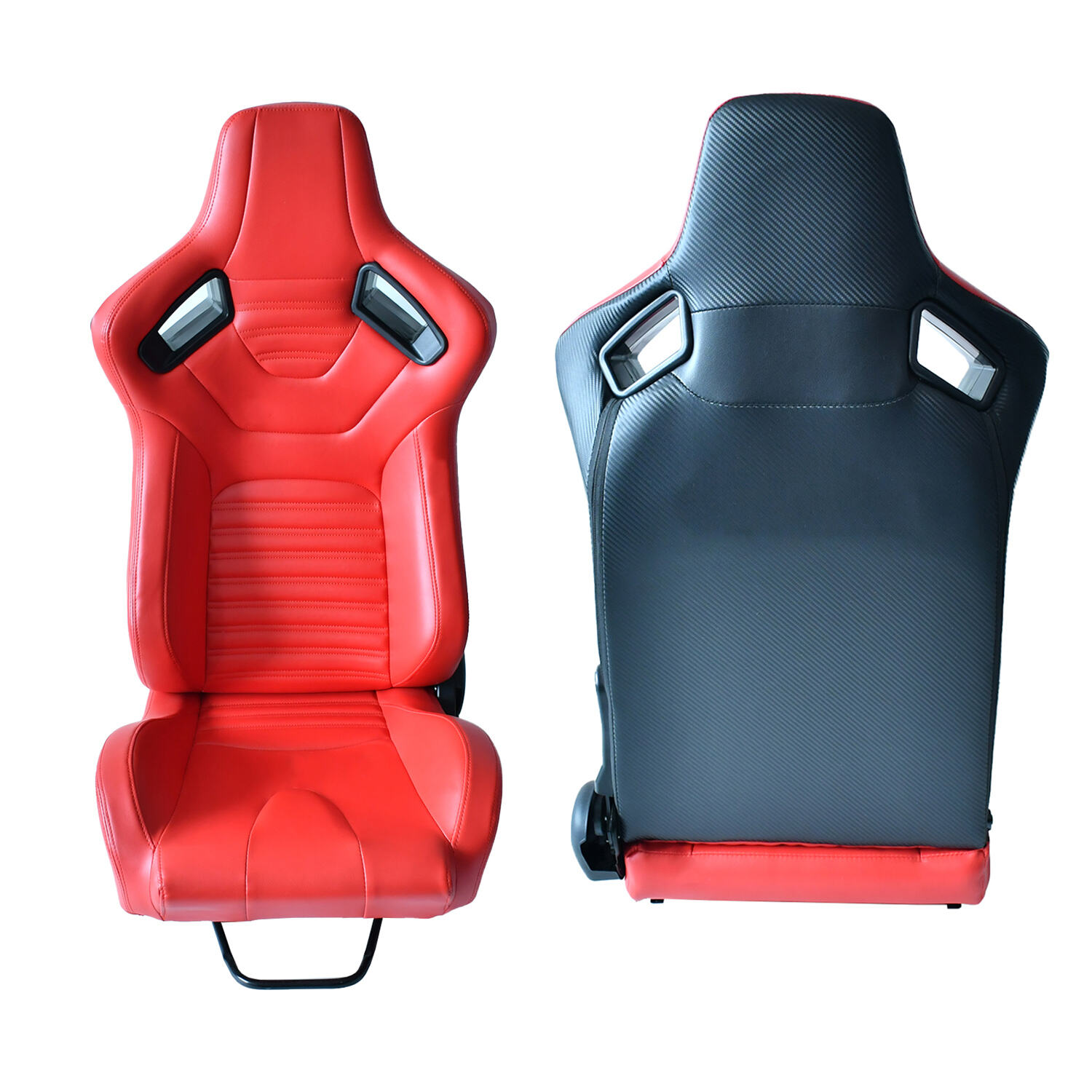
Racing seats represent a fundamental upgrade for any serious driver looking to enhance both performance and safety on the track. Unlike standard automotive seating, racing seats are engineered with precision to provide superior support, protection, and comfort during high-performance driving scenarios. These specialized seats have evolved from basic bucket-style designs into sophisticated safety equipment that can make the difference between winning and losing, or even between life and death in motorsport applications.

racing seats

The automotive racing industry has witnessed tremendous technological advancement over the past several decades, with safety equipment becoming increasingly sophisticated. Modern racing seats incorporate advanced materials, ergonomic design principles, and cutting-edge manufacturing techniques to deliver unparalleled performance. Professional drivers and weekend warriors alike recognize that proper seating can dramatically impact their driving experience, lap times, and most importantly, their safety during competitive events.

Understanding the Engineering Behind Racing Seats

Construction Materials and Design Philosophy

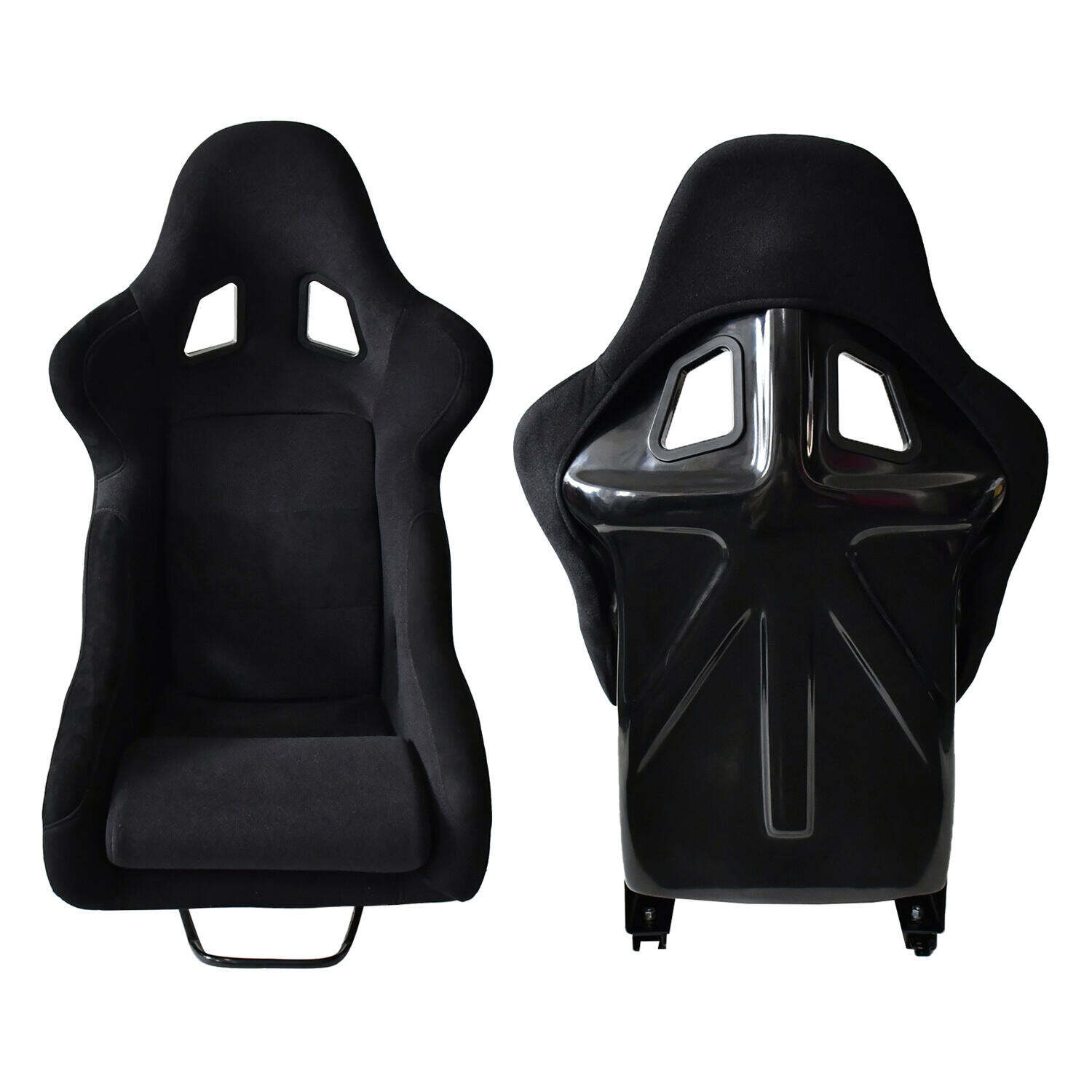
Modern racing seats utilize a combination of lightweight yet incredibly strong materials to achieve their performance characteristics. Carbon fiber shells provide exceptional rigidity while maintaining minimal weight, allowing for better vehicle balance and reduced unsprung mass. Fiberglass alternatives offer similar benefits at more affordable price points, making racing seats accessible to a broader range of enthusiasts. The shell construction typically features multiple layers of composite materials, each serving specific structural and safety purposes.

The internal framework of racing seats incorporates steel reinforcement tubes strategically placed to meet FIA homologation standards. These tubes create a protective cage around the occupant while maintaining the seat's structural integrity during impact scenarios. Advanced manufacturing processes ensure consistent quality and reliability across production runs, with each seat meeting rigorous testing standards before reaching consumers.

Ergonomic Considerations and Driver Interface

Ergonomic design plays a crucial role in racing seats effectiveness, as drivers must maintain precise control inputs for extended periods. The seat's contour follows the natural curve of the human spine, providing support at critical contact points while allowing for necessary movement during driving maneuvers. Shoulder bolsters are positioned to prevent lateral movement during cornering, while thigh and knee supports maintain proper leg positioning for optimal pedal control.

Padding configuration varies depending on the intended application, with some racing seats featuring minimal cushioning for maximum feel and feedback. Professional-grade seats often incorporate multi-density foam systems that provide comfort during long races while maintaining the direct connection between driver and vehicle. The upholstery materials are selected for durability, fire resistance, and grip characteristics that help maintain driver position during aggressive driving.

Safety Features and Protection Systems

FIA Homologation Standards and Certification

The Federation Internationale de l'Automobile establishes comprehensive safety standards that racing seats must meet for competition use. These standards cover everything from material specifications to impact testing procedures, ensuring that racing seats provide adequate protection in various crash scenarios. FIA 8855-1999 and 8862-2009 standards represent the current benchmarks for racing seat safety, with newer revisions incorporating lessons learned from real-world motorsport incidents.

Homologated racing seats undergo extensive testing including lateral impact tests, frontal impact simulations, and flame resistance evaluations. The certification process requires manufacturers to demonstrate that their products can withstand forces far exceeding those experienced in typical automotive accidents. This rigorous testing ensures that drivers receive maximum protection when competing in sanctioned motorsport events.

Integration with Safety Equipment

Racing seats are designed to work seamlessly with other safety equipment including racing harnesses, head and neck restraint systems, and roll cage structures. The seat's mounting points are engineered to distribute impact forces throughout the vehicle's safety cell, reducing the likelihood of component failure during accidents. Proper integration requires careful attention to mounting angles, harness routing, and clearance measurements to ensure optimal protection.

Modern racing seats incorporate specific mounting provisions for various safety systems, including slots for harness belts and mounting points for head and neck restraint devices. The seat's design must accommodate the driver while wearing a full safety suit and helmet, maintaining proper positioning relative to the vehicle's safety systems. Professional installation and regular inspection are essential to maintain the integrity of these safety connections.

Performance Benefits and Driver Advantages

Enhanced Vehicle Control and Feedback

The primary performance benefit of racing seats lies in their ability to maintain consistent driver positioning during dynamic driving conditions. Standard automotive seats allow excessive body movement during cornering, acceleration, and braking, forcing drivers to use muscle energy to maintain position rather than focusing on vehicle control. Racing seats eliminate this distraction by providing secure support at all critical contact points.

The rigid construction of racing seats transmits vehicle feedback more directly to the driver, improving their ability to sense tire grip levels, weight transfer characteristics, and suspension behavior. This enhanced communication allows for more precise control inputs and faster lap times, as drivers can respond to changing track conditions with greater accuracy. The improved feedback loop between driver and vehicle creates a more intuitive driving experience that builds confidence and performance.

Reduced Driver Fatigue and Improved Endurance

Long racing sessions place tremendous physical demands on drivers, making fatigue management a critical performance factor. Racing seats reduce the muscular effort required to maintain proper driving position, allowing drivers to conserve energy for more important tasks like vehicle control and strategic decision-making. The ergonomic support provided by racing seats helps prevent the development of pressure points and muscle cramps that can compromise performance.

Proper spinal alignment maintained by racing seats reduces the risk of back pain and related injuries that can sideline drivers for extended periods. The consistent positioning also improves breathing efficiency, allowing for better oxygen delivery to muscles during high-stress driving situations. These factors combine to extend the period during which drivers can maintain peak performance levels throughout racing events.

Applications Across Different Racing Disciplines

Circuit Racing and Track Day Events

Circuit racing represents the most demanding application for racing seats, with drivers experiencing sustained high G-forces during extended racing sessions. Professional racing series mandate specific seat certifications and installation requirements to ensure competitor safety across various racing formats. From Formula cars to touring car championships, racing seats must meet the unique demands of each racing discipline while providing consistent safety and performance benefits.

Track day enthusiasts increasingly recognize the benefits of racing seats for their high-performance driving activities. While not always requiring full FIA certification, track-focused racing seats provide significant safety and performance improvements over standard automotive seating. The investment in quality racing seats pays dividends in improved confidence, comfort, and safety during spirited driving sessions.

Drifting and Motorsport Specialties

Drifting presents unique challenges for racing seats, as drivers must maintain control while the vehicle operates at extreme slip angles for extended periods. The lateral forces generated during drift competitions require racing seats with exceptional side bolster support to prevent driver movement during sustained sideways motion. Professional drift drivers often specify racing seats with additional padding in high-contact areas to improve comfort during long competition runs.

Other motorsport disciplines including rallying, autocross, and hillclimb events each present specific requirements for racing seats. Rally drivers need seats that provide protection during potential impacts while allowing for the arm movement required for pace note reading. Autocross competitors prioritize lightweight racing seats that improve vehicle balance while providing adequate support for quick directional changes.

Selection Criteria and Installation Considerations

Sizing and Fitment Guidelines

Proper sizing represents the most critical aspect of racing seats selection, as incorrectly sized seats compromise both safety and performance benefits. Manufacturers provide detailed sizing charts that correlate driver measurements with appropriate seat models, considering factors including shoulder width, torso length, and thigh dimensions. Professional fitting services ensure optimal seat selection and positioning for competitive drivers.

The fit of racing seats directly impacts their effectiveness, with too-large seats failing to provide adequate support and too-small seats creating uncomfortable pressure points. Drivers should evaluate multiple seat options while wearing their typical racing gear to ensure proper fitment with helmets, suits, and other safety equipment. The investment in properly fitted racing seats pays significant dividends in comfort, safety, and performance over the long term.

Professional Installation and Safety Compliance

Professional installation ensures that racing seats provide maximum safety benefits while meeting regulatory requirements for competition use. Certified installers understand the specific mounting requirements, including proper seat positioning relative to the roll cage, pedal box, and steering wheel. The mounting hardware must meet or exceed manufacturer specifications, with regular inspection schedules maintaining system integrity over time.

Racing seats installation requires careful attention to mounting angles, as improper positioning can compromise safety system effectiveness during impact scenarios. The seat base must be securely attached to the vehicle's structure using appropriate brackets and hardware, with torque specifications followed precisely. Professional installers also ensure proper clearance for safety equipment and verify that all systems work together as intended.

Maintenance and Longevity Considerations

Inspection Protocols and Safety Verification

Regular inspection of racing seats ensures continued safety and performance throughout their service life. Visual inspections should identify any signs of damage including cracks in the shell, wear in mounting points, or deterioration of padding materials. Professional inspection services can identify potential issues before they compromise safety, extending the useful life of racing seats while maintaining their protective capabilities.

The inspection process includes verification of mounting hardware, checking for proper torque specifications, and ensuring that all safety equipment integration points remain secure. Racing seats that show signs of impact damage or excessive wear should be retired from service immediately, as compromised seats may fail to provide adequate protection during subsequent impacts.

Cleaning and Care Procedures

Proper maintenance extends the service life of racing seats while preserving their appearance and functionality. Cleaning procedures vary depending on the upholstery materials, with leather racing seats requiring different care than synthetic alternatives. Regular cleaning removes dirt, oils, and other contaminants that can accelerate material degradation and reduce the seats' aesthetic appeal.

The cleaning process should avoid harsh chemicals that might damage the seat materials or compromise their fire-resistant properties. Manufacturers typically provide specific care instructions that maintain warranty coverage while ensuring optimal performance throughout the seats' service life. Proper storage procedures protect racing seats during off-season periods, preventing damage from environmental factors.

FAQ

What makes racing seats different from regular car seats

Racing seats differ fundamentally from standard automotive seats in their construction, materials, and design philosophy. While regular car seats prioritize comfort for daily driving with features like electric adjustment and heating elements, racing seats focus on safety, support, and performance. They feature rigid shells made from carbon fiber or fiberglass, minimal padding for maximum feedback, and specialized mounting systems that integrate with safety equipment. Racing seats also meet specific safety certifications and undergo rigorous testing that standard seats do not require.

How do I know if racing seats will fit in my vehicle

Determining fitment for racing seats requires measuring both the driver and the vehicle's interior dimensions. Most manufacturers provide fitment guides that specify compatible vehicles and any required modifications. Key considerations include available floor space, clearance to the steering wheel and pedals, and compatibility with existing or planned roll cage installations. Professional consultation with racing seat specialists can help ensure proper fitment while identifying any necessary mounting brackets or modifications required for safe installation.

Are racing seats street legal for daily driving

The street legality of racing seats varies by jurisdiction and depends on several factors including airbag compatibility, seat belt integration, and local vehicle modification regulations. Many racing seats are designed specifically for competition use and may not meet street legal requirements due to their lack of airbag integration or proper seat belt mounting points. However, some manufacturers offer street-legal versions of their racing seats that maintain performance benefits while meeting regulatory requirements for road use.

How often should racing seats be replaced or inspected

Racing seats should undergo professional inspection at least annually or according to the schedule specified by the sanctioning body for competitive use. FIA-homologated racing seats typically have expiration dates printed on their certification labels, usually ranging from 5 to 10 years from the manufacture date. However, seats should be replaced immediately if they show any signs of damage from impacts, excessive wear, or structural deterioration regardless of their age. Regular inspection helps identify potential issues before they compromise safety, ensuring that racing seats continue to provide maximum protection throughout their service life.