
Get a Free Quote

Our representative will contact you soon.
Email
Name
Company Name
Message
0/1000

How Does a Car Steering Wheel Work in Modern Vehicles?

2026-02-04 20:58:00
How Does a Car Steering Wheel Work in Modern Vehicles?

The car steering wheel represents one of the most fundamental components in modern vehicle operation, serving as the primary interface between driver and machine. Understanding how a car steering wheel functions involves examining complex mechanical systems, hydraulic assistance, and electronic controls that work together to provide precise directional control. Modern automotive engineering has transformed the simple steering wheel into a sophisticated control center that integrates safety features, comfort enhancements, and advanced driver assistance technologies.

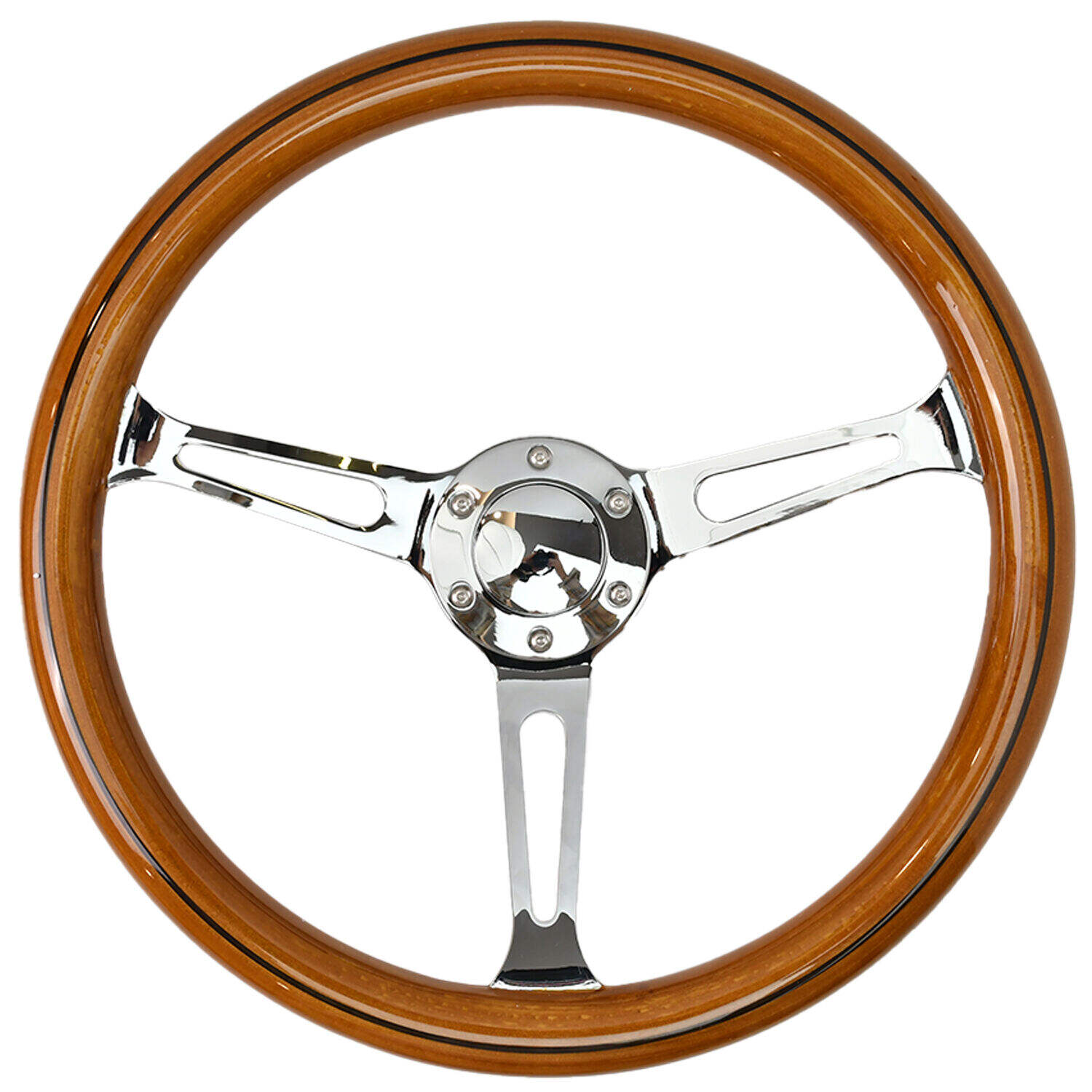
car steering wheel

Mechanical Foundation of Steering Systems

Basic Steering Geometry and Components

The car steering wheel connects to a complex network of mechanical components that translate rotational input into lateral wheel movement. The steering column houses the main shaft that transfers rotational force from the car steering wheel down to the steering gearbox. This system relies on precise engineering tolerances to ensure that every degree of wheel rotation corresponds to accurate directional changes in the front wheels. The steering ratio determines how many degrees the car steering wheel must turn to achieve a specific wheel angle, typically ranging from 12:1 to 20:1 in passenger vehicles.

Rack and pinion systems dominate modern vehicle design due to their efficiency and compact construction. When a driver rotates the car steering wheel, the pinion gear engages with the steering rack, converting rotational motion into linear movement. This linear motion pushes or pulls the tie rods, which connect to the steering knuckles and ultimately change wheel direction. The mechanical advantage provided by this system allows drivers to control heavy vehicles with relatively minimal effort while maintaining precise control over steering response.

Steering Column Integration and Safety Features

Modern steering columns incorporate multiple safety mechanisms beyond basic directional control. Collapsible steering columns feature telescoping sections designed to compress during frontal impacts, reducing injury risk to drivers. The car steering wheel itself contains airbag deployment systems that activate within milliseconds of collision detection. These safety features require precise mechanical integration to ensure reliable operation while maintaining normal steering functionality during regular driving conditions.

Tilt and telescoping adjustments allow drivers to customize car steering wheel position for optimal ergonomics and visibility. These adjustment mechanisms use locking systems that secure the steering column in the desired position while maintaining structural integrity during normal operation and emergency situations. Advanced vehicles may include memory settings that automatically adjust the car steering wheel position based on driver profiles stored in the vehicle's electronic systems.

Power Steering Technology and Operation

Hydraulic Power Steering Systems

Hydraulic power steering revolutionized vehicle control by reducing the physical effort required to turn the car steering wheel, especially during low-speed maneuvers and parking. The system uses an engine-driven pump to circulate hydraulic fluid through a network of hoses and valves connected to the steering gearbox. When the driver applies rotational force to the car steering wheel, a control valve opens to direct pressurized fluid to assist the steering motion, multiplying the applied force and making steering effort significantly lighter.

The hydraulic assistance varies based on steering input and vehicle speed, providing maximum assistance during parking maneuvers while reducing assistance at highway speeds for better road feel. Modern hydraulic systems incorporate variable-assist technology that adjusts power levels based on multiple vehicle parameters. This sophisticated control ensures that the car steering wheel provides appropriate feedback to the driver while maintaining easy maneuverability in all driving conditions.

Electric Power Steering Innovation

Electric power steering represents the latest evolution in steering technology, replacing hydraulic systems with electric motors and electronic control units. These systems offer superior fuel efficiency by eliminating the constant parasitic load of hydraulic pumps while providing more precise control over steering assistance levels. The electric motor can be mounted on the steering column, steering rack, or steering gear, depending on vehicle design requirements and performance objectives.

Electronic control systems monitor car steering wheel position, vehicle speed, and driver input to calculate optimal assistance levels in real-time. This technology enables features like speed-sensitive steering, where assistance decreases at higher speeds to improve stability and road feel. Advanced electronic power steering systems can integrate with stability control systems to provide corrective steering inputs during emergency maneuvers or when loss of traction is detected.

Electronic Controls and Integration

Steering Wheel Controls and Interfaces

Modern car steering wheel designs incorporate extensive electronic controls that allow drivers to operate various vehicle systems without removing their hands from the wheel. These controls typically include audio system adjustments, cruise control settings, communication system interfaces, and climate control functions. The integration of these controls requires sophisticated wiring harnesses that route through the steering column while accommodating the rotational movement of the car steering wheel during normal operation.

Clock spring assemblies enable electrical connections between the stationary steering column and the rotating car steering wheel assembly. These devices use spiral-wound ribbon cables that can extend and contract as the wheel rotates while maintaining continuous electrical contact. This technology ensures that airbag systems, horn circuits, and steering wheel controls function reliably throughout the full range of steering motion without wire fatigue or connection interruption.

Advanced Driver Assistance Integration

Contemporary vehicles integrate steering systems with advanced driver assistance technologies that can provide automated steering inputs under specific conditions. Lane keeping assistance systems can apply gentle corrective forces through the car steering wheel to maintain proper lane position when lane departure is detected. These systems require sophisticated sensors, electronic control units, and precise motor control to provide seamless interaction between automated assistance and manual driver control.

Semi-autonomous driving features rely on electronic steering control to execute automated maneuvers like parallel parking or highway lane changes. The car steering wheel must provide clear feedback to indicate when automated systems are active while allowing immediate manual override when the driver takes control. This integration requires precise calibration of steering feel and response characteristics to ensure safe and intuitive operation in all driving modes.

Steering Response and Vehicle Dynamics

Steering Ratio and Response Characteristics

The relationship between car steering wheel input and wheel response significantly affects vehicle handling characteristics and driver experience. Quick steering ratios require less wheel rotation to achieve full lock but may feel overly sensitive at highway speeds. Slow steering ratios provide stability and precision during high-speed driving but require more effort during parking and low-speed maneuvers. Modern vehicles often employ variable steering ratios that change based on vehicle speed and driving conditions to optimize response characteristics.

Steering geometry parameters including caster, camber, and toe angles work together with car steering wheel input to determine vehicle tracking and stability characteristics. Proper alignment ensures that the vehicle travels straight when the car steering wheel is centered and returns to center automatically after turns. These geometric relationships affect tire wear patterns, fuel efficiency, and overall vehicle safety, making precise steering system calibration essential for optimal performance.

Feedback and Road Feel Optimization

Effective steering systems provide appropriate feedback through the car steering wheel to communicate road conditions and vehicle behavior to the driver. This feedback includes information about surface texture, traction levels, and impending loss of grip that enables drivers to make informed decisions about speed and steering inputs. Balancing assistance levels with feedback quality requires careful tuning of power steering systems to maintain driver connection with vehicle dynamics.

Advanced steering systems incorporate variable damping and resistance characteristics that adapt to driving conditions and driver preferences. Sport modes may increase steering effort and reduce assistance to provide enhanced feedback and precision during enthusiastic driving. Comfort modes prioritize easy operation and smooth response for relaxed cruising conditions. These adaptive characteristics ensure that the car steering wheel provides optimal performance across diverse driving scenarios and user preferences.

Maintenance and Service Considerations

Routine Maintenance Requirements

Proper maintenance of steering systems ensures safe and reliable car steering wheel operation throughout vehicle service life. Hydraulic power steering systems require regular fluid changes to prevent contamination and component wear. The steering fluid lubricates internal components and transmits hydraulic pressure, making fluid quality critical for system longevity. Regular inspection of fluid levels and color can identify potential problems before they result in steering system failure or expensive repairs.

Mechanical components including tie rod ends, ball joints, and steering gearboxes require periodic inspection and replacement as they wear during normal operation. Loose or worn components can cause excessive play in the car steering wheel, poor tracking, or unstable handling characteristics. Professional alignment services ensure that steering geometry remains within manufacturer specifications, preventing premature tire wear and maintaining optimal vehicle handling characteristics.

Electronic System Diagnostics and Calibration

Modern electronic steering systems require specialized diagnostic equipment to identify and resolve system problems. Electronic control units monitor numerous sensors and provide fault codes when abnormal conditions are detected. These diagnostic capabilities enable technicians to quickly identify specific components requiring attention rather than performing extensive manual troubleshooting procedures. Regular software updates may be required to maintain optimal car steering wheel response characteristics and integrate with evolving vehicle systems.

Steering angle sensors require calibration after alignment services or component replacement to ensure accurate communication with stability control and advanced driver assistance systems. Improper calibration can result in false activation of safety systems or degraded performance during emergency maneuvers. Professional service facilities use manufacturer-specific procedures and equipment to ensure that car steering wheel position sensors provide accurate data to all connected vehicle systems.

Future Developments in Steering Technology

Steer-by-Wire Technology

Emerging steer-by-wire systems eliminate mechanical connections between the car steering wheel and front wheels, replacing them with electronic controls and actuators. This technology offers unprecedented flexibility in steering response tuning and enables features impossible with mechanical systems. Variable steering ratios can change continuously based on vehicle speed, driving mode, and road conditions without complex mechanical mechanisms. Steer-by-wire systems also enable unique vehicle layouts and autonomous driving capabilities that traditional steering systems cannot accommodate.

Safety redundancy becomes critical in steer-by-wire implementations since electronic failure could result in complete loss of steering control. Multiple independent control systems, backup power supplies, and fail-safe mechanisms ensure that steering capability remains available even during component failures. These systems require extensive testing and certification to meet automotive safety standards while providing the performance and reliability that drivers expect from conventional car steering wheel systems.

Autonomous Vehicle Integration

Fully autonomous vehicles will transform the role of the car steering wheel from primary control interface to optional manual override device. Retractable or removable steering wheels may become common in vehicles designed for autonomous operation, appearing only when manual control is required or desired. These systems must seamlessly transition between automated and manual control modes while maintaining safety and providing clear indication of operational status to vehicle occupants.

Haptic feedback technology will likely enhance future car steering wheel designs by providing tactile information about automated system status, navigation directions, or hazard warnings through vibration patterns or resistance changes. These communication methods can supplement visual and auditory alerts while keeping the driver's attention focused on the road ahead. Advanced haptic systems may simulate road feel and vehicle dynamics even in fully electronic steering implementations, maintaining the driver connection that makes manual vehicle control intuitive and enjoyable.

FAQ

What makes power steering different from manual steering in terms of car steering wheel operation

Power steering systems assist the driver by amplifying the force applied to the car steering wheel, making it much easier to turn, especially at low speeds or when parking. Manual steering requires the driver to provide all the force needed to turn the wheels, which can be quite substantial in larger vehicles. Power steering uses hydraulic or electric assistance to multiply the driver's input, reducing the physical effort required while maintaining precise control over vehicle direction.

How does electronic power steering compare to hydraulic power steering

Electronic power steering offers better fuel efficiency since it only consumes energy when steering assistance is needed, unlike hydraulic systems that run continuously. Electric systems provide more precise control over assistance levels and can be programmed to vary response based on driving conditions. However, some drivers prefer hydraulic systems for their more natural road feel and mechanical simplicity, though electronic systems are becoming increasingly sophisticated in replicating these characteristics.

Why does my car steering wheel vibrate and what should I do about it

Car steering wheel vibration typically indicates problems with wheel balance, alignment, or suspension components. Unbalanced wheels cause vibration that increases with speed, while alignment issues may cause the car steering wheel to vibrate during braking or at specific speeds. Worn suspension components, damaged tires, or warped brake rotors can also transmit vibrations through the steering system. Professional diagnosis and repair are recommended to identify and correct the root cause of steering vibration.

How often should I have my car steering wheel and steering system serviced

Regular steering system maintenance should include power steering fluid checks every 30,000 miles and replacement every 60,000-100,000 miles depending on manufacturer recommendations. The car steering wheel and related components should be inspected during routine maintenance for wear, damage, or looseness. Wheel alignment should be checked annually or if the vehicle pulls to one side, and any unusual steering behavior should be diagnosed promptly to prevent more expensive repairs or safety issues.