
Get a Free Quote

Our representative will contact you soon.
Email
Name
Company Name
Message
0/1000

When Should You Replace Your Car Steering Wheel Parts?

2026-02-26 20:59:00
When Should You Replace Your Car Steering Wheel Parts?

The car steering wheel serves as the primary interface between driver and vehicle, making its condition crucial for both safety and driving experience. Over time, various components within the steering system deteriorate due to regular use, environmental factors, and mechanical wear. Understanding when to replace your car steering wheel parts can prevent dangerous situations and ensure optimal vehicle control.

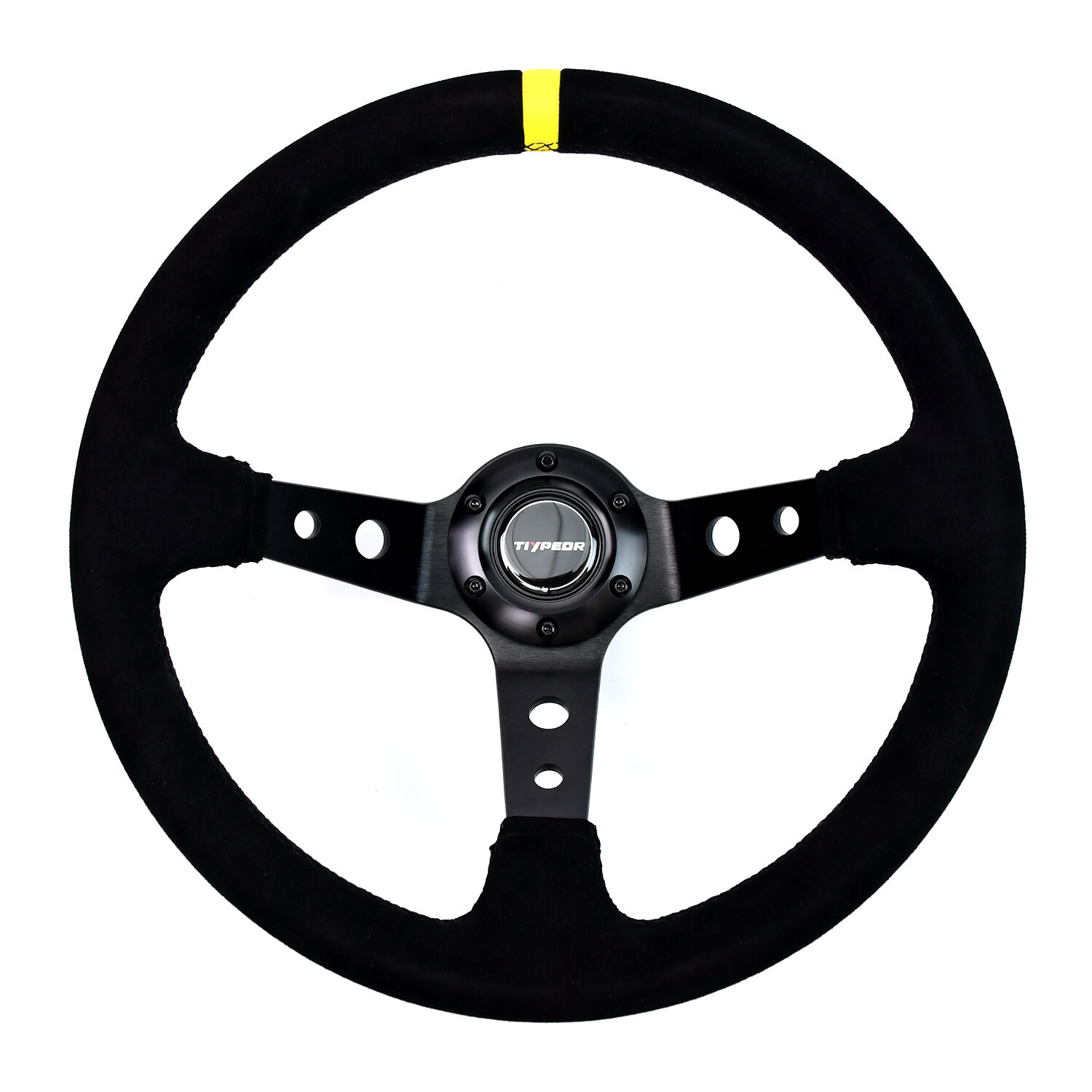
car steering wheel

Modern vehicles rely on sophisticated steering mechanisms that require periodic maintenance and component replacement. The car steering wheel assembly includes multiple interconnected parts that work together to provide precise directional control. When these components begin to fail, drivers may notice decreased responsiveness, unusual noises, or difficulty maintaining straight-line driving.

Professional mechanics recommend regular inspection of steering components to identify potential issues before they become safety hazards. The frequency of replacement depends on driving conditions, vehicle age, and maintenance history. Commercial vehicles and high-performance cars often require more frequent attention due to increased stress on steering systems.

Common Signs of Steering Wheel Component Failure

Physical Wear Indicators

Visual inspection of your car steering wheel can reveal several telltale signs of wear that indicate replacement necessity. Cracking or peeling of the steering wheel cover material represents more than cosmetic damage, as it can affect grip and comfort during extended driving sessions. Worn surfaces may become slippery when wet, creating potential safety risks during adverse weather conditions.

Excessive play or looseness in the car steering wheel mechanism typically signals worn internal components such as tie rods, ball joints, or steering rack bushings. When the steering wheel can be turned several degrees without corresponding wheel movement, immediate professional evaluation becomes essential. This condition significantly compromises vehicle control and represents a serious safety concern.

Discoloration or permanent staining of steering wheel materials often indicates deterioration of underlying foam padding or synthetic materials. While primarily aesthetic, these changes can affect the tactile feel and may coincide with structural degradation requiring replacement consideration.

Performance-Related Symptoms

Vibration felt through the car steering wheel during normal driving conditions frequently indicates issues with wheel balance, alignment, or steering component wear. These vibrations may intensify at specific speeds or during particular driving maneuvers, providing clues about the specific components requiring attention.

Difficulty returning to center position after turning represents another critical performance indicator. A properly functioning car steering wheel should naturally return to the straight-ahead position when released after completing a turn. Failure to self-center may indicate worn or damaged steering components that require immediate replacement.

Unusual resistance when turning the steering wheel, particularly at low speeds or when parking, often signals problems with power steering components or mechanical binding within the steering system. This symptom may progressively worsen and should prompt immediate professional inspection.

Critical Safety Considerations

Risk Assessment Guidelines

Safety considerations should always take precedence when evaluating car steering wheel component condition. Any symptom that affects vehicle control capability requires immediate attention, regardless of other factors such as cost or convenience. Professional assessment helps determine whether temporary repairs suffice or complete replacement becomes necessary.

High-mileage vehicles often experience multiple steering-related issues simultaneously, making comprehensive evaluation essential. Component failure patterns in older cars may indicate systemic wear requiring broader replacement strategies rather than individual part repairs. This approach often proves more cost-effective and provides better long-term reliability.

Environmental factors such as road salt exposure, extreme temperatures, and moisture can accelerate degradation of car steering wheel components. Vehicles operated in harsh conditions may require more frequent inspection and replacement schedules compared to those used in moderate climates.

Emergency Replacement Scenarios

Certain situations demand immediate car steering wheel component replacement regardless of scheduled maintenance intervals. Complete loss of power steering assistance, sudden appearance of excessive play, or mechanical binding during operation represent emergency conditions requiring immediate professional attention.

Accident damage, even seemingly minor impacts, can compromise steering system integrity in ways not immediately apparent. Professional inspection following any collision helps identify hidden damage that might not manifest until later. Insurance considerations may also affect replacement timing and component selection choices.

Recall notices or technical service bulletins from vehicle manufacturers sometimes identify specific car steering wheel components requiring replacement within certain timeframes. Staying informed about manufacturer communications helps ensure timely replacement of potentially problematic parts before failure occurs.

Replacement Timing Strategies

Preventive Maintenance Scheduling

Proactive replacement of car steering wheel components based on mileage intervals and usage patterns helps prevent unexpected failures and associated safety risks. Fleet operators and commercial vehicle owners often implement scheduled replacement programs that balance cost considerations with operational reliability requirements.

Regular inspection intervals should coincide with other scheduled maintenance activities such as oil changes or tire rotations. This approach maximizes efficiency and helps identify multiple issues simultaneously. Documenting inspection findings creates historical records useful for predicting future replacement needs.

Seasonal considerations may influence optimal replacement timing for certain car steering wheel components. Replacing worn parts before harsh winter driving conditions or extended summer road trips helps ensure reliable performance when vehicle dependability becomes most critical.

Cost-Benefit Analysis

Economic factors often influence replacement timing decisions, particularly for older vehicles where repair costs may approach or exceed vehicle value. Comparing replacement costs against potential safety risks and ongoing maintenance expenses helps determine the most appropriate course of action for individual circumstances.

Group replacement of related car steering wheel components during single service appointments often provides cost savings compared to individual replacement over time. Labor charges represent significant portions of total repair costs, making comprehensive replacement strategies financially advantageous in many situations.

Warranty considerations may affect replacement timing decisions, particularly for newer vehicles where original manufacturer warranties still apply. Understanding coverage limitations and exclusions helps optimize replacement timing to maximize warranty benefits while maintaining vehicle safety and performance standards.

Professional vs DIY Replacement

Complexity Assessment

Replacing car steering wheel components involves varying levels of complexity depending on specific parts and vehicle design characteristics. Simple cosmetic replacements such as steering wheel covers may be appropriate for DIY approaches, while mechanical components typically require professional expertise and specialized tools for proper installation.

Modern vehicles incorporate electronic systems within steering assemblies that require programming or calibration following component replacement. These procedures often necessitate dealer-level diagnostic equipment and technical knowledge beyond typical DIY capabilities, making professional service essential for proper completion.

Safety system integration with car steering wheel assemblies, including airbag deployment mechanisms, requires specialized training and equipment for safe handling during replacement procedures. Improper handling can result in accidental deployment or system malfunction, creating serious safety hazards.

Quality and Warranty Considerations

Professional installation typically includes warranty coverage for both parts and labor, providing protection against premature failure or installation defects. This coverage often proves valuable for expensive steering system components where replacement costs can be substantial.

Quality control during professional installation helps ensure proper torque specifications, alignment settings, and system calibration that DIY approaches may not achieve consistently. These factors directly affect component longevity and overall vehicle safety performance.

Access to genuine manufacturer parts through professional service channels often provides superior quality and compatibility compared to aftermarket alternatives available to general consumers. This consideration becomes particularly important for critical safety components within car steering wheel assemblies.

FAQ

How often should car steering wheel components be inspected?

Car steering wheel components should be visually inspected monthly for obvious wear signs and professionally evaluated during regular maintenance intervals, typically every 12,000 to 15,000 miles. High-mileage vehicles or those operated in severe conditions may require more frequent professional inspection to identify potential issues before they compromise safety or performance.

What are the most common car steering wheel parts that need replacement?

The most frequently replaced car steering wheel components include tie rod ends, ball joints, steering rack bushings, and power steering pumps. Cosmetic elements such as steering wheel covers and trim pieces also require periodic replacement due to wear from regular contact with hands and environmental exposure over time.

Can I drive safely with minor car steering wheel issues?

Minor cosmetic issues with car steering wheel appearance generally do not affect immediate driving safety, but any mechanical problems such as excessive play, vibration, or difficulty turning should be addressed immediately. Even seemingly minor steering issues can rapidly deteriorate and create dangerous situations, particularly during emergency maneuvers or adverse weather conditions.

How much does car steering wheel component replacement typically cost?

Car steering wheel component replacement costs vary significantly based on specific parts, vehicle make and model, and labor requirements. Simple cosmetic replacements may cost under $100, while complete steering rack replacement can exceed $1,500 including professional installation. Obtaining multiple quotes from qualified service providers helps ensure fair pricing for necessary repairs.