
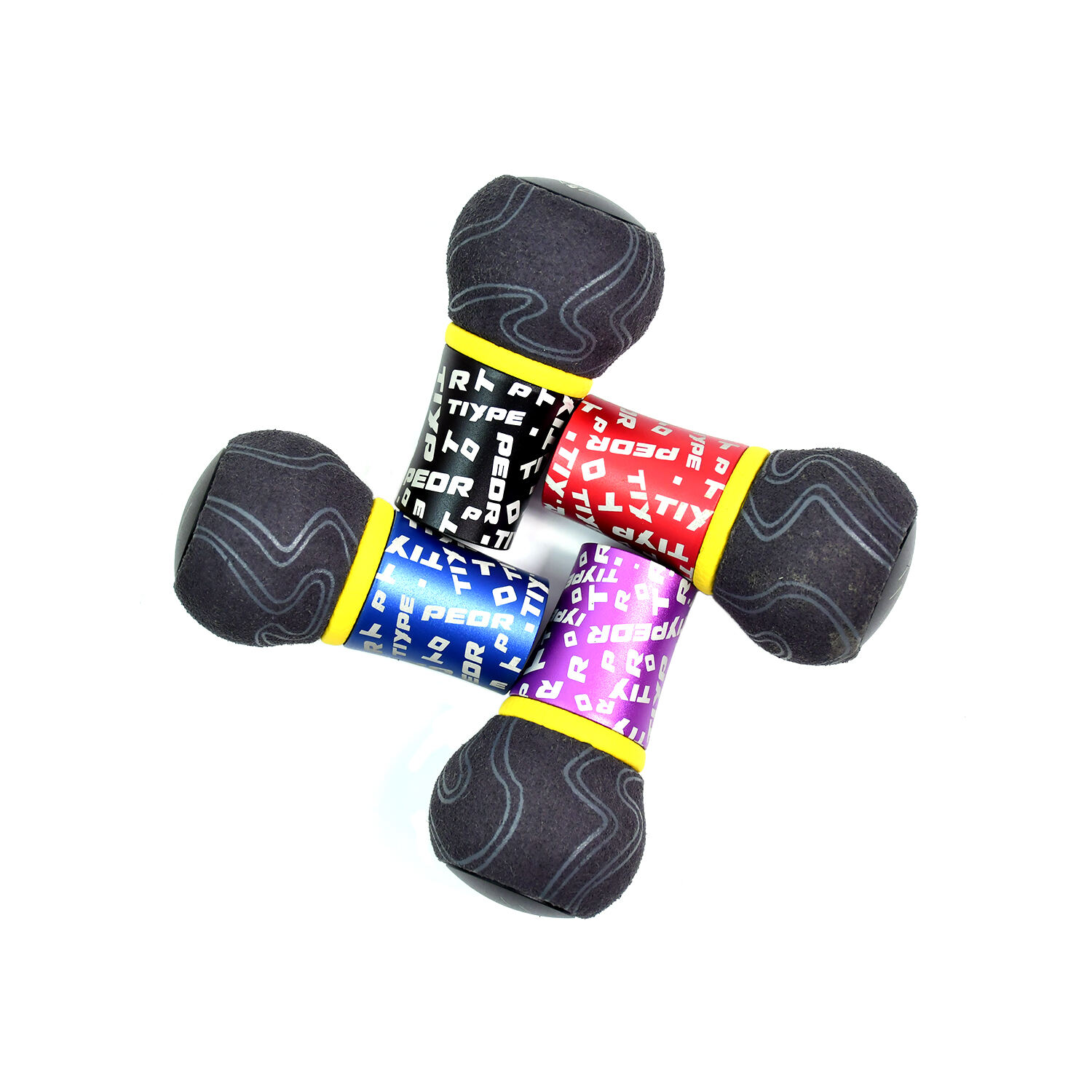
O interior do seu veículo serve como seu santuário particular durante cada viagem, e até os menores detalhes podem ter um impacto significativo no apelo estético geral. Entre essas modificações sutis, mas poderosas, um câmbio personalizado se destaca como uma das formas mais eficazes de transformar a cabine do seu carro de comum para extraordinário. Este componente aparentemente simples não apenas melhora o apelo visual do seu interior, mas também proporciona uma conexão tátil entre o motorista e a máquina que eleva toda a experiência de condução.
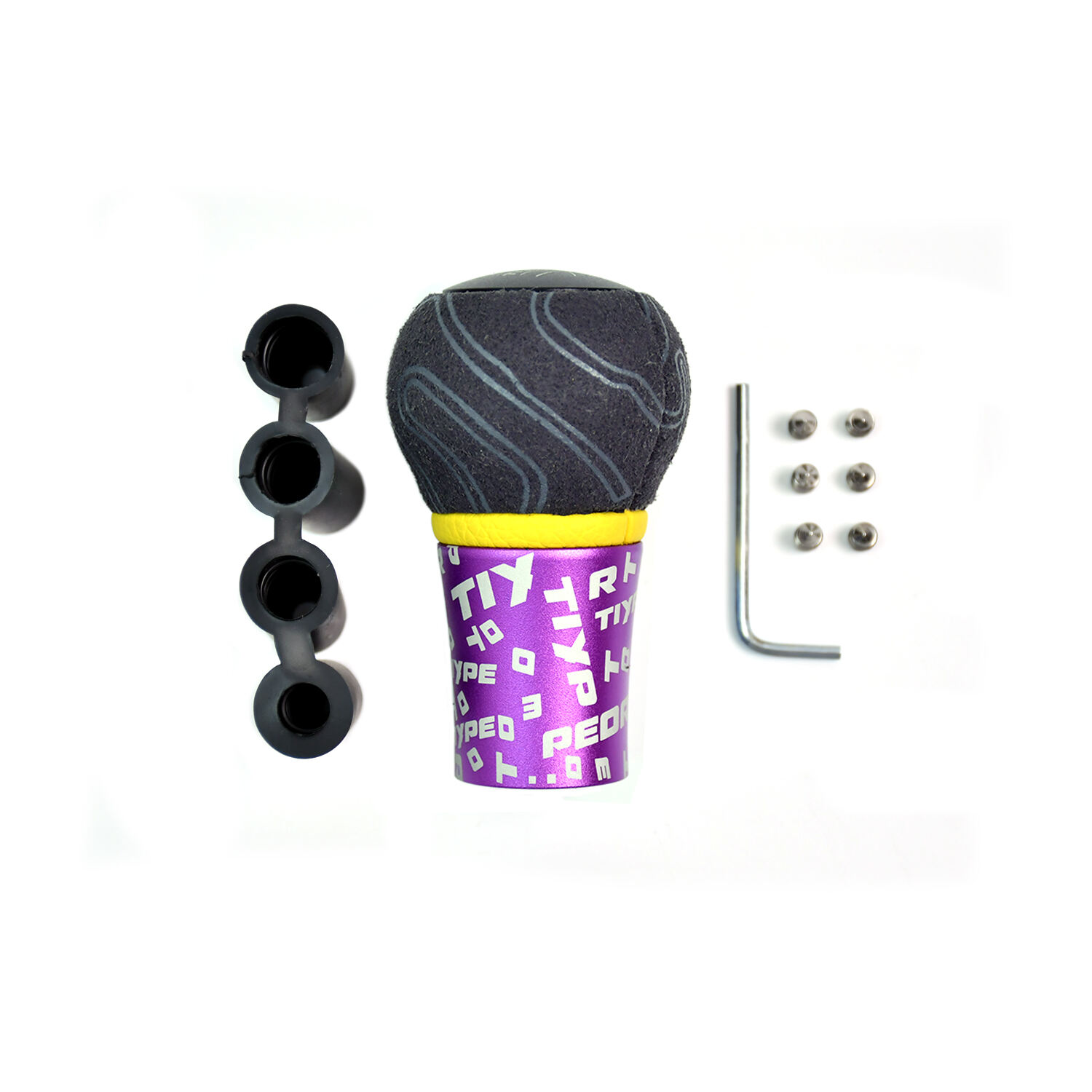
O mercado de reposição automotivo reconheceu a crescente demanda por personalização interna, com entusiastas buscando cada vez mais maneiras de personalizar seus veículos além das modificações tradicionais no exterior. Um seletor de marchas bem escolhido atua como um ponto focal que atrai o olhar e cria um tema de design coeso em todo o interior do veículo. Se você prefere estética moderna e elegante, designs inspirados em modelos vintage ou elementos agressivos no estilo corrida, o seletor de marchas ideal pode ser o toque final perfeito que une todo o seu conceito de interior.
Além da simples aparência, o câmbio representa uma interface crítica entre o ser humano e a máquina, tornando seu design e seleção de materiais essenciais para forma e função. O peso, textura e ergonomia deste componente influenciam diretamente a experiência de troca de marchas, enquanto sua presença visual contribui significativamente para a qualidade percebida e o caráter do espaço interior. Compreender como diferentes designs, materiais e acabamentos de câmbio podem transformar a estética do seu interior ajudará você a tomar decisões informadas sobre esta modificação importante.
Seleção de Materiais e Impacto Visual
Acabamentos Metálicos Premium
Botões metálicos do câmbio oferecem sofisticação e durabilidade incomparáveis, criando uma impressão imediata de qualidade e orientação para o desempenho. Botões de câmbio em alumínio com acabamentos anodizados proporcionam uma sensação leve ao mesmo tempo que garantem excepcional resistência à corrosão e uma aparência premium que complementa os designs modernos de interiores. As propriedades reflexivas do alumínio polido criam profundidade visual e podem ajudar a clarear esquemas de cores internas mais escuras.
As opções em aço inoxidável proporcionam um toque mais maciço e um apelo atemporal que funciona excepcionalmente bem tanto com temas interiores contemporâneos quanto clássicos. O brilho natural do aço inoxidável desenvolve uma pátina única ao longo do tempo, acrescentando caráter e autenticidade à experiência de condução. Esses materiais também oferecem excelentes propriedades térmicas, permanecendo confortáveis ao toque em uma ampla gama de temperaturas, mantendo seu apelo visual por anos de uso.
Opções em Materiais Exóticos
Os botões do câmbio em fibra de carbono ganharam imensa popularidade entre entusiastas de desempenho que buscam criar uma estética inspirada em corrida. O padrão distinto do tecido da fibra de carbono adiciona textura visual e cria uma conexão imediata com aplicações automotivas de alto desempenho. A escolha deste material demonstra intenção séria, ao mesmo tempo que permanece leve e oferece excelente durabilidade em condições exigentes.
O titânio representa o máximo em materiais exóticos para botões do câmbio, oferecendo uma relação resistência-peso excepcional e um tom azul-avermelhado único que se desenvolve naturalmente através da oxidação. A raridade e o custo elevado do titânio tornam-no uma peça marcante que transmite exclusividade e atenção aos detalhes. Quando combinado com usinagem de precisão e acabamento cuidadoso, os botões do câmbio em titânio tornam-se verdadeiras obras de arte automotiva que elevam qualquer design de interior.
Elementos de Design e Abordagens Estilísticas
Designs Geométricos e Minimalistas
Designs limpos e geométricos de botões de câmbio alinham-se perfeitamente com estéticas modernas de interiores que enfatizam simplicidade e design funcional. Formas esféricas e cilíndricas criam um apelo atemporal, garantindo ergonomia confortável durante longos períodos de condução. Esses designs funcionam particularmente bem em veículos com painéis contemporâneos e temas de interior minimalista.
Designs facetados agregam interesse visual por meio da reflexão da luz e jogo de sombras, criando efeitos visuais dinâmicos conforme as condições de iluminação mudam ao longo do dia. As superfícies angulares de botões de câmbio bem executados capturam e redirecionam a luz, adicionando brilho e movimento ao ambiente interno. Essa abordagem funciona especialmente bem quando coordenada com outros elementos de design geométrico ao longo da cabine.
Marca Personalizada e Personalização
A tecnologia de gravação a laser permite opções de personalização precisa que permitem aos condutores incorporar marcas pessoais, logotipos ou símbolos significativos diretamente em seus bola de Marcha design. Esse nível de personalização cria uma conexão única entre o motorista e o veículo, garantindo que nenhuma instalação seja exatamente igual a outra. A precisão do gravamento a laser moderno mantém detalhes nítidos e aparência profissional mesmo após anos de uso.
O gravamento com preenchimento colorido leva a personalização um passo adiante ao incorporar cores contrastantes nos desenhos gravados, criando afirmações visuais ousadas que podem ser coordenadas com as cores dos acabamentos internos ou com a pintura externa. Esta técnica permite desenhos complexos e múltiplas combinações de cores, mantendo durabilidade e resistência à descoloração em condições normais de condução.
Integração com Temas de Design de Interiores
Luxo e Estética Premium
Os interiores de veículos de luxo exigem seleções de botões de câmbio que mantenham consistência com materiais premium e linguagens de design sofisticadas. Botões de câmbio revestidos em couro com costuras contrastantes podem integrar-se perfeitamente a interiores com acabamentos em couro, adicionando riqueza tátil e continuidade visual. A seleção cuidadosa dos tipos de grãos do couro e dos padrões de costura permite uma coordenação perfeita com os elementos interiores existentes.
Botões de câmbio em cristal e madeira genuína representam o ápice dos acabamentos internos de luxo, oferecendo beleza natural e exclusividade que não podem ser replicadas por materiais sintéticos. Esses materiais orgânicos desenvolvem características únicas ao longo do tempo, criando um senso de autenticidade e conexão com a artesania tradicional, o que ressoa com entusiastas exigentes.
Temas de corrida e desempenho
Os interiores orientados para o desempenho beneficiam-se de seleções de manoplas de câmbio que transmitem velocidade, precisão e excelência técnica. Materiais leves, como alumínio ou fibra de carbono, reforçam o tema de desempenho ao proporcionar a sensação ágil e precisa de mudança de marchas exigida pelos condutores mais exigentes. Ranhuras acentuadas ou padrões texturizados melhoram o grip durante condução dinâmica, ao mesmo tempo que acrescentam interesse visual e autenticidade mecânica.
Acabamentos em cores fortes e gráficos inspirados em corrida podem transformar um interior básico numa cabine pronta para competição, que motiva e estimula uma condução confiante. Anodização vermelha, detalhes em arame de segurança e sistemas de fixação derivados do motorsport criam uma atmosfera autêntica de corrida, mantendo ao mesmo tempo funcionalidade e conforto adequados para uso urbano.
Considerações Ergonômicas e Conforto
Otimização de Forma e Tamanho
As dimensões físicas e contornos de um câmbio influenciam diretamente o conforto ao dirigir e a precisão nas trocas de marcha, tornando a seleção cuidadosa essencial tanto para sucesso estético quanto funcional. O diâmetro adequado garante um bom aperto sem causar fadiga nas mãos durante períodos prolongados de condução, enquanto a altura apropriada posiciona naturalmente a mão para trocas de marcha suaves.
Designs cônicos que são mais largos na base e mais estreitos no topo proporcionam um posicionamento natural da mão, criando proporções visualmente agradáveis que complementam a maioria dos designs de interior. Essa abordagem clássica tem se mostrado bem-sucedida ao longo de décadas de evolução do design automotivo e continua oferecendo o melhor equilíbrio entre conforto e apelo visual para a maioria das aplicações.
Textura e Aderência da Superfície
O tratamento de superfície desempenha um papel crucial tanto no conforto quanto na estética, com opções que variam de acabamentos espelhados a padrões de ranhura agressivos. Superfícies lisas ficam bem em fotografias e mantêm linhas limpas, mas podem se tornar escorregadias durante uma condução mais intensa ou em condições de clima quente. Uma texturização sutil proporciona melhor aderência sem comprometer a elegância visual.
A gestão da temperatura torna-se particularmente importante com botões de câmbio metálicos, pois temperaturas extremas podem tornar o contato desconfortável ou até doloroso. Texturização estratégica da superfície, barreiras térmicas ou seleção adequada de materiais podem resolver essas questões, mantendo as qualidades estéticas desejadas e garantindo conforto e usabilidade durante todo o ano.
Excelência na Instalação e Ajuste
Compatibilidade de Rosca e Montagem
O ajuste adequado começa com a compreensão específica do passo da rosca e dos requisitos de diâmetro da alavanca de câmbio do seu veículo, pois uma correspondência inadequada pode resultar em conexões soltas, vibração ou até falha do componente. A maioria dos veículos domésticos utiliza padrões de rosca grossa, enquanto muitas importações empregam especificações de rosca fina que exigem atenção cuidadosa aos detalhes.
Adaptadores de rosca permitem a compatibilidade entre botões de câmbio e veículos com diferentes especificações, abrindo possibilidades de design que de outra forma seriam impossíveis. Adaptadores de alta qualidade mantêm o alinhamento correto e fixação segura, preservando as características estéticas e funcionais pretendidas de ambos os componentes.
Ajuste de Altura e Posição
Atingir o posicionamento ideal do botão de câmbio geralmente exige uma consideração cuidadosa da altura total e da relação com os elementos interiores circundantes. Espaçadores de extensão ou alavancas de câmbio encurtadas podem ajustar finamente a posição final, garantindo um alcance confortável e um alinhamento adequado com a posição natural da mão do motorista durante as operações de troca de marchas.
A relação visual entre o botão de câmbio e os elementos interiores circundantes impacta significativamente o sucesso estético geral da instalação. O posicionamento correto garante que o botão de câmbio pareça intencionalmente integrado, em vez de adicionado como uma reflexão posterior, contribuindo para uma aparência coesa e profissionalmente acabada.
Perguntas Frequentes
Quais materiais oferecem o melhor equilíbrio entre estética e durabilidade para botões de câmbio?
O alumínio e o aço inoxidável oferecem excelentes combinações de atrativo visual, durabilidade e custo razoável, tornando-os escolhas populares para a maioria das aplicações. O alumínio proporciona leveza e resistência à corrosão, enquanto o aço inoxidável confere peso substancial e aparência atemporal. Ambos os materiais podem ser acabados em diversas texturas e cores para atender requisitos específicos de design, mantendo ao mesmo tempo durabilidade a longo prazo sob condições normais de uso.
Como determino a especificação correta da rosca para o meu veículo?
O método mais confiável envolve remover o seu botão de câmbio existente e medir as roscas expostas utilizando um calibrador de passo de rosca ou consultando o manual de serviço do seu veículo. A maioria dos veículos nacionais utiliza especificações de rosca 3/8-16 ou 7/16-20, enquanto os importados normalmente usam roscas métricas M10x1,25 ou M12x1,25. Em caso de dúvida, consultar especialistas automotivos ou fabricantes de botões de câmbio pode garantir a compatibilidade adequada e prevenir problemas de instalação.
Modificações no botão de câmbio podem afetar a cobertura da garantia do meu veículo?
A substituição do botão de câmbio geralmente representa uma modificação mínima que não deve impactar a cobertura da garantia para sistemas veiculares não relacionados, já que esses componentes são considerados itens de desgaste e acessórios de preferência pessoal. No entanto, quaisquer modificações que afetem o funcionamento da transmissão ou os sistemas de segurança poderiam potencialmente influenciar as considerações da garantia. É recomendável consultar seu concessionário ou revisar a documentação da garantia antes de fazer modificações, caso a cobertura da garantia seja uma preocupação primária.
Quais ferramentas e técnicas de instalação garantem resultados profissionais?
A maioria das instalações de botão de câmbio requer apenas ferramentas manuais básicas, sendo as considerações mais importantes o engajamento adequado da rosca e a aplicação de torque apropriado. O uso de composto travador de rosca evita soltura indesejada, ao mesmo tempo que permite a remoção futura quando necessário. Ter cuidado para proteger as superfícies internas adjacentes durante a instalação e garantir o alinhamento correto antes do aperto final resultará em instalações de qualidade profissional que realcem, e não diminuam, a estética do seu interior.
Sumário
- Seleção de Materiais e Impacto Visual
- Elementos de Design e Abordagens Estilísticas
- Integração com Temas de Design de Interiores
- Considerações Ergonômicas e Conforto
- Excelência na Instalação e Ajuste
-
Perguntas Frequentes
- Quais materiais oferecem o melhor equilíbrio entre estética e durabilidade para botões de câmbio?
- Como determino a especificação correta da rosca para o meu veículo?
- Modificações no botão de câmbio podem afetar a cobertura da garantia do meu veículo?
- Quais ferramentas e técnicas de instalação garantem resultados profissionais?