
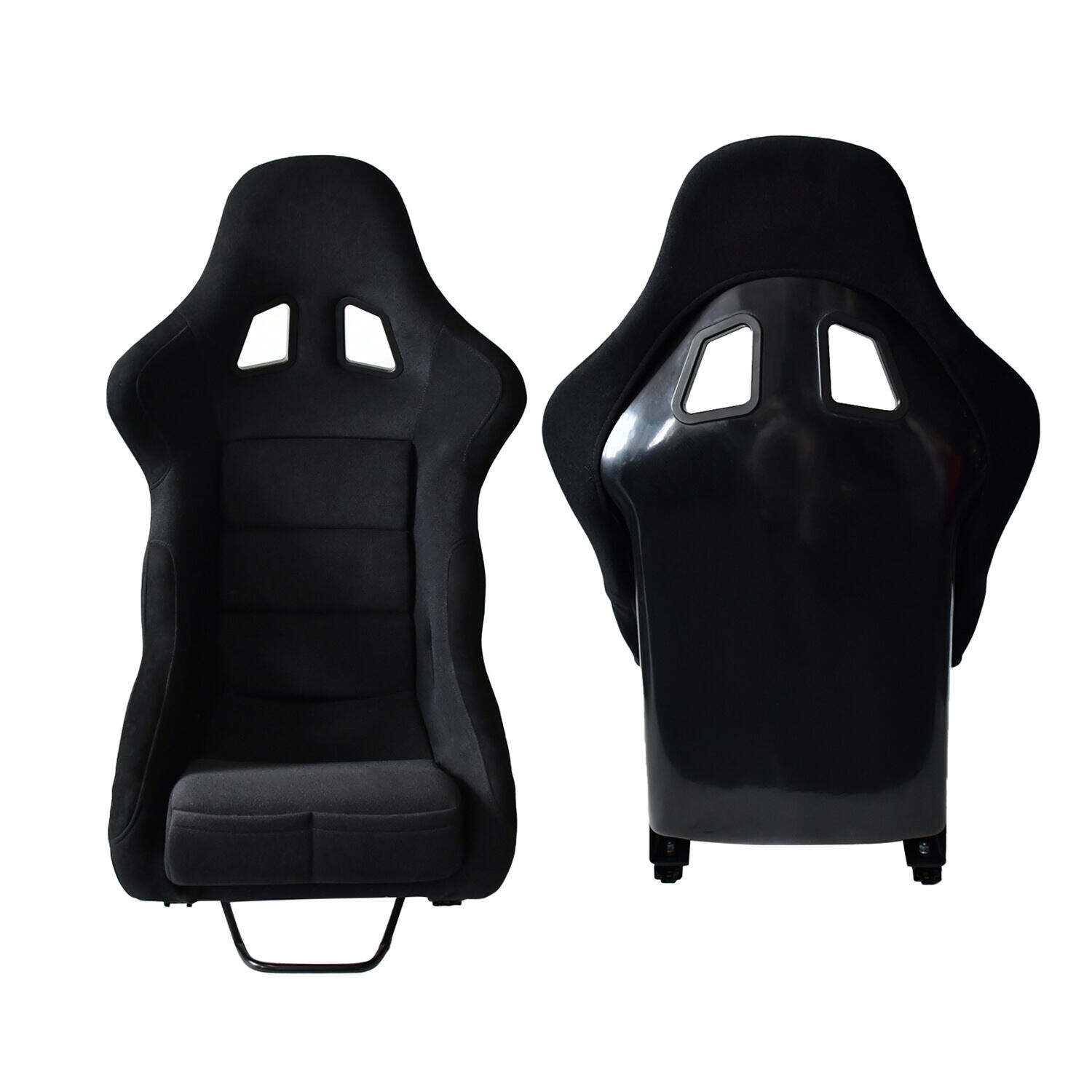
Os assentos esportivos representam uma das melhorias mais críticas para entusiastas sérios de automobilismo e motoristas voltados para desempenho. Ao contrário dos assentos automotivos convencionais, os assentos esportivos são projetados para oferecer suporte, segurança e controle superiores durante situações de condução de alto desempenho. Seja ao construir um veículo voltado para pista ou ao aprimorar as capacidades de desempenho do seu carro do dia a dia, a seleção dos assentos esportivos adequados exige uma análise cuidadosa de diversos fatores, como certificações de segurança, construção em materiais, compatibilidade de encaixe e aplicações específicas de uso.
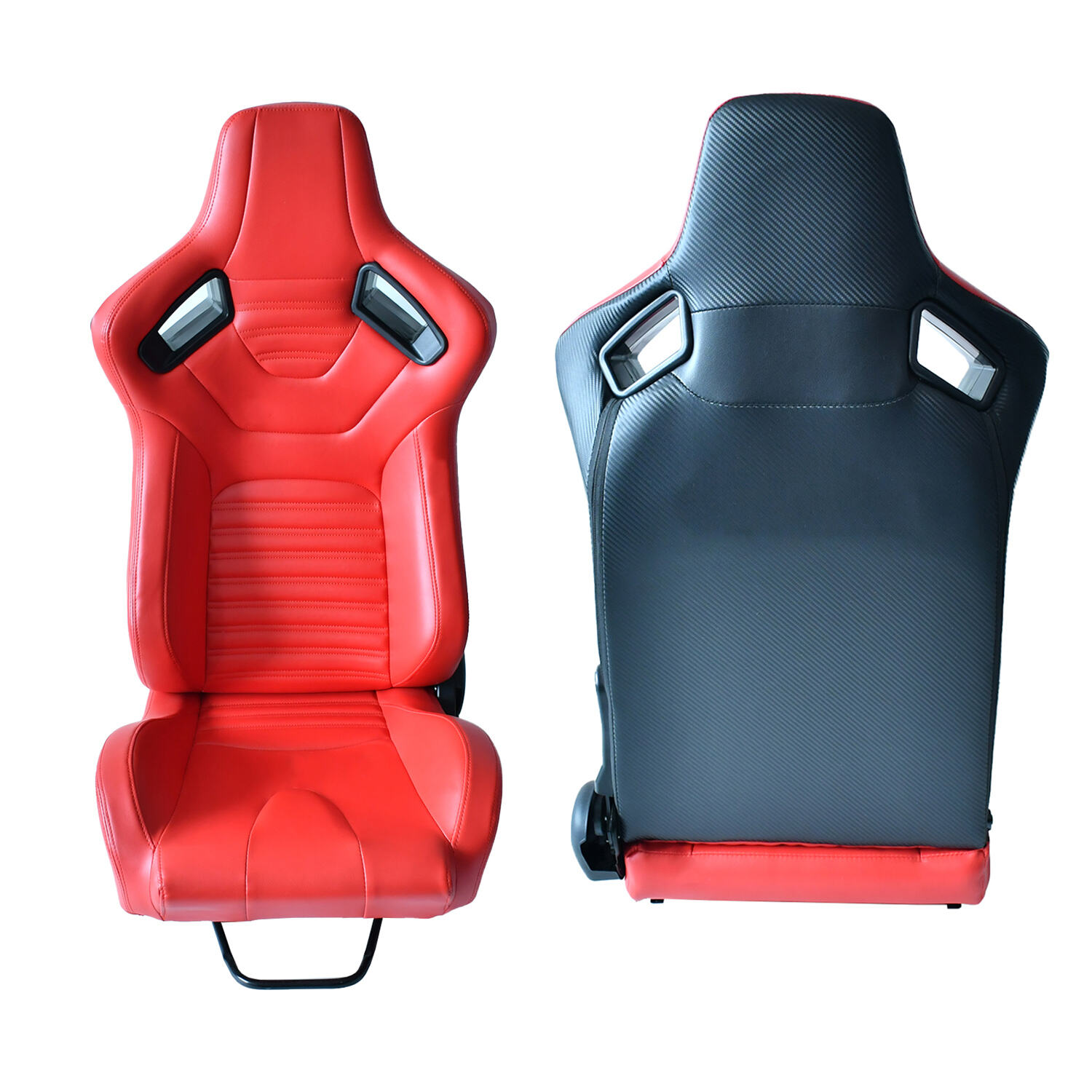
O mercado automotivo de reposição oferece uma ampla gama de opções de assentos para corridas, desde modelos de entrada acessíveis até unidades de nível profissional utilizadas em competições profissionais de automobilismo. Compreender as diferenças fundamentais entre as diversas categorias de assentos para corridas ajuda os pilotos a tomarem decisões informadas, alinhadas com seus requisitos de desempenho, normas de segurança e restrições orçamentárias. Os assentos modernos para corridas incorporam materiais avançados, designs ergonômicos e tecnologias de segurança que melhoram significativamente a experiência de condução, ao mesmo tempo que oferecem proteção essencial durante manobras agressivas ou cenários potenciais de impacto.
Compreendendo Corridas Sento Categorias e Aplicações
Assentos para Corridas com Encosto Fixo para Desempenho Máximo
Os assentos de corrida com encosto fixo representam o auge da tecnologia de assentos para automobilismo, projetados especificamente para ambientes competitivos de corrida, onde o máximo suporte e segurança são fundamentais. Esses assentos apresentam uma estrutura rígida em concha que elimina flexão e movimento, garantindo uma posição consistente do piloto ao longo de sessões prolongadas de corrida. Os assentos de corrida com encosto fixo normalmente incorporam reforços laterais profundos, apoios para a cabeça integrados e configurações especializadas de estofamento otimizadas para sistemas de cintos de segurança de arnês, em vez dos tradicionais cintos de segurança de três pontos.
Aplicações profissionais de corrida exigem assentos que atendam a certificações específicas de segurança, como os padrões de homologação da FIA, que garantem que o assento suporte forças extremas geradas durante colisões em alta velocidade. Assentos fixos para corrida são construídos com materiais leves, incluindo fibra de carbono, fibra de vidro ou materiais compostos avançados, que oferecem excelentes relações resistência-peso. O processo de instalação desses assentos frequentemente exige soluções personalizadas de fixação e pode necessitar da integração com uma estrutura de proteção (roll cage) para desempenho de segurança ideal.
Assentos Reclináveis para Corrida em Aplicações Rodoviárias
Assentos esportivos reclináveis oferecem um compromisso entre funcionalidade de desempenho e conforto para uso diário, tornando-os ideais para entusiastas que utilizam seus veículos tanto para condução dinâmica quanto para transporte regular. Esses assentos mantêm muitas das características de desempenho dos modelos com encosto fixo, ao mesmo tempo que incorporam mecanismos reguláveis do encosto, permitindo ajustes de conforto durante períodos prolongados de condução. Normalmente, os assentos esportivos reclináveis contêm almofadas removíveis, suporte lombar ajustável e compatibilidade com os sistemas de cintos de segurança originais de fábrica.
Os assentos esportivos voltados para uso urbano devem equilibrar requisitos de desempenho com considerações práticas, como facilidade de entrada e saída, conforto em viagens de longa distância e compatibilidade com a eletrônica existente do veículo. Muitos assentos esportivos reclináveis incorporam elementos de aquecimento, espuma com memória e contornos ergonômicos projetados para reduzir a fadiga durante sessões prolongadas de condução. O processo de instalação de assentos esportivos reclináveis é, em geral, mais direto do que o de unidades de encosto fixo, utilizando frequentemente os pontos de fixação existentes dos assentos, com modificações mínimas necessárias.
Normas de Segurança e Requisitos de Certificação
Normas de Homologação da FIA
A homologação da FIA representa o nível mais alto de certificação de segurança disponível para assentos de corrida, com normas desenvolvidas por meio de protocolos extensivos de ensaios que simulam cenários extremos de colisão. Os assentos de corrida aprovados pela FIA passam por uma avaliação rigorosa, incluindo ensaios de impacto frontal, avaliações de impacto lateral e exames de integridade estrutural sob diversas condições de carga. Essas normas de certificação garantem que os assentos de corrida suportem as forças encontradas nas competições profissionais de automobilismo, mantendo ao mesmo tempo a proteção do ocupante e a integridade estrutural.
Os requisitos de homologação da FIA especificam características mínimas de resistência dos materiais, metodologias de construção e procedimentos de ensaio que os fabricantes devem seguir durante o processo de desenvolvimento. Assentos para corridas com certificação FIA normalmente apresentam pontos de fixação reforçados, materiais especializados absorvedores de energia e elementos de design otimizados para uso com sistemas profissionais de cintos de segurança para corridas. O processo de certificação envolve laboratórios de ensaio independentes que verificam a conformidade com os parâmetros de segurança estabelecidos antes da concessão da aprovação.
Certificações da SFI Foundation
As especificações da SFI Foundation fornecem padrões alternativos de certificação de segurança amplamente reconhecidos nas competições automobilísticas norte-americanas, oferecendo protocolos abrangentes de ensaio para a avaliação de assentos de corrida. Os assentos de corrida certificados pela SFI são submetidos a procedimentos de ensaio que avaliam a integridade estrutural, a resistência do sistema de fixação e as capacidades de proteção do ocupante sob condições simuladas de corrida. Esses padrões garantem que os assentos de corrida atendam aos requisitos mínimos de segurança para diversas categorias de competição, incluindo arrancada (drag racing), corridas em circuito fechado (road racing) e corridas em pistas ovais (oval track).
Os programas de certificação SFI abrangem múltiplas categorias de especificações que atendem a diferentes aplicações de corrida e requisitos de segurança. Assentos de Corrida certificados segundo as normas SFI normalmente incorporam características como construção reforçada da carcaça, sistemas de almofadamento absorvedores de energia e hardware de fixação projetado para suportar forças de alto impacto. O processo de certificação envolve requisitos periódicos de recertificação que garantem a conformidade contínua com as normas de segurança em evolução e com os avanços tecnológicos.
Construção de Materiais e Considerações de Projeto
Materiais de Carcaça em Fibra de Carbono e Compósitos
A construção em fibra de carbono representa a escolha premium de material para assentos de corrida de alto desempenho, oferecendo características excepcionais de resistência combinadas com penalidades mínimas de peso. Os assentos de corrida em fibra de carbono utilizam técnicas avançadas de laminação de compósitos que criam estruturas rígidas em forma de concha, capazes de suportar forças extremas ao mesmo tempo que mantêm estabilidade dimensional consistente. O processo de fabricação envolve padrões precisos de orientação das fibras, que otimizam a distribuição da resistência em toda a estrutura do assento, garantindo proteção máxima em cenários de impacto.
Assentos de corrida compostos com elementos de fibra de carbono proporcionam características superiores de amortecimento de vibrações, o que melhora o conforto do condutor e reduz a fadiga durante sessões prolongadas de corrida. O processo de fabricação exige ferramentas especializadas, ambientes controlados de cura e procedimentos de controle de qualidade que garantem propriedades materiais consistentes em cada unidade de assento. Os assentos de corrida em fibra de carbono normalmente têm preços premium devido aos custos dos materiais e à complexidade da fabricação, mas oferecem características de desempenho inigualáveis para aplicações sérias no automobilismo.
Materiais compostos alternativos, incluindo reforços de fibra de vidro e Kevlar, oferecem soluções economicamente vantajosas que mantêm muitos dos benefícios de desempenho da construção em fibra de carbono, ao mesmo tempo que reduzem os requisitos globais de investimento. Esses materiais proporcionam características de resistência adequadas para a maioria das aplicações automobilísticas de corrida, além de oferecerem melhor capacidade de reparação em comparação com a construção pura em fibra de carbono. Assentos de corrida em compósito que utilizam construção em materiais mistos frequentemente incorporam zonas estrategicamente reforçadas que otimizam a proteção em áreas críticas de impacto.
Sistemas de Acolchoamento e Projeto Ergonômico
Sistemas avançados de acolchoamento em assentos modernos para corridas utilizam configurações de espuma de múltiplas densidades que oferecem características ótimas de suporte, mantendo o conforto durante períodos prolongados de uso. Assentos de corrida de alto desempenho incorporam compostos especiais de espuma que resistem à deformação permanente por compressão, mantêm propriedades de suporte consistentes em diferentes faixas de temperatura e proporcionam absorção adequada de energia em cenários de impacto. O projeto do sistema de acolchoamento influencia significativamente o conforto do piloto, os níveis de fadiga e o desempenho geral nas aplicações de corrida.
As considerações de design ergonômico em assentos de corrida concentram-se na manutenção de uma posição adequada do piloto, na redução de pontos de pressão e na acomodação de diversos tipos e tamanhos de corpo. Os assentos de corrida apresentam superfícies moldadas que seguem as curvas naturais da coluna vertebral, oferecem suporte adequado à coxa e mantêm relações ideais entre o alcance dos pedais. A configuração dos reforços laterais desempenha um papel crucial no suporte lateral durante manobras de curva, ao mesmo tempo que garante procedimentos confortáveis de entrada e saída.
Especificações de Dimensionamento e Encaixe
Determinação do Tamanho Adequado do Assento
O dimensionamento adequado representa um fator crítico na seleção de assentos para corridas, pois assentos com dimensões incorretas podem comprometer a segurança, o conforto e as características de desempenho. Os assentos para corridas normalmente estão disponíveis em várias categorias de tamanho, incluindo configurações pequena, média, grande e extragrande, que acomodam diferentes dimensões corporais e faixas de peso. Os fabricantes fornecem tabelas detalhadas de dimensionamento que especificam as recomendações de largura dos ombros, largura dos quadris e altura para cada modelo de assento, garantindo o encaixe ideal.
Os procedimentos profissionais de ajuste envolvem a medição de múltiplas dimensões corporais, incluindo largura dos ombros, circunferência dos quadris, comprimento do tronco e medidas das pernas, para determinar o tamanho adequado do assento de corrida. O processo de ajuste deve levar em conta a espessura do macacão de corrida, os requisitos de equipamentos de segurança e fatores de preferência pessoal que influenciam o conforto e a usabilidade. Assentos de corrida excessivamente grandes comprometem a eficácia do suporte lateral, enquanto assentos muito pequenos podem gerar pontos de pressão e restringir a circulação durante períodos prolongados de uso.
Considerações Específicas ao Veículo para Montagem
Os requisitos específicos de montagem para cada veículo influenciam significativamente a seleção de assentos de corrida, uma vez que diferentes configurações de chassi exigem soluções e componentes de montagem especializados. Os assentos de corrida devem ser posicionados de modo a manter relações adequadas entre os pedais, o alcance do volante e os ângulos de linha de visão, garantindo ao mesmo tempo folga suficiente para equipamentos de segurança e procedimentos de entrada no veículo. O sistema de montagem deve fornecer pontos de fixação seguros que distribuam eficazmente as cargas por toda a estrutura do veículo.
Soluções personalizadas de montagem podem ser necessárias para a instalação ideal de assentos esportivos, especialmente em veículos com configurações únicas do piso ou restrições de espaço. Serviços profissionais de instalação podem avaliar os requisitos específicos do veículo e desenvolver soluções de montagem que garantam o posicionamento adequado do assento, mantendo ao mesmo tempo os padrões de segurança. O sistema de montagem deve acomodar os requisitos de ajuste do assento, ao mesmo tempo que fornece uma fixação rígida que impeça qualquer movimento durante manobras de condução agressiva.
Características de Desempenho e Integração de Tecnologia
Compatibilidade com Cintos de Segurança e Integração de Segurança
Os assentos modernos para corridas incorporam características de design especificamente otimizadas para sistemas de cintos de segurança de múltiplos pontos, que oferecem contenção superior do ocupante em comparação com configurações tradicionais de cintos de segurança. Esses assentos contam com pontos integrados de fixação dos cintos, guias para as tiras dos cintos de ombro e configurações anti-submersão, que funcionam em conjunto com cintos de segurança profissionais para corridas. O projeto do assento deve permitir a correta passagem dos cintos, garantindo ao mesmo tempo uma distribuição ideal das cargas durante cenários de impacto.
Os requisitos de compatibilidade dos cintos de segurança variam conforme o projeto do assento de corrida e as aplicações pretendidas, sendo que os assentos profissionais de corrida normalmente possuem zonas reforçadas de fixação e pontos específicos para a instalação de componentes especiais. A integração entre os assentos de corrida e os sistemas de cintos de segurança forma um sistema abrangente de segurança que mantém a posição do ocupante durante manobras extremas, ao mesmo tempo que oferece proteção máxima em cenários de colisão. A instalação correta dos cintos exige compreensão dos ângulos de fixação, do trajeto das fitas e dos procedimentos de ajuste, garantindo desempenho ótimo em termos de segurança.
Recursos Avançados de Conforto e Conveniência
Assentos esportivos contemporâneos incorporam diversos recursos de conforto e conveniência que aprimoram a experiência de condução sem comprometer as características de desempenho. Assentos esportivos avançados podem incluir elementos integrados de aquecimento, sistemas de ventilação e mecanismos ajustáveis de suporte lombar, que melhoram o conforto durante sessões prolongadas de condução. Esses recursos são particularmente valiosos para assentos esportivos utilizados em veículos de dupla finalidade, que servem tanto para competição quanto para uso em vias públicas.
A integração de tecnologia em assentos esportivos modernos inclui compatibilidade com sistemas eletrônicos, como memória de posição do assento, sensores de peso e interfaces de comunicação, que ampliam a funcionalidade e a experiência do usuário. Alguns assentos esportivos incorporam interfaces de aquisição de dados que monitoram informações biométricas do ocupante ou características de carga aplicada ao assento durante cenários de condução de alto desempenho. Esses recursos avançados representam a evolução da tecnologia dos assentos esportivos rumo a sistemas abrangentes de apoio ao condutor.
Processo de instalação e considerações profissionais
Seleção e Instalação do Sistema de Montagem
A instalação profissional de assentos de corrida exige a seleção cuidadosa de sistemas de montagem adequados, que garantam o posicionamento correto, a conformidade com as normas de segurança e a confiabilidade a longo prazo. Os suportes para assentos de corrida devem ser projetados para suportar forças extremas, mantendo ao mesmo tempo um posicionamento preciso em toda a faixa operacional. A seleção do sistema de montagem depende dos requisitos específicos do veículo, das características de projeto do assento de corrida e das aplicações previstas.
Os procedimentos de instalação envolvem medições precisas, especificações adequadas de torque e procedimentos de verificação de segurança que garantem o desempenho ideal e a conformidade com as regulamentações aplicáveis. Os serviços profissionais de instalação dispõem de ferramentas especializadas, experiência e conhecimento necessários para a integração correta do assento de corrida, mantendo ao mesmo tempo os sistemas de segurança do veículo e a conformidade regulatória. O processo de instalação pode exigir modificações nas estruturas existentes do veículo, nos sistemas elétricos ou nas configurações dos equipamentos de segurança.
Testes e Ajustes Pós-Instalação
Procedimentos abrangentes de teste após a instalação do assento de corrida garantem o funcionamento adequado, a conformidade com as normas de segurança e o posicionamento ideal do motorista para aplicações de desempenho. Os protocolos de teste devem avaliar a estabilidade do assento, a faixa de ajuste, a integração com os sistemas de segurança e a funcionalidade geral sob diversas condições operacionais. Pode ser necessário seguir procedimentos adequados de amaciamento para novos assentos de corrida, a fim de alcançar características ideais de conforto e suporte.
Os procedimentos de ajuste para assentos de corrida recém-instalados envolvem o refinamento dos parâmetros de posição, do roteamento das cintas de segurança e das configurações de conforto, visando otimizar o desempenho e a satisfação do motorista. O processo de ajuste deve levar em conta diferentes condições de condução, aplicações específicas de corrida e preferências pessoais, mantendo ao mesmo tempo os padrões de segurança e a conformidade regulamentar. Os serviços profissionais de instalação normalmente oferecem suporte pós-instalação e orientações sobre ajustes, assegurando um desempenho ideal do assento de corrida durante todo o período de propriedade.
Perguntas Frequentes
Quais certificações de segurança devo procurar ao selecionar assentos para corridas
Ao selecionar assentos para corridas, priorize modelos com homologação da FIA ou certificação da SFI Foundation, pois esses padrões garantem que os assentos tenham passado por testes rigorosos de proteção em colisões e integridade estrutural. A certificação da FIA é preferida para aplicações profissionais em automobilismo, enquanto a certificação SFI é amplamente aceita nas competições automobilísticas norte-americanas. Verifique sempre se a certificação está vigente e é adequada à sua aplicação específica em corridas, pois diferentes categorias de competição podem exigir níveis específicos de certificação.
É possível instalar assentos para corridas em qualquer veículo
Assentos esportivos podem ser instalados na maioria dos veículos, mas o processo de instalação varia significativamente conforme a configuração do piso do veículo, os pontos de fixação existentes e as restrições de espaço. Em alguns veículos, são necessários suportes personalizados ou modificações no piso para acomodar adequadamente os assentos esportivos. Recomenda-se a instalação profissional para garantir o posicionamento correto, a conformidade com as normas de segurança e a compatibilidade com os sistemas existentes do veículo, como airbags e pré-tensionadores dos cintos de segurança.
Como determino o tamanho correto do assento esportivo para o meu tipo físico?
O dimensionamento adequado de assentos de corrida exige a medição da largura dos ombros, da circunferência do quadril e do comprimento do tronco, seguida da comparação dessas medidas com os quadros de dimensões fornecidos pelo fabricante. O assento de corrida ideal deve oferecer um suporte lateral firme, sem criar pontos de pressão, permitir entrada e saída confortáveis e manter o posicionamento correto em relação aos pedais e ao volante. Considere experimentar diferentes tamanhos de assento pessoalmente, sempre que possível, pois as proporções corporais individuais podem variar em relação às orientações padrão de dimensionamento.
Qual manutenção é necessária para assentos de corrida
Os assentos esportivos exigem inspeção regular dos componentes de fixação, limpeza dos materiais do estofamento e verificação periódica da integração com o sistema de segurança. Verifique se os parafusos de fixação estão apertados conforme as especificações de torque adequadas, inspecione o material da carcaça quanto a rachaduras ou danos e certifique-se de que os pontos de fixação do cinto permaneçam seguros. O estofamento deve ser limpo de acordo com as recomendações do fabricante, e quaisquer danos devem ser tratados imediatamente para manter as características de segurança e desempenho.
Sumário
- Compreendendo Corridas Sento Categorias e Aplicações
- Normas de Segurança e Requisitos de Certificação
- Construção de Materiais e Considerações de Projeto
- Especificações de Dimensionamento e Encaixe
- Características de Desempenho e Integração de Tecnologia
- Processo de instalação e considerações profissionais
- Perguntas Frequentes