
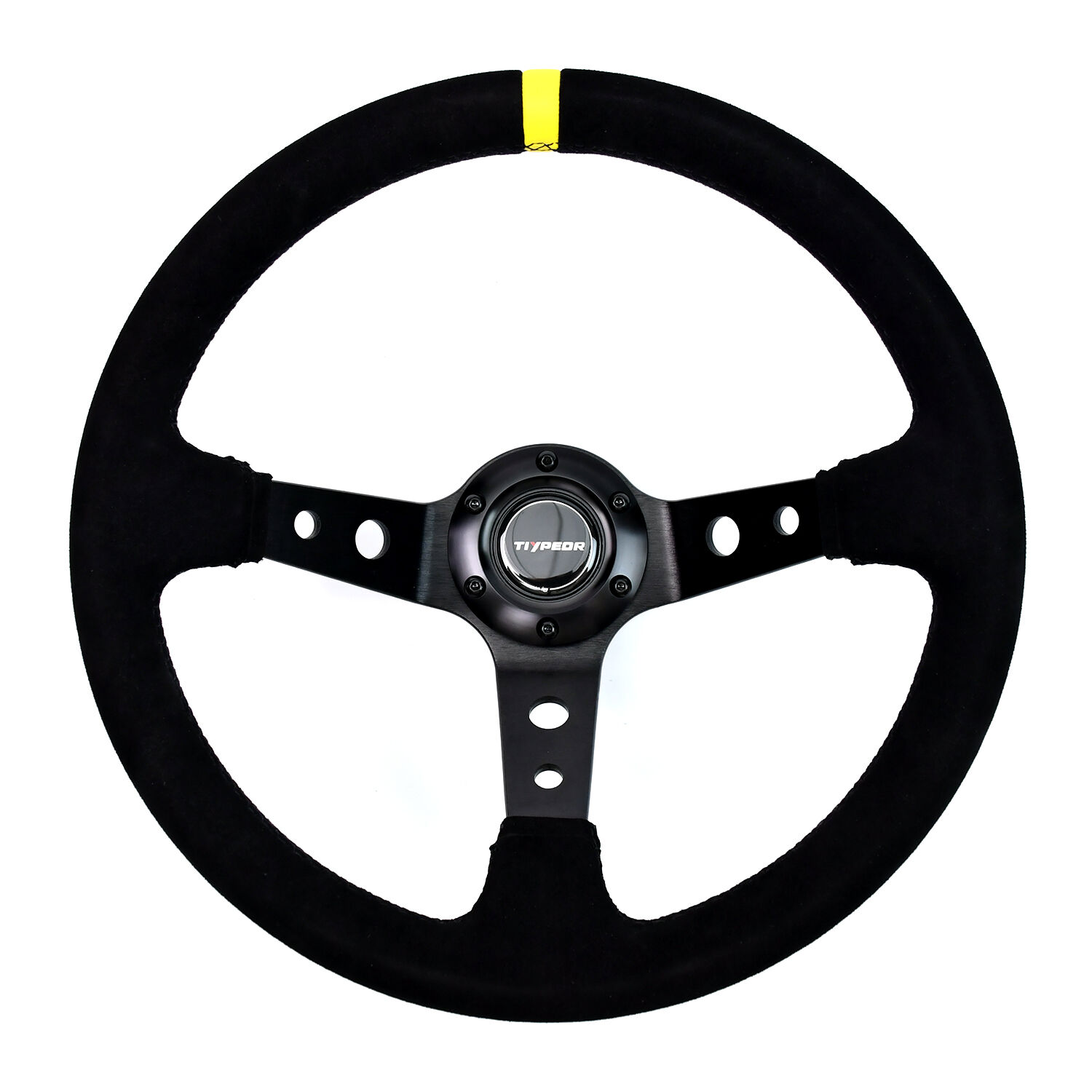
The intricacies of automotive engineering extend far beyond engine specifications and aerodynamic profiles, with steering wheel design playing a pivotal role in determining overall driving experience and vehicle control. Modern steering wheel design has evolved from simple functional components to sophisticated interfaces that directly influence driver feedback, precision, and responsiveness. Understanding how various design elements affect driving dynamics is crucial for both automotive manufacturers and enthusiasts seeking optimal performance characteristics.

Contemporary automotive engineering recognizes that steering wheel design significantly impacts driver confidence and vehicle handling characteristics. The relationship between wheel geometry, material selection, and ergonomic considerations creates a complex system that influences everything from daily commuting comfort to high-performance racing applications. Professional drivers and automotive engineers consistently emphasize how proper steering wheel design can enhance reaction times, reduce driver fatigue, and improve overall safety margins during critical driving situations.
Fundamental Design Elements Affecting Control Precision
Diameter and Its Impact on Control Sensitivity
The diameter of a steering wheel fundamentally alters the mechanical advantage and control sensitivity available to drivers. Smaller diameter wheels, typically ranging from 320mm to 350mm, provide increased responsiveness and reduced input effort, making them particularly valuable in racing applications where quick directional changes are essential. This reduced diameter allows drivers to make rapid corrections with minimal hand movement, enhancing overall control precision during high-speed maneuvers.
Larger diameter steering wheels, commonly found in commercial vehicles and luxury automobiles, offer greater leverage and reduced effort for parking and low-speed maneuvering. However, the trade-off involves slower steering response and increased hand movement requirements for significant directional changes. The optimal steering wheel design balances these competing factors based on the intended vehicle application and target driving scenarios.
Grip Circumference and Hand Positioning
The circumference of the steering wheel rim directly affects grip comfort and control precision over extended driving periods. Professional steering wheel design typically incorporates rim diameters between 28mm and 32mm to accommodate various hand sizes while maintaining secure grip characteristics. This dimension influences muscle fatigue rates and grip security during dynamic driving conditions.
Ergonomic considerations in steering wheel design extend beyond simple measurements to include grip texture, material properties, and surface contouring. Advanced designs incorporate subtle ridges and contoured surfaces that naturally guide hand placement while providing enhanced tactile feedback. These features become particularly important during spirited driving sessions where precise control inputs are critical for maintaining vehicle stability and performance.
Material Selection and Tactile Feedback Properties
Surface Materials and Grip Enhancement
Material selection in steering wheel design directly influences tactile feedback quality and grip security under various environmental conditions. Premium materials such as Alcantara, perforated leather, and specialized synthetic compounds provide enhanced grip characteristics while maintaining comfort during extended use. The surface texture and material density affect how vibrations and road feedback transmit through the steering system to the driver's hands.
Temperature resistance and moisture management capabilities of steering wheel materials significantly impact control consistency across different driving conditions. High-performance steering wheel design often incorporates materials that maintain grip properties regardless of ambient temperature or humidity levels. This consistency ensures reliable control inputs during critical driving situations where grip security directly affects safety and performance outcomes.
Structural Materials and Vibration Transmission
The core structural materials used in steering wheel design influence vibration transmission characteristics and overall system rigidity. Carbon fiber and aluminum cores provide excellent strength-to-weight ratios while maintaining precise vibration transmission properties. These materials allow drivers to feel subtle road surface changes and vehicle dynamics through the steering wheel design, enhancing situational awareness and control precision.
Advanced steering wheel design incorporates damping materials strategically positioned to filter unwanted vibrations while preserving essential feedback characteristics. This selective filtering approach ensures drivers receive meaningful tactile information about road conditions and vehicle behavior without experiencing excessive fatigue from harsh vibrations or road noise transmission through the steering system.
Geometric Configuration and Driver Interface
Rim Shape and Cross-Sectional Design
The cross-sectional shape of steering wheel rims significantly affects grip comfort and control precision during various driving scenarios. Circular cross-sections provide consistent grip characteristics regardless of hand rotation, while D-shaped or flattened configurations offer enhanced leg clearance and improved grip security during aggressive driving maneuvers. Modern steering wheel design often incorporates subtle variations in rim shape to optimize both comfort and performance characteristics.
Advanced geometric considerations in steering wheel design include thumb rest areas, finger grooves, and palm support regions that enhance natural hand positioning. These features reduce grip fatigue while maintaining precise control inputs during extended driving sessions. The integration of these ergonomic elements requires careful attention to anthropometric data and driving position optimization to ensure effectiveness across diverse driver populations.
Spoke Configuration and Structural Integrity
The number, positioning, and design of steering wheel spokes directly influence both structural integrity and visual aesthetics while affecting control characteristics. Three-spoke configurations provide excellent structural strength while offering clear instrument panel visibility, making them popular in performance-oriented applications. Four-spoke designs distribute loads more evenly and provide additional mounting locations for control switches and interface elements.
Modern steering wheel design increasingly incorporates asymmetrical spoke patterns that optimize both structural performance and ergonomic considerations. These advanced configurations position spokes to avoid interference with natural hand positions while maintaining the structural integrity required for safety systems integration. The spoke design also influences the overall weight distribution and rotational inertia of the steering system, affecting response characteristics and driver feedback quality.
Performance Applications and Specialized Requirements
Racing and High-Performance Configurations
High-performance and racing applications demand specialized steering wheel design characteristics that prioritize response precision and driver feedback over comfort considerations. Competition steering wheels typically feature reduced diameters, lightweight construction, and enhanced grip surfaces to maximize control precision during high-stress driving conditions. These designs often incorporate quick-release mechanisms and specialized mounting systems for safety and convenience in racing environments.
Professional racing steering wheel design integrates advanced materials and construction techniques to minimize weight while maximizing structural integrity and vibration transmission characteristics. Carbon fiber construction, titanium hardware, and specialized grip materials create steering systems that provide exceptional tactile feedback and control precision. These performance-oriented designs influence steering wheel design trends in high-performance road vehicles, bringing racing-derived benefits to enthusiast applications.
Comfort and Luxury Applications
Luxury vehicle applications require steering wheel design approaches that prioritize comfort, refinement, and sophisticated aesthetics while maintaining adequate control characteristics. Premium materials, heated surfaces, and integrated massage functions represent advanced features that enhance the driving experience without compromising control precision. These comfort-oriented designs must balance luxury features with the fundamental requirement for precise vehicle control.
Advanced comfort features in luxury steering wheel design include adaptive grip surfaces, climate control integration, and biometric sensors that monitor driver alertness and fatigue levels. These sophisticated systems demonstrate how steering wheel design continues evolving beyond basic control functions to become comprehensive driver interface systems that enhance both safety and comfort during vehicle operation.
Technology Integration and Future Developments
Electronic Control Integration
Modern steering wheel design increasingly incorporates sophisticated electronic control systems that enhance both functionality and safety characteristics. Touch-sensitive surfaces, haptic feedback systems, and integrated display elements transform traditional steering wheels into comprehensive vehicle control interfaces. These technological integrations require careful design consideration to maintain the fundamental tactile feedback and control precision characteristics essential for safe vehicle operation.
Advanced steering wheel design now includes force feedback systems that can actively communicate road conditions, navigation guidance, and safety warnings through tactile sensations. These systems enhance driver awareness while reducing visual distraction from traditional dashboard displays. The integration of such technology requires sophisticated engineering to ensure compatibility with existing steering system characteristics and safety requirements.
Adaptive and Customizable Features
Future steering wheel design developments focus on adaptive characteristics that automatically adjust to individual driver preferences and driving conditions. Programmable rim firmness, adjustable diameter mechanisms, and personalized grip configurations represent emerging technologies that promise enhanced customization capabilities. These adaptive systems could revolutionize how drivers interact with their vehicles across different driving scenarios and personal preferences.
Smart materials and morphing structures in advanced steering wheel design concepts could provide real-time adaptation to driver inputs and environmental conditions. Shape-memory alloys, variable-stiffness materials, and responsive surface textures may enable steering wheels that optimize their characteristics dynamically based on driving conditions, driver behavior, and performance requirements. Such innovations represent the cutting edge of automotive interface design and human-machine interaction optimization.
Safety Considerations and Regulatory Compliance
Impact Absorption and Airbag Integration
Safety regulations significantly influence steering wheel design requirements, particularly regarding impact absorption characteristics and airbag system integration. Modern designs must incorporate deformable zones and energy-absorbing materials while maintaining the structural integrity necessary for normal operation. The integration of airbag systems requires careful consideration of deployment patterns and driver protection during collision scenarios.
Advanced safety features in contemporary steering wheel design include breakaway mechanisms, progressive deformation characteristics, and optimized airbag deployment geometries. These safety systems must function reliably while preserving the tactile feedback and control precision that drivers require for safe vehicle operation. The balance between safety requirements and performance characteristics continues driving innovation in steering wheel design methodologies and material selection.
Ergonomic Standards and Driver Protection
International ergonomic standards influence steering wheel design requirements to ensure compatibility with diverse driver populations and reduce injury risks during both normal operation and collision scenarios. Anthropometric data, reach envelopes, and grip strength considerations guide design parameters to optimize usability across different age groups, physical capabilities, and cultural populations worldwide.
Long-term health considerations in steering wheel design include repetitive stress injury prevention, circulation maintenance, and fatigue reduction during extended driving periods. Ergonomic design principles emphasize natural hand positions, minimal grip pressure requirements, and vibration isolation characteristics that protect driver health while maintaining essential control feedback. These health-focused design approaches become increasingly important as average driving times continue increasing in modern transportation scenarios.
FAQ
What steering wheel diameter provides the best balance between control and comfort
The optimal steering wheel diameter typically ranges between 350mm and 380mm for most passenger vehicles, providing an effective balance between control precision and comfort. Smaller diameters around 320-350mm offer enhanced responsiveness for performance applications, while larger diameters up to 400mm provide easier low-speed maneuvering for larger vehicles. The choice depends on vehicle type, intended use, and driver preferences regarding steering effort versus precision.
How does steering wheel material affect driving performance
Steering wheel materials significantly impact grip security, tactile feedback quality, and temperature management during driving. Premium materials like Alcantara and perforated leather provide superior grip characteristics and moisture resistance, while synthetic compounds offer durability and consistent performance across temperature ranges. The material choice directly affects driver confidence and control precision, particularly during dynamic driving conditions where grip security is essential for safety.
Are smaller steering wheels always better for performance driving
Smaller steering wheels offer increased responsiveness and quicker input capability but require more physical effort for parking and low-speed maneuvering. While beneficial for track driving and spirited road use, they may cause increased fatigue during daily driving or long trips. The optimal size depends on the specific driving application, with most performance enthusiasts preferring 330-350mm diameters for road use and 320-330mm for dedicated track applications.
What role does steering wheel design play in driver safety
Steering wheel design directly impacts driver safety through control precision, emergency response capability, and collision protection features. Proper ergonomic design reduces driver fatigue and maintains alertness, while appropriate grip characteristics ensure reliable control during emergency maneuvers. Additionally, modern designs incorporate airbag systems and energy absorption features that protect drivers during collisions, making design choices critical for both active and passive safety performance.
Table of Contents
- Fundamental Design Elements Affecting Control Precision
- Material Selection and Tactile Feedback Properties
- Geometric Configuration and Driver Interface
- Performance Applications and Specialized Requirements
- Technology Integration and Future Developments
- Safety Considerations and Regulatory Compliance
- FAQ