
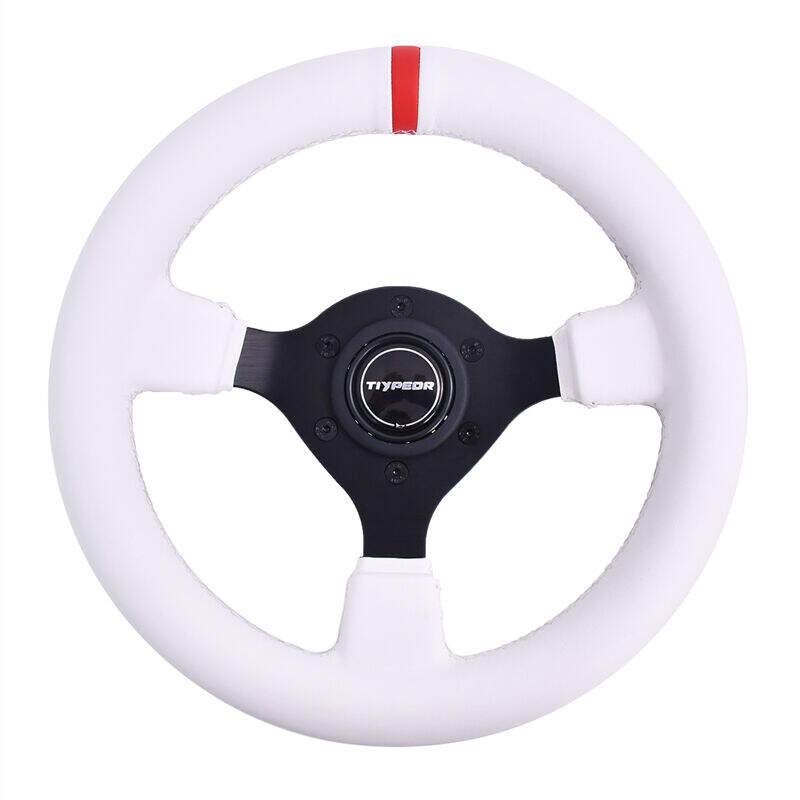
The choice of steering wheel materials significantly impacts your driving experience, affecting everything from grip quality to long-term durability. Modern automotive manufacturers and aftermarket suppliers utilize various materials, each offering distinct advantages for different driving conditions and preferences. Understanding how these materials perform under various circumstances helps drivers make informed decisions about upgrades or replacements. Whether you prioritize comfort during daily commutes or enhanced performance during spirited driving, the material composition of your steering wheel plays a crucial role in overall vehicle control and driver satisfaction.
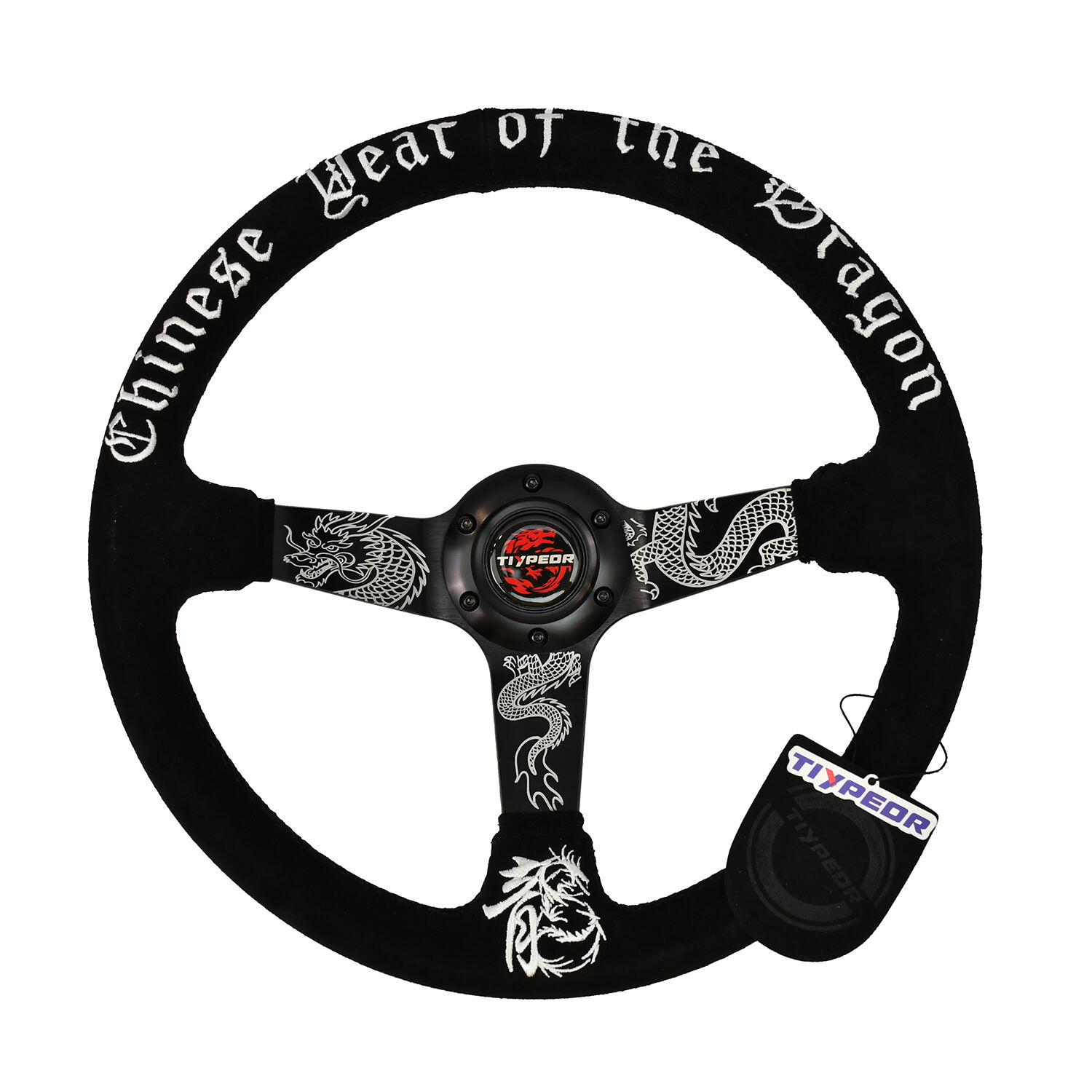
Understanding Different Types of Steering Wheel Materials
Leather Construction and Properties
Genuine leather remains one of the most popular choices for premium steering wheel materials due to its natural grip characteristics and luxurious feel. High-quality leather develops a patina over time, becoming more comfortable and personalized to the driver's hands. The natural oils in human skin interact with leather fibers, creating improved grip and a custom feel that synthetic alternatives cannot replicate. However, leather requires proper maintenance to prevent cracking and deterioration, especially in extreme temperature conditions.
The thickness and grain pattern of leather significantly influence its performance characteristics. Full-grain leather offers superior durability and breathability, while corrected-grain varieties provide consistent appearance at lower costs. Professional drivers often prefer perforated leather for improved ventilation during extended driving sessions. The tanning process also affects how steering wheel materials respond to moisture and temperature variations, making quality leather processing essential for long-term performance.
Synthetic Material Innovations
Modern synthetic steering wheel materials have evolved dramatically, offering performance characteristics that sometimes exceed natural alternatives. Advanced polymers and composite materials provide consistent grip levels regardless of temperature or humidity conditions. These materials resist staining, require minimal maintenance, and can be engineered with specific texture patterns to enhance tactile feedback. Many racing applications utilize synthetic materials specifically designed for high-performance environments.
Microfiber and alcantara represent premium synthetic options that combine the aesthetic appeal of natural materials with enhanced durability. These steering wheel materials offer excellent grip in both dry and wet conditions while maintaining consistent performance throughout their service life. The manufacturing process allows for precise control over surface characteristics, enabling customization for specific applications or driver preferences.
Grip Performance Across Different Conditions
Dry Weather Grip Characteristics
The effectiveness of steering wheel materials varies significantly between dry and wet conditions, making material selection crucial for consistent performance. Natural leather provides excellent dry grip through its fibrous structure, which creates mechanical adhesion with driver gloves or bare hands. The surface texture of quality leather naturally enhances tactile feedback, allowing drivers to maintain precise control during normal driving conditions. Temperature stability in dry conditions makes leather a reliable choice for most automotive applications.
Synthetic materials engineered for dry performance often incorporate specialized surface treatments that maximize friction coefficients. These treatments can include microscopic texture patterns or chemical surface modifications that enhance grip without compromising comfort. Racing-oriented steering wheel materials frequently utilize aggressive texturing that provides maximum grip during high-performance driving situations where precise control is paramount.
Wet Weather and Moisture Management
Moisture significantly affects how different steering wheel materials perform, with some materials becoming slippery while others maintain consistent grip levels. Traditional leather can become slippery when wet, requiring careful treatment with appropriate conditioners to maintain performance. However, properly treated leather with textured surfaces can still provide adequate grip in light moisture conditions. The key lies in understanding how moisture interacts with different material compositions.
Advanced synthetic steering wheel materials often excel in wet conditions through hydrophobic treatments and engineered surface structures. These materials shed moisture quickly while maintaining consistent grip characteristics regardless of humidity levels. Some synthetic options actually improve grip when slightly damp, making them ideal for drivers who frequently encounter varying weather conditions. The consistency of synthetic materials across different moisture levels provides predictable performance that many drivers prefer.
Durability Factors and Longevity Considerations
Wear Patterns and Material Degradation
Long-term durability of steering wheel materials depends on multiple factors including usage patterns, environmental conditions, and maintenance practices. High-quality leather typically shows graceful aging, developing character while maintaining structural integrity over many years of use. The natural flexibility of leather allows it to conform to hand positions without cracking, though UV exposure and extreme temperatures can accelerate degradation if proper care is not maintained.
Synthetic steering wheel materials often exhibit different wear characteristics, with some maintaining their original appearance throughout their service life while others may show signs of use more quickly. The advantage of synthetic materials lies in their resistance to environmental factors that typically damage natural materials. UV stability, chemical resistance, and consistent performance across temperature ranges make synthetic options attractive for drivers prioritizing longevity and low maintenance requirements.
Maintenance Requirements and Care Protocols
Proper maintenance significantly extends the life of steering wheel materials regardless of their composition. Leather requires regular conditioning to prevent drying and cracking, particularly in climates with extreme temperature variations. Quality leather conditioners restore natural oils and maintain flexibility, ensuring consistent grip and appearance over time. Regular cleaning removes accumulated oils and dirt that can degrade material performance.
Synthetic materials typically require less intensive maintenance but still benefit from regular cleaning protocols. Many synthetic steering wheel materials can be cleaned with mild detergents and water, making maintenance simple and straightforward. However, aggressive cleaning chemicals can damage specialized surface treatments, making it important to use appropriate cleaning products. Understanding the specific care requirements for different materials helps maximize their service life and performance characteristics.
Performance Impact on Daily Driving Experience
Comfort and Ergonomic Considerations
The daily driving experience is significantly influenced by how steering wheel materials feel during extended contact with driver hands. Natural leather provides excellent thermal properties, remaining comfortable across a wide temperature range while allowing proper heat dissipation. The breathability of quality leather prevents excessive moisture buildup during long drives, maintaining comfort and grip consistency. These characteristics make leather steering wheel materials particularly appealing for drivers who spend significant time behind the wheel.
Synthetic materials can be engineered to provide specific comfort characteristics, though they may not replicate the natural feel of leather perfectly. However, advanced synthetic steering wheel materials often excel in temperature extremes, remaining comfortable when leather might become uncomfortably hot or cold. The consistent feel of synthetic materials appeals to drivers who prefer predictable tactile feedback regardless of environmental conditions or seasonal changes.
Temperature Response and Seasonal Adaptation
Temperature variations dramatically affect how different steering wheel materials perform and feel during use. Leather naturally adapts to temperature changes, warming quickly to hand temperature while providing insulation against extreme heat or cold. This thermal responsiveness makes leather comfortable across seasonal variations, though extreme conditions may require additional protection or conditioning. The natural thermal properties of leather steering wheel materials contribute significantly to driver comfort during year-round use.
Synthetic materials exhibit varying temperature responses depending on their specific composition and manufacturing processes. Some synthetic steering wheel materials remain neutral across temperature ranges, while others may become uncomfortable in extreme heat or cold. Advanced synthetic options incorporate thermal management technologies that regulate surface temperature, providing consistent comfort regardless of ambient conditions. Understanding how different materials respond to temperature helps drivers select options appropriate for their climate and usage patterns.
Specialized Applications and Performance Requirements
Racing and High-Performance Applications
Racing applications place extreme demands on steering wheel materials, requiring consistent performance under high-stress conditions. Professional motorsports typically utilize specialized materials designed specifically for competition use, prioritizing grip and durability over comfort or aesthetics. These materials must maintain performance characteristics during extended high-performance driving while providing precise tactile feedback for optimal vehicle control. The choice of racing steering wheel materials often determines the difference between competitive success and failure.
Suede and alcantara represent popular choices for racing applications due to their exceptional grip characteristics and moisture management properties. These materials provide consistent performance across varying temperature and humidity conditions while offering the tactile feedback required for precise vehicle control. Many racing steering wheel materials incorporate fire-resistant treatments and specialized construction techniques that meet safety requirements for competitive motorsports applications.
Commercial and Fleet Vehicle Considerations
Commercial vehicles require steering wheel materials that can withstand heavy use while maintaining consistent performance across multiple drivers and operating conditions. Durability becomes the primary consideration, with materials selected for their ability to resist wear, staining, and degradation from frequent use. Fleet managers often prioritize synthetic materials that require minimal maintenance while providing reliable performance throughout the vehicle's service life.
The cost-effectiveness of different steering wheel materials becomes crucial in commercial applications where vehicles operate continuously under demanding conditions. Materials must balance initial cost with long-term durability and maintenance requirements to provide optimal value. Synthetic options often excel in commercial applications due to their consistent performance characteristics and reduced maintenance needs compared to natural materials requiring regular conditioning and care.
FAQ
Which steering wheel material provides the best grip in all weather conditions
Modern synthetic materials specifically engineered for automotive use typically provide the most consistent grip across varying weather conditions. Unlike natural leather, which can become slippery when wet, advanced synthetic steering wheel materials maintain their friction characteristics regardless of moisture or temperature. However, the best choice depends on individual preferences and specific driving requirements, with some drivers preferring the natural feel of properly treated leather despite its weather sensitivity.
How often should leather steering wheel materials be maintained
Quality leather steering wheel materials should be cleaned and conditioned every 3-6 months depending on usage frequency and environmental conditions. Vehicles exposed to extreme temperatures, high UV levels, or frequent use may require more frequent maintenance to preserve material integrity. Regular cleaning removes accumulated oils and dirt, while conditioning treatments restore natural flexibility and prevent cracking. Proper maintenance significantly extends the life and performance of leather steering wheel materials.
Are synthetic steering wheel materials as durable as genuine leather
High-quality synthetic steering wheel materials often exceed the durability of natural leather in many applications, particularly regarding resistance to environmental factors like UV exposure, temperature extremes, and moisture. While leather may develop character and improve with age, synthetic materials maintain consistent performance characteristics throughout their service life. The choice between synthetic and leather materials often comes down to personal preference regarding feel and aesthetics rather than pure durability considerations.
What factors should be considered when selecting steering wheel materials for daily driving
Daily driving applications should prioritize comfort, durability, and maintenance requirements when selecting steering wheel materials. Consider your climate conditions, typical driving duration, and personal preferences regarding material feel. Synthetic materials offer low maintenance and consistent performance, while leather provides natural comfort and develops character over time. Temperature stability, grip consistency, and long-term cost of ownership should all factor into the decision-making process for daily driving applications.
Table of Contents
- Understanding Different Types of Steering Wheel Materials
- Grip Performance Across Different Conditions
- Durability Factors and Longevity Considerations
- Performance Impact on Daily Driving Experience
- Specialized Applications and Performance Requirements
-
FAQ
- Which steering wheel material provides the best grip in all weather conditions
- How often should leather steering wheel materials be maintained
- Are synthetic steering wheel materials as durable as genuine leather
- What factors should be considered when selecting steering wheel materials for daily driving