
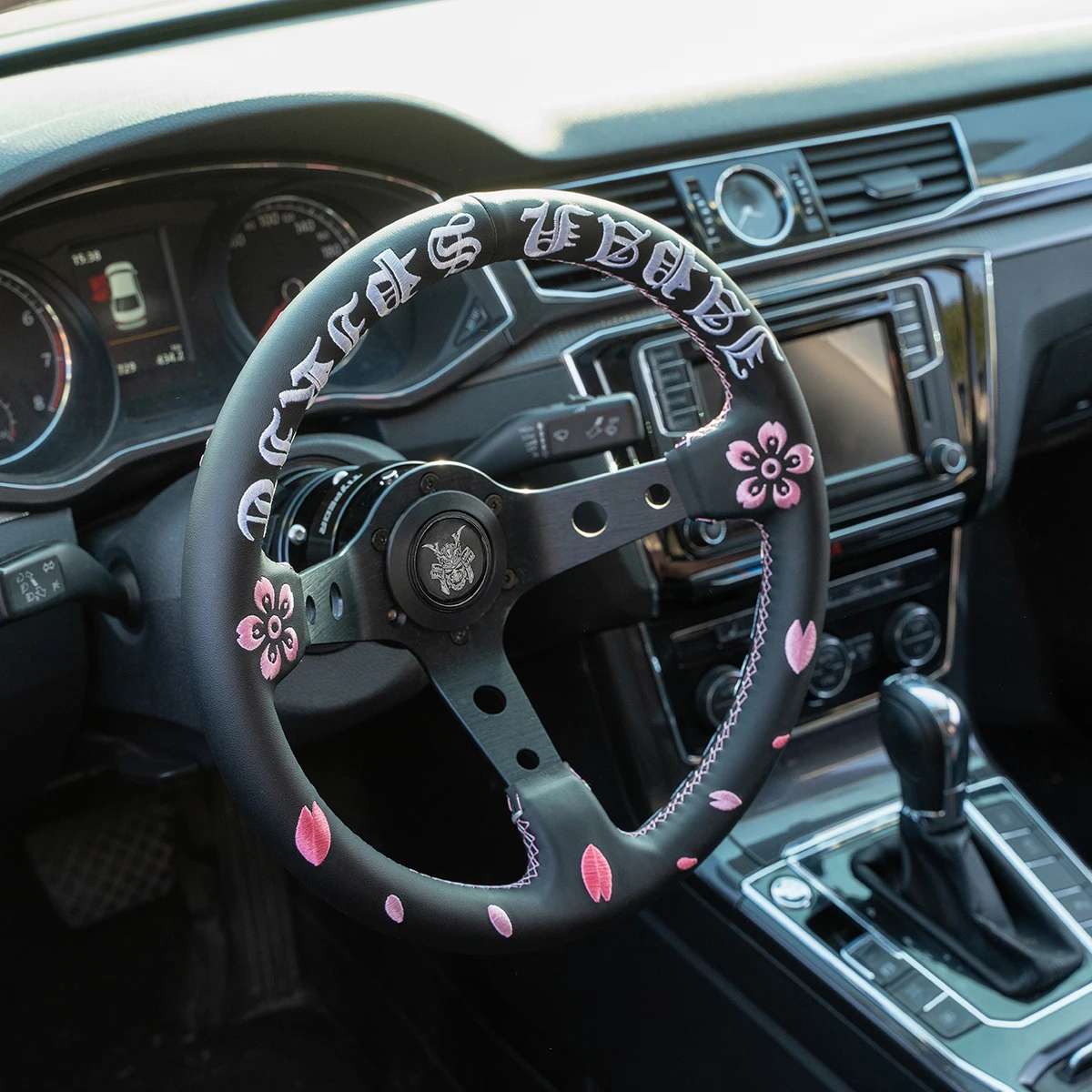
The world of Japanese Domestic Market (JDM) automotive culture extends far beyond simple vehicle modifications, encompassing a philosophy that prioritizes precision, performance, and aesthetic perfection. At the heart of this culture lies the JDM steering wheel, a component that serves as both the primary interface between driver and machine and a statement of intent regarding the vehicle's purpose. These specialized steering wheels represent decades of racing heritage, engineering excellence, and design philosophy that has captivated enthusiasts worldwide. Understanding how JDM steering wheel design reflects performance-focused car culture requires examining the historical context, technical innovations, and cultural significance that have shaped these iconic components.
Historical Foundation of JDM Steering Wheel Design
Racing Heritage and Motorsport Influence
The evolution of JDM steering wheel design traces its roots directly to Japan's motorsport heritage, particularly the country's involvement in Formula One, touring car racing, and the legendary Group A and Group C competitions of the 1980s and 1990s. Japanese manufacturers like Honda, Toyota, and Nissan invested heavily in racing programs that demanded steering wheels capable of withstanding extreme conditions while providing precise feedback to drivers. This motorsport DNA became embedded in the design philosophy of every JDM steering wheel, emphasizing lightweight construction, ergonomic grip patterns, and materials that could perform under intense stress.
The influence of legendary Japanese racing circuits like Suzuka and Fuji Speedway cannot be understated in shaping steering wheel design principles. These challenging tracks demanded components that could handle high-speed cornering, rapid directional changes, and extended racing sessions without compromising driver control. As racing technology filtered down to street applications, the JDM steering wheel became a symbol of this performance pedigree, carrying forward the lessons learned on some of the world's most demanding racing circuits.
Cultural Significance in Japanese Automotive Philosophy
Japanese automotive culture embraces the concept of kaizen, or continuous improvement, which manifests clearly in JDM steering wheel design evolution. Each generation of these components incorporates refined materials, improved ergonomics, and enhanced functionality based on feedback from professional drivers, tuning shops, and dedicated enthusiasts. This iterative approach to perfection reflects the broader Japanese philosophy of craftsmanship excellence that permeates all aspects of automotive modification culture.
The aesthetic elements incorporated into JDM steering wheel designs often draw inspiration from traditional Japanese art forms, including the use of natural materials, subtle color palettes, and geometric patterns that create visual harmony within the vehicle interior. This cultural integration demonstrates how performance modifications can maintain aesthetic coherence while delivering functional improvements, a principle that distinguishes authentic JDM components from generic racing accessories.
Technical Innovation and Performance Characteristics
Advanced Materials and Construction Methods
Modern JDM steering wheel construction utilizes advanced materials that balance weight reduction with structural integrity, reflecting the performance-focused nature of Japanese tuning culture. Carbon fiber reinforcement, lightweight aluminum cores, and specialized polymer composites work together to create wheels that weigh significantly less than factory components while maintaining superior strength characteristics. The selection of these materials demonstrates the technical sophistication that defines authentic JDM steering wheel construction.
Manufacturing processes employed by premium JDM steering wheel producers incorporate precision machining, hand-finishing techniques, and quality control standards that exceed those typically found in mass-market automotive components. These construction methods ensure dimensional accuracy, surface finish quality, and long-term durability that justify the investment for serious performance enthusiasts. The attention to manufacturing detail reflects the broader Japanese commitment to precision engineering that characterizes the entire JDM modification ecosystem.
Ergonomic Design and Driver Interface Optimization
The ergonomic considerations built into JDM steering wheel design reflect extensive research into driver hand positioning, grip pressure distribution, and fatigue reduction during extended driving sessions. Spoke angles, rim diameter, and grip circumference are optimized based on anthropometric data from professional drivers and testing feedback from motorsport applications. This scientific approach to ergonomics distinguishes JDM steering wheel design from purely aesthetic modifications, emphasizing functional performance over visual appeal.
Surface texturing and grip material selection receive particular attention in JDM steering wheel development, with manufacturers utilizing specialized compounds that maintain consistent friction characteristics across varying temperature and humidity conditions. These materials must perform reliably whether used in air-conditioned street driving or high-temperature track environments, demonstrating the versatility expected from components designed for serious performance applications.
Aesthetic Elements and Visual Design Philosophy
Color Schemes and Surface Treatments
The visual design language of JDM steering wheel aesthetics emphasizes understated elegance combined with purposeful functionality, avoiding the flashy chrome and excessive ornamentation often associated with mainstream automotive accessories. Color palettes typically feature deep blacks, subtle metallics, and accent colors that complement rather than dominate the vehicle interior design scheme. This restrained approach to visual design reflects the Japanese aesthetic principle of wabi-sabi, finding beauty in simplicity and functional excellence.
Surface treatments applied to JDM steering wheel components serve dual purposes of enhancing grip characteristics while creating visual interest through subtle textural variations. Brushed metal finishes, carbon fiber weaving patterns, and selective use of contrasting stitching create visual depth without compromising the clean, purposeful appearance that defines authentic JDM styling. These design elements demonstrate how performance modifications can enhance rather than detract from interior aesthetics when executed with appropriate restraint and consideration for overall design harmony.
Brand Identity and Cultural Symbolism
Established JDM steering wheel manufacturers have developed distinctive design signatures that allow enthusiasts to identify authentic components at a glance, creating a form of cultural currency within the tuning community. These brand elements might include specific spoke patterns, unique mounting hardware designs, or proprietary grip materials that become associated with particular performance characteristics or racing heritage. The recognition value of these design elements contributes to the social aspects of JDM culture, where component selection communicates the owner's knowledge and commitment to authentic performance modification.
The integration of cultural symbols and references within JDM steering wheel design often includes subtle nods to Japanese heritage, motorsport achievements, or specific vehicle platforms that hold special significance within the enthusiast community. These references create emotional connections between owners and their modifications, transforming functional components into expressions of personal identity and cultural affiliation within the broader JDM movement.
Performance Impact and Driving Dynamics
Weight Reduction and Handling Characteristics
The weight reduction achieved through JDM steering wheel installation contributes measurably to overall vehicle performance by reducing rotational inertia and improving steering response characteristics. Even modest weight savings in the steering system translate to more immediate feedback transmission, reduced steering effort at low speeds, and enhanced precision during high-performance driving situations. These improvements demonstrate how seemingly minor modifications can produce significant impacts on driving dynamics when executed with proper attention to engineering principles.
The reduced diameter typical of many JDM steering wheel designs provides mechanical advantage that increases steering ratio, allowing for quicker directional changes with less hand movement around the rim. This characteristic proves particularly beneficial in motorsport applications and aggressive street driving where rapid steering inputs are required. The combination of reduced weight and optimized geometry creates a more direct connection between driver intent and vehicle response, embodying the performance-focused philosophy that drives JDM modification culture.
Feedback Enhancement and Driver Control
Premium JDM steering wheel construction facilitates improved transmission of road surface information and vehicle dynamics feedback to the driver through optimized material selection and structural design. The elimination of damping materials and vibration isolation systems commonly found in comfort-oriented factory components allows more direct communication of tire contact patch conditions, suspension loading, and chassis dynamics. This enhanced feedback enables skilled drivers to extract maximum performance from their vehicles while maintaining precise control in challenging driving conditions.
The rim profiles and cross-sectional shapes employed in JDM steering wheel design are optimized to provide consistent grip characteristics and hand positioning regardless of steering angle or grip pressure variations. This consistency proves crucial during extended performance driving sessions where fatigue and changing conditions might otherwise compromise driver control. The attention to these seemingly minor details reflects the comprehensive approach to performance optimization that characterizes authentic JDM modification philosophy.
Integration with Modern Vehicle Systems
Electronic System Compatibility
Contemporary JDM steering wheel designs must accommodate increasingly complex electronic systems including airbag deployment, steering angle sensors, and integrated control switches while maintaining the lightweight and responsive characteristics that define the category. This integration challenge requires sophisticated engineering solutions that preserve performance benefits without compromising safety or functionality. Manufacturers have developed innovative approaches including removable electronic modules, quick-disconnect systems, and bypass solutions that allow temporary installation for track use while maintaining street legal compliance.
The development of adapter systems and electronic interfaces for JDM steering wheel installation reflects the evolving nature of performance modification in the modern automotive environment. These solutions allow enthusiasts to maintain factory safety systems and electronic functionality while upgrading to performance-oriented steering components, demonstrating how the JDM steering wheel market continues to adapt to changing regulatory and technological requirements without abandoning core performance principles.
Safety Considerations and Regulatory Compliance
The installation of aftermarket JDM steering wheel components requires careful consideration of safety implications, particularly regarding airbag system functionality and crash protection effectiveness. Responsible manufacturers provide clear guidance on appropriate applications, installation procedures, and safety considerations to ensure that performance modifications do not compromise occupant protection. This emphasis on safety education reflects the maturation of JDM culture from purely performance-focused modifications to a more comprehensive approach that balances performance gains with practical considerations.
Regulatory compliance varies significantly between markets, with some regions allowing greater flexibility in steering system modifications while others maintain strict requirements for factory safety system retention. Understanding these regulatory environments becomes crucial for enthusiasts seeking to incorporate JDM steering wheel components into their vehicles while maintaining legal operation and insurance coverage. The navigation of these requirements has become an integral part of the modern JDM modification process.
Market Evolution and Future Trends
Global Influence and Cultural Export
The global expansion of JDM culture has driven increased demand for authentic Japanese steering wheel components in markets worldwide, creating opportunities for both established manufacturers and emerging brands to serve international enthusiast communities. This globalization has also led to the development of region-specific variations that maintain JDM design principles while accommodating local preferences, regulations, and vehicle platforms. The success of this cultural export demonstrates the universal appeal of performance-focused design philosophy that transcends geographic boundaries.
Digital media and social networking platforms have accelerated the spread of JDM steering wheel culture, allowing enthusiasts to share installation experiences, performance feedback, and aesthetic inspiration across global communities. This digital connectivity has created new opportunities for manufacturers to gather feedback, develop products, and build brand recognition in previously inaccessible markets while maintaining the authentic character that defines the JDM steering wheel category.
Technological Innovation and Future Development
Emerging technologies including 3D printing, advanced composite materials, and smart manufacturing processes are beginning to influence JDM steering wheel development, offering possibilities for increased customization, improved performance characteristics, and reduced production costs. These technological advances may enable smaller manufacturers to compete more effectively while allowing established brands to offer greater product variety and customization options to meet evolving enthusiast demands.
The integration of electronic systems and sensor technologies into steering wheel designs presents both challenges and opportunities for JDM manufacturers seeking to maintain performance focus while accommodating modern vehicle requirements. Future developments may include integrated data acquisition systems, haptic feedback mechanisms, and connectivity features that enhance the driving experience while preserving the direct, mechanical connection that defines traditional JDM steering wheel philosophy.
FAQ
What makes a JDM steering wheel different from regular aftermarket steering wheels
JDM steering wheels are distinguished by their focus on performance-oriented design principles derived from Japanese motorsport heritage, utilizing advanced materials, precise manufacturing tolerances, and ergonomic optimization specifically developed for high-performance driving applications. Unlike generic aftermarket wheels that prioritize visual appeal, authentic JDM components emphasize weight reduction, enhanced feedback transmission, and durability under demanding conditions while maintaining aesthetic coherence with Japanese design philosophy.
Are JDM steering wheels safe for street use
The safety implications of JDM steering wheel installation depend heavily on proper application, installation procedures, and compliance with local regulations regarding airbag system modifications. Many JDM steering wheels are designed primarily for track use and may require removal of factory safety systems, while some manufacturers offer solutions that maintain airbag functionality. Enthusiasts should carefully research compatibility with their specific vehicle and consult qualified installers to ensure appropriate safety considerations are addressed.
How do I choose the right JDM steering wheel for my vehicle
Selecting an appropriate JDM steering wheel requires consideration of intended use, vehicle platform compatibility, desired aesthetic integration, and budget constraints. Factors including rim diameter, spoke configuration, mounting pattern compatibility, and electronic system integration should be evaluated alongside performance objectives and regulatory requirements. Consulting with experienced tuning shops or JDM specialists can provide valuable guidance for matching specific products to individual applications and ensuring proper installation procedures are followed.
What maintenance is required for JDM steering wheels
Proper maintenance of JDM steering wheels involves regular cleaning with appropriate products for specific materials, periodic inspection of mounting hardware and electrical connections, and protection from excessive heat and UV exposure when possible. Different materials require specific care procedures, with leather requiring conditioning, carbon fiber needing gentle cleaning agents, and metal components benefiting from protective treatments. Following manufacturer recommendations for maintenance schedules and procedures helps ensure long-term performance and appearance retention.