
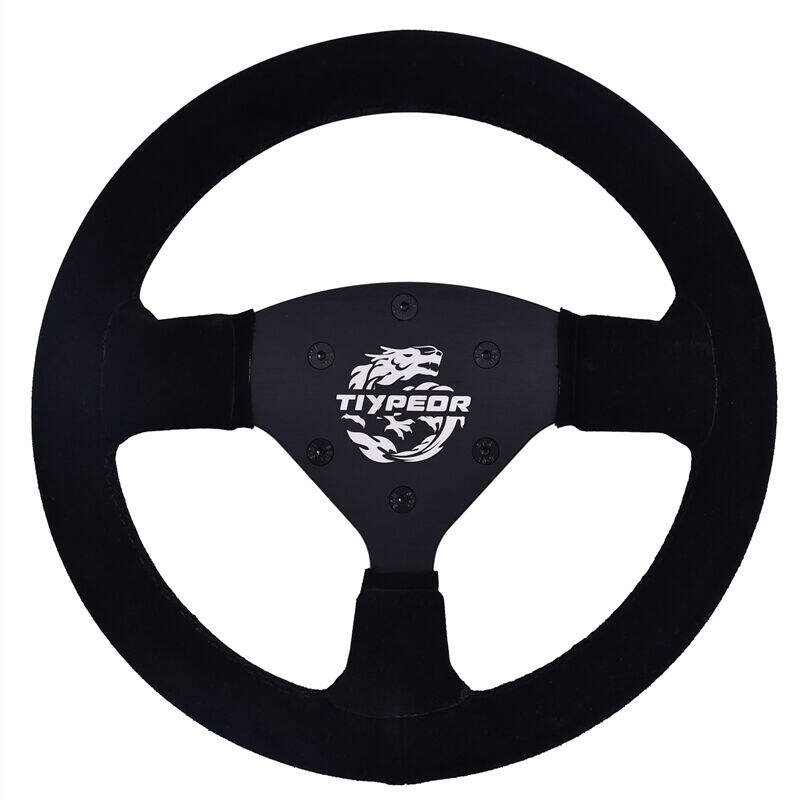
The connection between driver and vehicle reaches its most critical point through the racing steering wheel grip, where every subtle input translates into precise vehicle control during high-stakes racing scenarios. Professional drivers understand that the quality of their steering wheel grip directly influences their ability to maintain control during aggressive maneuvers, cornering at extreme speeds, and executing split-second directional changes. The tactile feedback transmitted through a properly designed racing steering wheel grip provides essential information about tire traction, road surface conditions, and vehicle dynamics that separate competitive drivers from casual enthusiasts.
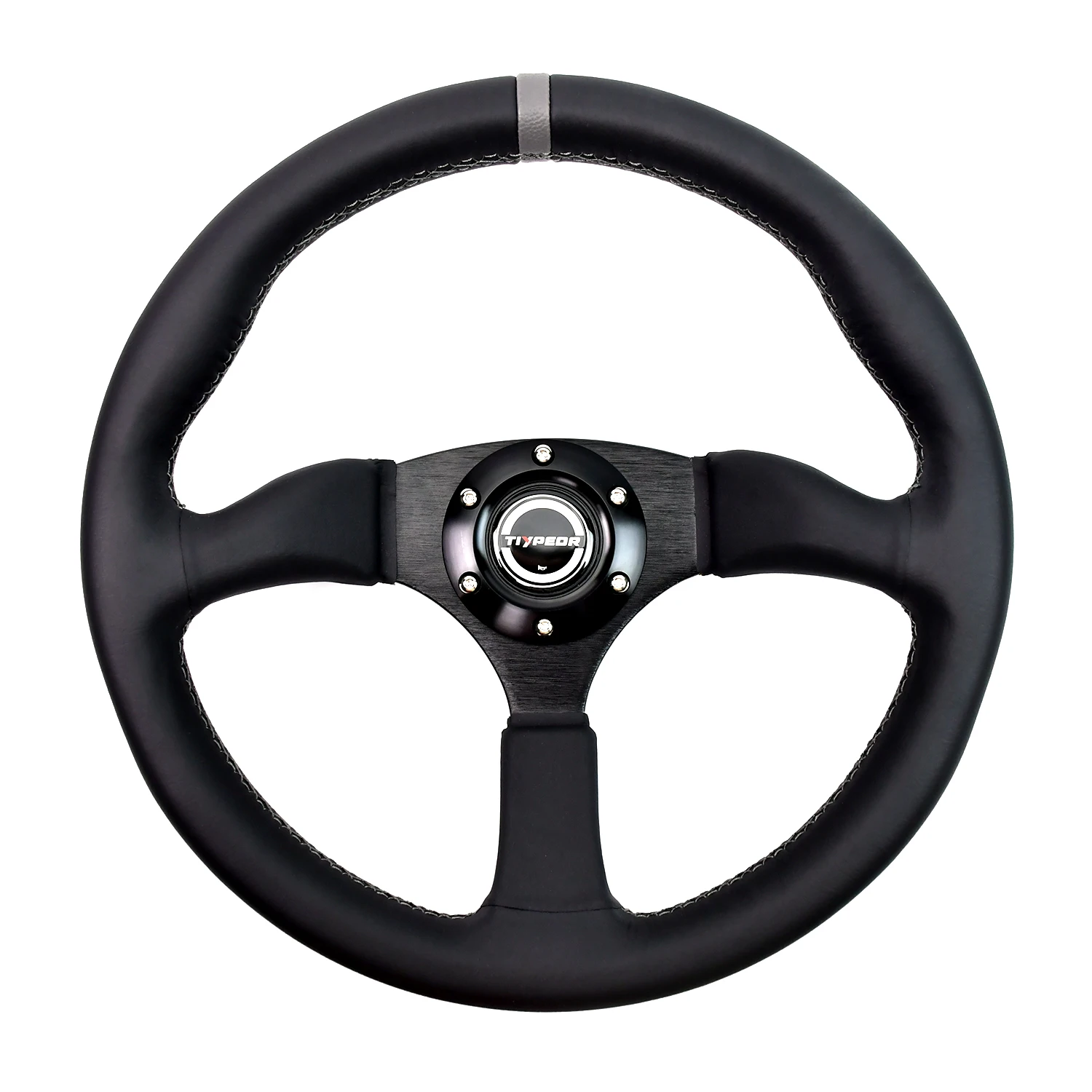
Modern racing environments demand exceptional precision from both driver and equipment, with the steering wheel serving as the primary interface for vehicle control. The material composition, texture patterns, and ergonomic design of a racing steering wheel grip significantly impact driver performance during extended racing sessions and high-pressure competitive situations. Understanding these technical aspects enables drivers to make informed decisions when selecting equipment that enhances their natural abilities while providing consistent performance under varying track conditions.
Material Science Behind High-Performance Grip Technology
Leather Composition and Treatment Methods
Premium leather remains the gold standard for racing steering wheel grip applications due to its natural properties that enhance tactile feedback and durability under extreme conditions. The leather treatment process involves specialized techniques that preserve the material's natural texture while increasing resistance to moisture, temperature fluctuations, and repetitive stress cycles common in competitive racing environments. High-quality leather grips undergo chemical treatments that maintain flexibility while preventing degradation from prolonged exposure to racing gloves and varying environmental conditions.
The tanning process specifically designed for automotive applications creates a leather surface that provides optimal friction characteristics without becoming slippery when exposed to moisture or temperature changes. Professional-grade leather grips feature consistent thickness throughout the wrap, ensuring uniform tactile feedback regardless of hand positioning during dynamic driving situations. The cellular structure of properly treated leather allows for controlled moisture absorption and release, maintaining grip consistency throughout extended racing sessions.
Synthetic Material Advantages and Applications
Advanced synthetic materials offer specific advantages over natural leather in certain racing applications, particularly regarding chemical resistance and consistency across temperature ranges. Modern synthetic racing steering wheel grip materials incorporate microscopic texture patterns engineered to optimize friction coefficients under various conditions encountered during competitive racing events. These materials resist degradation from cleaning chemicals, UV exposure, and extreme temperature variations that can affect natural leather performance over time.
Synthetic grip materials allow for precise control over surface texture characteristics, enabling manufacturers to create patterns specifically optimized for different racing disciplines and driver preferences. The manufacturing process permits integration of specialized compounds that enhance grip properties while maintaining durability standards required for professional racing applications. These materials often feature enhanced resistance to wear patterns that develop over time with intensive use.
Ergonomic Design Principles for Maximum Control
Hand Position Optimization Strategies
The diameter and contouring of a racing steering wheel grip directly influence driver comfort and control precision during extended racing sessions and demanding track conditions. Professional racing applications typically utilize smaller diameter wheels compared to street vehicles, allowing for quicker steering inputs and reduced arm fatigue during aggressive maneuvering sequences. The optimal grip diameter varies based on driver hand size, racing discipline, and personal preference factors that influence overall performance consistency.
Ergonomic principles guide the development of grip profiles that accommodate natural hand positioning while minimizing pressure points during sustained high-load driving situations. The cross-sectional shape of the racing steering wheel grip affects how forces transmit between driver hands and the steering mechanism, influencing feedback clarity and control precision. Properly designed grips distribute contact pressure evenly across the palm and fingers, reducing fatigue while maintaining sensitivity to subtle vehicle dynamics changes.
Texture Pattern Engineering for Enhanced Traction
Surface texture patterns on racing steering wheel grips serve multiple functions beyond basic traction enhancement, including tactile reference points for consistent hand positioning and feedback amplification for improved vehicle communication. Engineers develop specific texture patterns that complement different racing glove materials and driving styles, optimizing the interface between human and machine for maximum performance potential. The depth, spacing, and geometry of texture elements influence grip characteristics under various environmental conditions encountered during racing activities.
Advanced texture engineering considers the interaction between grip surface patterns and racing glove materials, creating optimized friction characteristics that remain consistent across temperature and moisture variations. The microscopic structure of professionally designed texture patterns provides multiple contact points that enhance security while allowing controlled slip when necessary for precise steering inputs. These patterns undergo extensive testing to ensure durability and consistency throughout the product lifecycle under intensive racing conditions.
Performance Impact During Dynamic Driving Situations
Cornering Precision and Feedback Transmission
The quality of a racing steering wheel grip becomes most apparent during high-speed cornering when precise steering inputs determine the difference between optimal racing lines and potential loss of control. The grip material and design characteristics directly influence the driver's ability to detect subtle changes in tire traction, road surface conditions, and vehicle balance through haptic feedback transmitted through the steering system. Professional drivers rely on this tactile information to make real-time adjustments that optimize cornering speed while maintaining vehicle stability.
During aggressive cornering maneuvers, the racing steering wheel grip must provide consistent traction regardless of the forces applied through driver inputs and vehicle dynamics. The material properties that govern grip performance under high-load conditions include surface friction coefficients, temperature stability, and resistance to deformation under stress. Superior grip materials maintain their tactile properties even when subjected to rapid steering corrections and sustained high-force applications common in competitive racing environments.
Emergency Response and Recovery Techniques
Emergency situations in racing environments require instantaneous responses that depend entirely on the secure connection between driver hands and steering wheel through the grip interface. The racing steering wheel grip must provide reliable traction during sudden steering corrections, counter-steering maneuvers, and recovery techniques when vehicle dynamics approach or exceed stability limits. The confidence that comes from a trustworthy grip interface allows drivers to commit fully to aggressive maneuvers while maintaining the ability to respond quickly when conditions change unexpectedly.
The texture and material characteristics of a racing steering wheel grip significantly impact reaction time during emergency scenarios where milliseconds determine outcomes. Premium grip materials provide consistent tactile feedback that enables drivers to maintain precise control even during high-stress situations when adrenaline and physical forces challenge normal motor skills. The reliability of the grip interface becomes crucial when executing corrective actions that require precise steering inputs to regain vehicle control and maintain racing line integrity.
Installation and Maintenance Considerations
Professional Installation Techniques
Proper installation of a racing steering wheel grip requires specialized techniques that ensure optimal performance characteristics and long-term durability under racing conditions. The installation process involves precise tensioning and alignment procedures that prevent grip shifting or loosening during aggressive driving maneuvers. Professional installation techniques consider factors such as grip positioning relative to steering wheel spokes, uniform tension distribution, and proper securing methods that maintain grip integrity throughout the racing season.
Installation quality directly affects the performance characteristics of a racing steering wheel grip, with improper techniques potentially creating inconsistencies in tactile feedback or premature wear patterns. The adhesive systems and mechanical fastening methods used during installation must withstand the dynamic forces encountered during competitive racing while maintaining the grip's original design characteristics. Professional installers understand the specific requirements for different grip materials and steering wheel configurations to achieve optimal results.
Long-term Care and Performance Maintenance
Maintaining the performance characteristics of a racing steering wheel grip requires regular inspection and appropriate care techniques that preserve material properties and surface texture integrity. The cleaning methods and products used for grip maintenance must be compatible with the specific material composition to prevent degradation or unwanted changes in surface characteristics. Proper maintenance extends the functional life of the racing steering wheel grip while ensuring consistent performance throughout its service period.
Environmental factors such as UV exposure, temperature cycling, and chemical contamination can affect grip performance over time, requiring proactive maintenance approaches to preserve optimal characteristics. Regular inspection protocols help identify early signs of wear or degradation that could compromise grip performance during critical racing situations. Understanding the specific maintenance requirements for different grip materials enables drivers to maintain peak performance characteristics throughout the racing season and beyond.
Technology Integration and Future Developments
Smart Grip Systems and Sensor Integration
Emerging technologies are revolutionizing racing steering wheel grip design through integration of sensors and smart materials that provide real-time feedback about grip conditions and driver inputs. Advanced racing steering wheel grip systems incorporate pressure sensors, temperature monitoring, and grip force measurement capabilities that enhance driver awareness and vehicle performance optimization. These technological advances represent the next evolution in the connection between human and machine interface design for competitive racing applications.
Future developments in grip technology focus on adaptive materials that automatically adjust their characteristics based on environmental conditions and driving demands. Smart grip systems can provide haptic feedback that communicates vehicle status information directly through the steering interface, enhancing driver awareness during high-speed racing situations. The integration of these technologies requires careful consideration of weight, reliability, and performance factors that affect overall racing competitiveness.
Material Innovation and Performance Enhancement
Research into advanced materials continues to push the boundaries of racing steering wheel grip performance through development of compounds that offer superior characteristics compared to traditional materials. Nanotechnology applications in grip materials provide enhanced durability, improved tactile properties, and resistance to environmental factors that affect performance consistency. These innovations aim to create grip solutions that maintain optimal characteristics throughout extended use periods while providing enhanced feedback clarity for improved driving precision.
The development of hybrid material systems combines the best characteristics of different material types to create racing steering wheel grip solutions that exceed the performance of individual materials. Advanced manufacturing techniques enable the creation of complex grip structures that optimize different zones for specific functions while maintaining overall design integrity. These innovations represent significant advances in the science of human-machine interface optimization for competitive racing applications.
FAQ
What factors should be considered when selecting a racing steering wheel grip material
The selection of a racing steering wheel grip material depends on several critical factors including racing discipline, environmental conditions, driver preferences, and maintenance requirements. Leather grips offer excellent tactile feedback and natural feel but require more maintenance, while synthetic materials provide consistency and durability with reduced maintenance needs. Consider the typical temperature range and moisture conditions encountered during racing activities, as different materials perform optimally under specific environmental parameters. Driver hand size, racing glove preferences, and sensitivity requirements also influence material selection decisions.
How does grip diameter affect steering precision and driver comfort
Racing steering wheel grip diameter significantly impacts both steering precision and driver comfort, with smaller diameters generally providing quicker steering response and reduced arm fatigue during aggressive maneuvers. The optimal diameter varies based on driver hand size and racing discipline requirements, with most professional applications using diameters between 28mm and 32mm for optimal balance of control and comfort. Smaller diameters allow for faster steering inputs and better feel but may cause hand fatigue during extended sessions, while larger diameters provide more leverage but reduce steering sensitivity and quick response capabilities.
What maintenance practices extend the life of a racing steering wheel grip
Proper maintenance of a racing steering wheel grip involves regular cleaning with appropriate materials, protection from UV exposure when not in use, and periodic inspection for signs of wear or degradation. Use cleaning products specifically designed for the grip material type to avoid damage to surface properties or underlying structure. Store the vehicle in covered areas when possible to minimize UV exposure and temperature cycling that can accelerate material degradation. Regular inspection allows for early detection of wear patterns or damage that could compromise grip performance during racing activities.
How do different grip textures affect performance in various racing conditions
Different texture patterns on racing steering wheel grips provide varying levels of traction and feedback depending on racing conditions and driver requirements. Aggressive textures offer maximum security and feedback but may cause increased hand fatigue during extended sessions, while smoother textures provide comfort but potentially less grip security. Wet conditions generally favor more aggressive textures that maintain traction despite moisture, while dry conditions allow for wider texture pattern options. The interaction between grip texture and racing glove material also influences overall performance characteristics and should be considered when selecting optimal combinations for specific racing applications.
Table of Contents
- Material Science Behind High-Performance Grip Technology
- Ergonomic Design Principles for Maximum Control
- Performance Impact During Dynamic Driving Situations
- Installation and Maintenance Considerations
- Technology Integration and Future Developments
-
FAQ
- What factors should be considered when selecting a racing steering wheel grip material
- How does grip diameter affect steering precision and driver comfort
- What maintenance practices extend the life of a racing steering wheel grip
- How do different grip textures affect performance in various racing conditions