
Japanese Domestic Market automotive culture has profoundly influenced global car enthusiasts, with JDM steering wheels representing one of the most distinctive and functional modifications available today. These specialized steering wheels embody the perfect fusion of aesthetic appeal and performance-driven engineering, delivering an authentic driving experience that connects drivers directly to Japan's rich motorsport heritage. Understanding what defines a genuine JDM steering wheel requires examining both the tangible design elements and the intangible driving sensations that have made these components legendary among automotive purists worldwide.
Authentic Design Elements That Define JDM Steering Wheels
Traditional Japanese Craftsmanship and Materials
The foundation of any authentic JDM steering wheel lies in its meticulous construction and premium material selection. Japanese manufacturers have historically prioritized quality over quantity, resulting in steering wheels that feature hand-stitched leather, genuine Alcantara, or specialized synthetic materials that provide exceptional grip and durability. The attention to detail extends to every component, from the precisely machined aluminum spokes to the carefully balanced weight distribution that ensures optimal handling characteristics during spirited driving sessions.
Traditional JDM steering wheel construction often incorporates time-honored techniques passed down through generations of Japanese craftsmen. The leather wrapping process involves multiple layers of conditioning and treatment, creating a surface that develops a unique patina over time while maintaining its structural integrity. This commitment to craftsmanship ensures that each JDM steering wheel not only performs exceptionally but also ages gracefully, becoming more comfortable and personalized with extended use.
Distinctive Visual Styling and Brand Heritage
Visual identification of authentic JDM steering wheels involves recognizing specific design cues that have become synonymous with Japanese automotive culture. Deep dish configurations, minimalist spoke patterns, and subtle brand markings characterize genuine JDM products, avoiding the flashy or overly aggressive styling often found in replica products. The aesthetic philosophy emphasizes functional beauty, where every design element serves both a practical purpose and contributes to the overall visual harmony of the cockpit environment.
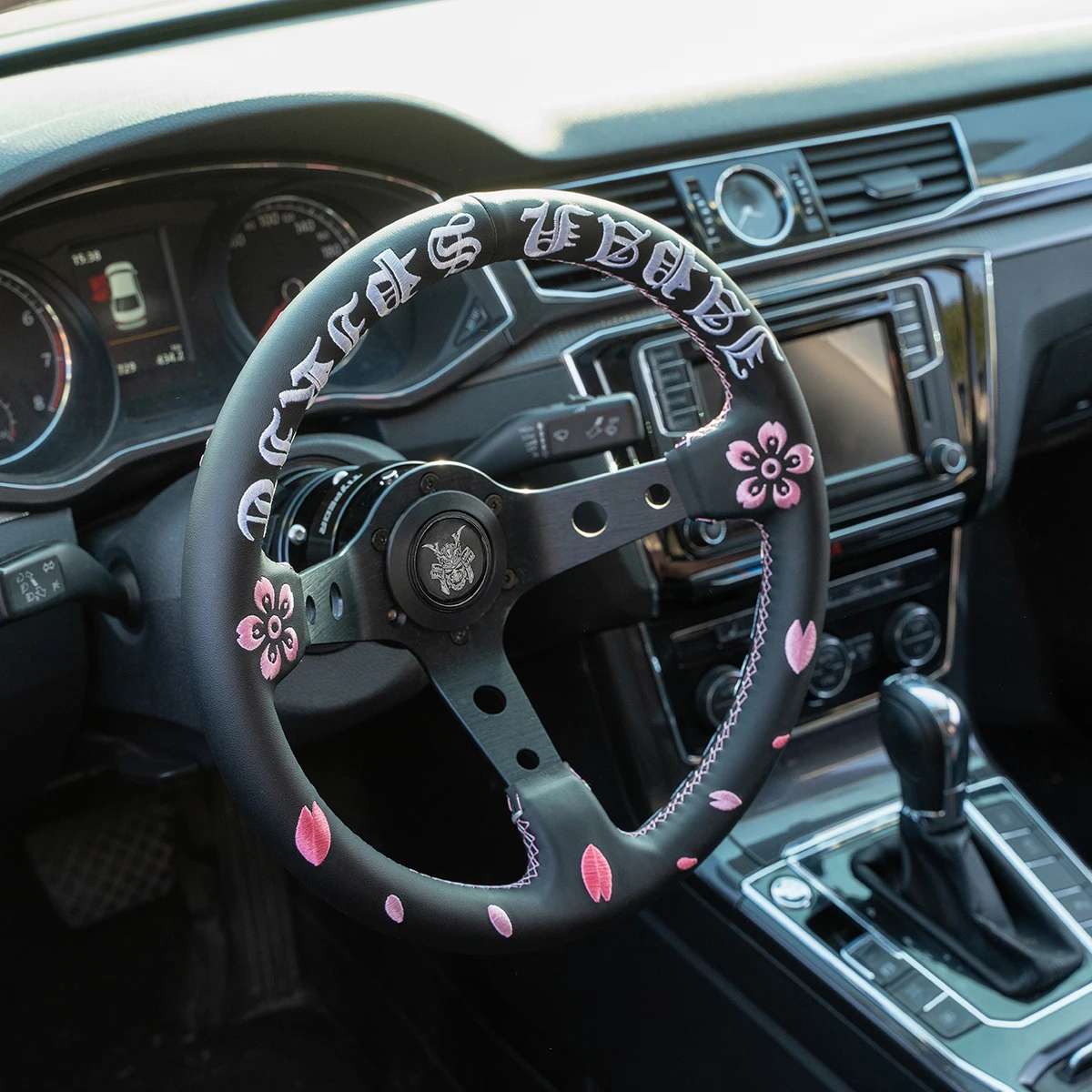
Legendary Japanese brands like MOMO, Nardi, and Personal have established distinct visual languages that enthusiasts can identify at a glance. These manufacturers often incorporate subtle Japanese cultural elements, such as cherry blossom motifs or traditional patterns, seamlessly integrated into the JDM steering wheel design without overwhelming the functional aspects. The result is a steering wheel that tells a story of cultural heritage while delivering uncompromising performance capabilities.
Performance Characteristics and Driving Dynamics
Precision Engineering for Enhanced Control
The driving feel delivered by a quality JDM steering wheel represents the pinnacle of automotive control engineering, translating subtle road feedback directly to the driver's hands with minimal interference or dampening. Japanese engineers have perfected the art of creating steering wheels that amplify positive feedback while filtering out unwanted vibrations, resulting in a connection between driver and vehicle that feels almost telepathic. This precise feedback mechanism allows experienced drivers to sense tire grip levels, road surface changes, and vehicle dynamics with remarkable accuracy.
The geometric properties of JDM steering wheels contribute significantly to their exceptional performance characteristics. Carefully calculated rim thickness, grip circumference, and spoke positioning work together to reduce driver fatigue during extended driving sessions while maximizing control authority during critical maneuvers. The ergonomic considerations extend beyond basic comfort, incorporating subtle contouring and thumb grooves that guide natural hand placement and encourage proper driving technique.
Weight Distribution and Rotational Inertia
One of the most significant yet often overlooked aspects of JDM steering wheel design involves the careful management of rotational mass and weight distribution. Authentic JDM steering wheels typically feature lighter overall weight compared to factory components, reducing the rotational inertia that can slow steering response and dull the connection between driver inputs and vehicle reaction. This weight reduction is achieved through strategic material selection and advanced manufacturing techniques rather than simply removing material indiscriminately.
The weight distribution across a JDM steering wheel affects not only the immediate feel during steering inputs but also influences the vehicle's overall dynamic balance. Properly designed JDM steering wheels maintain optimal weight distribution that complements the vehicle's suspension geometry and steering rack characteristics, creating a harmonious system where each component enhances the others. This systematic approach to performance optimization exemplifies the holistic thinking that defines authentic Japanese automotive engineering philosophy.
Material Science and Construction Techniques
Advanced Composite Materials and Applications
Modern JDM steering wheel construction incorporates cutting-edge materials science to achieve the perfect balance between strength, weight, and tactile quality. Carbon fiber reinforcement, aerospace-grade aluminum alloys, and specially formulated polymers work together to create steering wheels that exceed the performance capabilities of traditional materials while maintaining the authentic feel that defines the JDM experience. These advanced materials undergo rigorous testing to ensure they meet the demanding standards expected from Japanese automotive components.
The integration of modern materials with traditional construction techniques creates JDM steering wheels that offer improved durability and performance longevity compared to conventional alternatives. Specialized coatings and surface treatments protect against wear, UV degradation, and environmental contamination while preserving the original tactile characteristics that make each JDM steering wheel unique. This commitment to material excellence ensures that authentic JDM steering wheels maintain their performance advantages throughout years of demanding use.
Manufacturing Precision and Quality Control
Japanese manufacturing standards for steering wheels involve precision tolerances and quality control measures that far exceed typical automotive component specifications. Each authentic JDM steering wheel undergoes multiple inspection stages, from initial material verification through final assembly validation, ensuring that every component meets exacting performance and safety standards. This methodical approach to manufacturing excellence contributes significantly to the reliability and consistency that has made JDM steering wheels legendary among automotive enthusiasts.
The manufacturing precision extends to seemingly minor details that collectively create the superior performance characteristics associated with authentic JDM steering wheels. Spoke alignment accuracy, rim concentricity, and surface finish quality all contribute to the overall driving experience, while advanced quality control systems monitor these parameters throughout the production process. This attention to manufacturing precision ensures that each JDM steering wheel delivers the consistent performance that drivers expect from genuine Japanese automotive components.
Cultural Significance and Motorsport Heritage
Racing Pedigree and Competition Development
The authentic JDM steering wheel draws its fundamental character from decades of motorsport development and competition validation in some of the world's most demanding racing environments. Japanese manufacturers have continuously refined their steering wheel designs through participation in Formula One, Super GT, and various touring car championships, incorporating lessons learned from professional racing into their consumer products. This racing pedigree ensures that every authentic JDM steering wheel carries the genetic memory of competition-proven performance characteristics.
The development process for JDM steering wheels involves extensive collaboration with professional racing drivers who provide detailed feedback on grip characteristics, ergonomic requirements, and performance attributes under extreme conditions. This direct input from elite motorsport professionals influences design decisions that ultimately benefit enthusiast drivers, creating JDM steering wheels that deliver race-validated performance in street applications. The continuous evolution driven by motorsport competition ensures that JDM steering wheel technology remains at the forefront of automotive control system development.
Street Tuning Culture and Community Influence
The JDM steering wheel has become an iconic symbol within global street tuning culture, representing a commitment to authentic performance modification rather than superficial aesthetic enhancement. Enthusiast communities worldwide recognize genuine JDM steering wheels as markers of serious automotive dedication, creating a cultural significance that extends far beyond simple functional improvement. This cultural resonance has helped preserve the integrity of JDM steering wheel design principles while inspiring new generations of automotive enthusiasts.
Street tuning culture has also influenced the evolution of JDM steering wheel design, with manufacturers responding to enthusiast feedback and emerging trends while maintaining core performance principles. The symbiotic relationship between manufacturers and the tuning community has resulted in JDM steering wheels that perfectly balance traditional Japanese design philosophy with contemporary performance requirements. This ongoing dialogue ensures that modern JDM steering wheels remain relevant and desirable while preserving the essential characteristics that define authentic Japanese automotive components.
Installation Considerations and Compatibility
Hub Adapter Requirements and Safety Protocols
Proper installation of a JDM steering wheel requires careful attention to hub adapter compatibility and safety system integration, ensuring that the performance benefits are realized without compromising vehicle safety or legal compliance. Quality hub adapters designed specifically for JDM steering wheels maintain proper offset dimensions and structural integrity while accommodating the unique mounting requirements of authentic Japanese components. Professional installation following manufacturer specifications ensures optimal performance and safety compliance.
Safety considerations extend beyond basic mechanical compatibility to include proper integration with vehicle safety systems such as airbags and steering wheel controls. While many JDM steering wheels are designed for racing applications without integrated safety systems, street installation requires careful evaluation of legal requirements and safety implications. Responsible enthusiasts work with qualified professionals to ensure their JDM steering wheel installation meets all applicable safety standards while delivering the desired performance characteristics.
Vehicle-Specific Applications and Optimization
Different vehicle platforms require specific considerations when selecting and installing JDM steering wheels to achieve optimal performance integration. Factors such as steering rack ratio, suspension geometry, and vehicle weight distribution influence the ideal JDM steering wheel characteristics for each application. Experienced enthusiasts understand that the same JDM steering wheel may deliver different driving experiences across various vehicle platforms, requiring careful selection to match wheel characteristics with specific vehicle requirements.
Vehicle-specific optimization extends to consideration of driving style, intended use, and personal preferences that influence JDM steering wheel selection. Track-focused applications may prioritize maximum feedback and minimal cushioning, while street-driven vehicles benefit from slightly more comfort-oriented characteristics without sacrificing the essential JDM steering wheel performance attributes. This customization approach ensures that each installation delivers the optimal balance of performance, comfort, and authenticity for individual requirements.
FAQ
What makes a JDM steering wheel different from aftermarket alternatives
Authentic JDM steering wheels distinguish themselves through superior materials, precision manufacturing, and design philosophy rooted in Japanese motorsport heritage. Unlike generic aftermarket alternatives, genuine JDM steering wheels undergo rigorous development processes involving professional racing driver input and extensive competition validation. The construction quality, attention to ergonomic detail, and long-term durability of authentic JDM steering wheels justify their premium positioning in the market while delivering measurable performance improvements over standard alternatives.
How does steering wheel diameter affect driving dynamics and feel
JDM steering wheel diameter directly influences control authority, leverage ratio, and driver effort requirements during various driving maneuvers. Smaller diameter wheels provide increased control precision and quicker steering response but require greater physical effort, making them ideal for racing applications where maximum control authority is paramount. Larger diameter wheels offer reduced effort requirements and improved comfort during extended driving but may sacrifice some precision and feedback clarity, making diameter selection a crucial consideration for intended use and personal preference.
Can installing a JDM steering wheel improve vehicle performance measurably
Quality JDM steering wheels can deliver measurable performance improvements through reduced rotational inertia, enhanced feedback clarity, and improved ergonomic positioning that reduces driver fatigue. The weight reduction compared to factory steering wheels decreases the rotational mass that must be accelerated during steering inputs, resulting in quicker response to driver commands. Additionally, the superior feedback characteristics of authentic JDM steering wheels allow drivers to operate closer to vehicle limits with greater confidence and precision, translating into improved lap times and overall driving performance.
What safety considerations should drivers understand before JDM steering wheel installation
JDM steering wheel installation requires careful evaluation of airbag system compatibility, legal compliance requirements, and proper hub adapter selection to maintain vehicle safety standards. Many racing-oriented JDM steering wheels are designed for competition use without integrated airbag systems, requiring consideration of safety implications for street driving applications. Professional installation using quality hub adapters and proper torque specifications ensures mechanical integrity, while understanding local regulations helps maintain legal compliance. Responsible enthusiasts prioritize safety system functionality while pursuing the performance benefits of authentic JDM steering wheel installation.
Table of Contents
- Authentic Design Elements That Define JDM Steering Wheels
- Performance Characteristics and Driving Dynamics
- Material Science and Construction Techniques
- Cultural Significance and Motorsport Heritage
- Installation Considerations and Compatibility
-
FAQ
- What makes a JDM steering wheel different from aftermarket alternatives
- How does steering wheel diameter affect driving dynamics and feel
- Can installing a JDM steering wheel improve vehicle performance measurably
- What safety considerations should drivers understand before JDM steering wheel installation